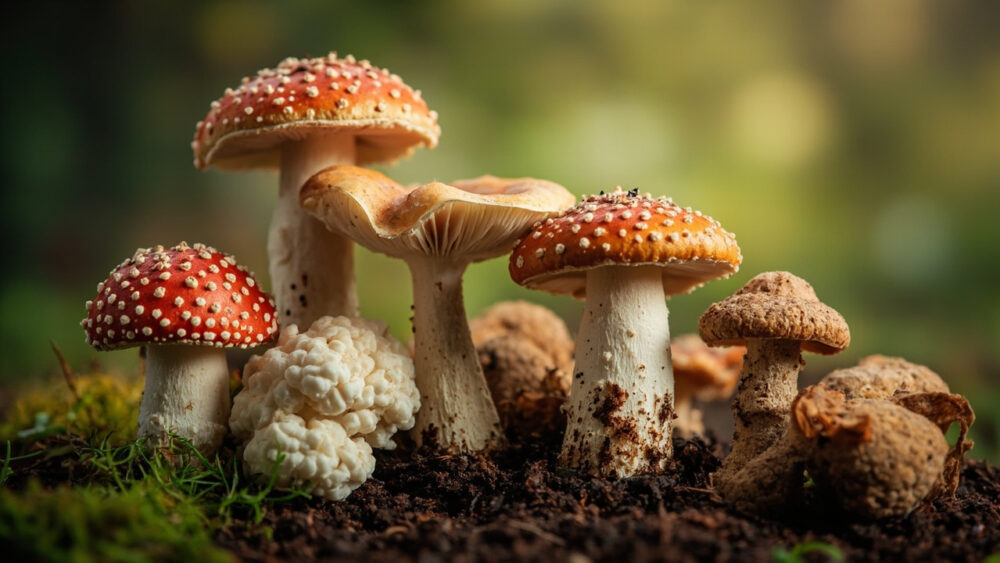
The fastest way to sort mushroom types is by what you actually want from them: a pan of something you bought to cook tonight, a log or grow kit you’re tending in the basement, or a strange cap that popped up in your mulch that you have no business eating. Those are three completely different lists, and mixing them up is how people get into trouble. This roundup covers all three, and the keyword you searched, types of mushrooms, really splits into culinary varieties you can grow or buy, and wild ones you should only ever admire.
A few loops worth opening before you scroll. There’s a supermarket favorite that people pick almost entirely out of habit, when a nearly identical relative tastes considerably better. There’s a home-grow variety that experienced kitchen gardeners quietly prefer over the trendy ones because it forgives mistakes. And number 13 on this list is the one most people misidentify constantly, confusing a genuinely dangerous look with a harmless one, or vice versa.
Stick with me through all four categories. The last few entries and a short, honest method for choosing the right mushroom for your kitchen or your growing space are waiting at the bottom.
A plain safety note up front: nothing in this article is identification guidance for foraging. Many edible mushrooms have toxic lookalikes that only an expert forager or mycologist can reliably tell apart. If a pet or person eats a wild mushroom and you’re not certain what it is, call a veterinarian or poison control immediately rather than waiting to see what happens.
Common Grocery Store Mushrooms
These are the ones you’ve almost certainly cooked with, and they’re worth knowing apart because they are not interchangeable.
1. White Button Mushrooms
The default choice, and honestly the mildest of the bunch. Pale, round-capped, and sold everywhere, they have a soft texture and watery flavor that mostly takes on whatever you cook them with, which makes them a safe pick for kids or bland dishes but a letdown if you want real mushroom flavor.
2. Cremini Mushrooms
The same species as the button mushroom, just allowed to grow a bit longer, and it shows in the flavor. Cremini are firmer and noticeably earthier, brown-capped instead of white, and they hold their shape much better in a saute or braise.
3. Portobello Mushrooms
The fully mature version of that same cremini, grown out until the cap spans three to six inches across. Meaty enough to grill whole as a burger substitute, with a dense, almost steak-like chew once cooked, portobellos are the pick when you want substance rather than a garnish.
4. Shiitake Mushrooms
Recognizable by the deep brown, slightly curled cap and a smoky, savory depth that button and cremini simply don’t have. Fresh shiitakes are good, but dried ones develop an even stronger umami flavor and are what most home cooks reach for to build a broth.
If you’ve been defaulting to button mushrooms out of habit, cremini gives you real flavor for barely more effort or cost, and that’s the upgrade most people never bother to make.
Specialty Culinary Mushrooms Worth Seeking Out
Once you’re past the grocery basics, these are the varieties that turn up at farmers markets or specialty grocers and reward the extra few dollars.
5. Oyster Mushrooms
Fan-shaped clusters that grow in overlapping shelves, ranging from pearly white to gray to a striking blue depending on the strain. They’re delicate, slightly sweet, and cook down fast, so add them near the end of a saute rather than at the start.
6. Maitake (Hen of the Woods)
A ruffled, feathery cluster that looks almost like a bundle of gray-brown leaves rather than a typical mushroom. Maitake has a rich, almost peppery flavor and crisps up beautifully when roasted at high heat, which is the best way to cook it.
7. Lion’s Mane
Unmistakable once you’ve seen one: a white, shaggy globe covered in dangling spines instead of gills. Cooked, it has a texture people genuinely compare to crab or lobster, and it’s become the specialty variety experienced home cooks quietly prefer over trendier options because a single fresh chunk goes a long way.
8. Enoki Mushrooms
Long, thin, snow-white stems topped with tiny caps, usually sold still clustered at the base. They stay crisp with a mild, almost fruity flavor, which is why they show up raw in salads and hot pot far more often than they’re cooked into a saute.
9. King Trumpet (King Oyster) Mushrooms
Thick, pale stems with a small cap on top, and by far the meatiest texture of any mushroom on this list. Sliced into rounds and seared, they develop a scallop-like chew, which makes them the best choice if you’re trying to replace seafood or meat in a dish.
Those five are the specialty picks worth the splurge, but the next category is for anyone who wants to grow their own instead of buying.
Mushrooms for Growing at Home
Home mushroom growing has genuinely gotten easier thanks to inoculated grow kits and prepared logs, but the varieties still differ a lot in patience required.
10. Shiitake Logs
Grown by inoculating a hardwood log, usually oak, with shiitake spawn plugs. This is the slow route: logs typically take six months to over a year before the first flush, and they’ll keep fruiting in flushes for several years afterward if kept shaded and consistently moist.
11. Oyster Mushroom Grow Kits
The single most forgiving mushroom to grow indoors, and the one I hand beginners every time. Kits fruit in as little as one to two weeks after you cut the bag open, tolerate a fairly wide range of household temperatures, and produce a genuinely satisfying first harvest even for someone who has never grown anything before.
12. Wine Cap Mushrooms (Garden Giant)
Grown outdoors in wood chip beds rather than indoors, wine caps are the underrated pick for anyone who already gardens. Inoculated wood chip spawn spread in a shaded bed can fruit within a couple months in warm weather and then return unpredictably for a few seasons, doubling as a slow-release soil improver under trees or along a garden edge.
Growing your own narrows the choice fast, but the next three entries are exactly where mushroom identification gets genuinely dangerous.
Wild Mushrooms You Should Know to Avoid Picking Yourself
This category is not a foraging guide. It exists so you can recognize why certain wild mushrooms deserve caution, not so you can eat what you find.
13. Death Cap
This is the one most people get completely wrong, because it looks unremarkable rather than obviously dangerous. Pale to olive-green capped, it closely resembles several edible species and several other harmless ones, and it’s responsible for the majority of serious mushroom poisonings worldwide. There is no home test or cooking method that makes it safe, and any suspected ingestion by a person or pet needs immediate medical or veterinary attention, not a wait-and-see approach.
14. Fly Agaric
The classic red cap covered in white spots that shows up in every fairy tale illustration. It’s toxic and can cause serious symptoms including hallucinations, vomiting, and disorientation, and its familiar look doesn’t make it any safer to handle carelessly around curious pets or kids.
15. False Morel
Frequently confused with true morels by inexperienced foragers, since both have a wrinkled, brain-like cap. True morels are genuinely prized edibles, but false morels contain a toxin that can cause serious illness and are only made marginally safer through specific preparation methods that experts use deliberately, never something to guess at yourself.
That’s the full list, and if you take one thing from this last category, it’s that a photo and a hunch are never enough to call a wild mushroom safe.
How to Choose the Right One
- Decide what you actually want: cooking ingredient, home-grown project, or garden soil builder, since that alone eliminates most of the list.
- Check your space: a countertop or closet suits an oyster grow kit, a shaded yard corner suits wine caps or shiitake logs.
- Match your patience: oyster kits fruit in one to two weeks, shiitake logs take six months to a year before the first flush.
- Cook toward the texture you want: king trumpet and portobello for meaty substitutes, lion’s mane for a seafood-like texture, enoki and oyster for delicate dishes.
- Never substitute a grocery or grow-kit list for wild identification: if you find something in the yard or woods, admire it, photograph it, and leave it alone unless an expert has confirmed what it is.
Pick based on what you’re actually trying to do this week, not what looked interesting in a photo.
Whatever you choose, the mushroom that gets used is always better than the impressive one sitting forgotten in the fridge drawer.