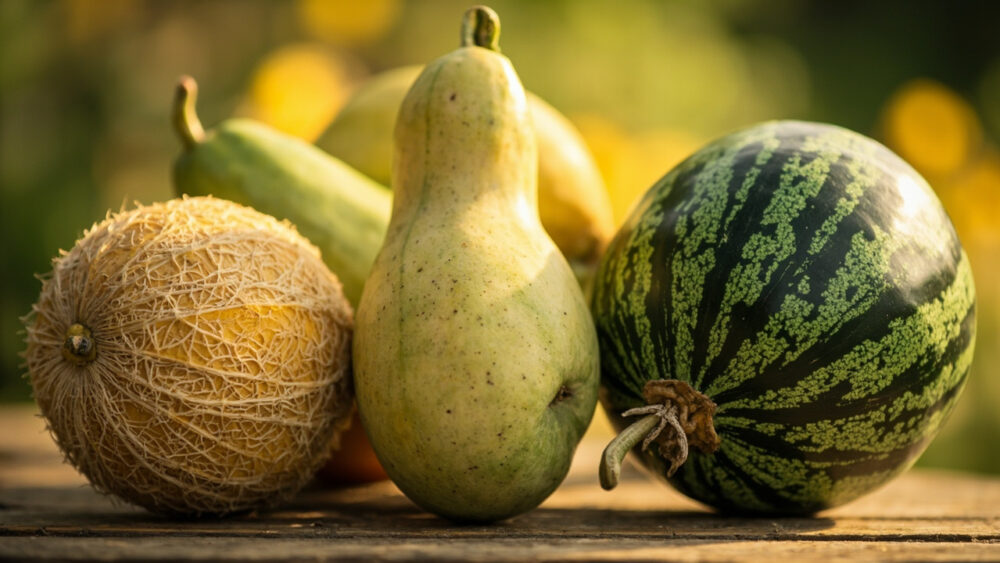
The fastest way to sort out types of melons is by flesh and rind together: netted tan skin with orange flesh means a true muskmelon, smooth or waxy skin with green or white flesh usually means the honeydew side of the family, and dark ribbed rind almost always means watermelon. Get that one distinction down and you can walk into a seed catalog or a garden center and know within seconds which section you are standing in.
Most people default to cantaloupe because it is the only melon they can name, which is a shame, because half the melons on this list have better flavor and fewer disease problems in a humid backyard. There is also a sign on the vine that almost everyone misreads when trying to judge ripeness, and it is not the one you think.
Stick around for number 13, which is the melon most gardeners plant expecting a snack-sized fruit and get a 25-pound monster instead. The last few entries and the actual step-by-step way to pick your melon for your yard, not someone else’s, are waiting at the bottom.
Classic Muskmelons and Cantaloupes
These are the netted, orange-fleshed melons everyone pictures first, and the differences between them are mostly about size and sweetness, not looks.
1. North American Cantaloupe
Coarse tan netting over a round, 4 to 6 pound fruit is the giveaway here. This is the grocery store standard, reliable in most home gardens, ready 75 to 85 days from seed, and it slips cleanly off the vine at full ripeness instead of needing to be cut.
2. Charentais
A smooth, pale gray-green rind with almost no netting sets this French heirloom apart at a glance. It stays small, usually under 2 pounds, but the orange flesh is intensely sweet and perfumed, which is why serious home growers plant it even though the fruit does not ship or store well.
3. Galia
Netted skin that ripens from green to gold is the tell, and cutting one open reveals pale green, honeydew-style flesh instead of orange. It is a cross between cantaloupe and honeydew types, needs a long warm season to hit peak sweetness, and rewards gardeners in hot climates more than cool ones.
4. Ha’ Ogen
Deep ribbed grooves running from stem to blossom end distinguish this Israeli cantaloupe from smoother types. The flesh is pale green and extremely sweet, the vines are compact enough for smaller gardens, and it is one of the few melons that genuinely tastes better homegrown than store-bought.
If orange flesh and netted skin covered your whole idea of melons, the next category is where things change completely.
Honeydew and Smooth-Skinned Types
Waxy, smooth rinds and pale flesh define this group, and they generally need a longer, hotter stretch of season than cantaloupes to fully sweeten.
5. Green Honeydew
A smooth, ivory to pale green rind with no netting at all is the identifier. This is the honeydew everyone knows, needs 80 to 100 warm days to mature, and unlike cantaloupe it does not slip off the vine, so you have to judge ripeness by rind color turning from waxy green to a soft creamy yellow.
6. Orange-Fleshed Honeydew
The same smooth pale rind as green honeydew hides a surprise inside, apricot-colored flesh with a denser, almost tropical sweetness. Growers who want honeydew’s smooth skin but cantaloupe’s richer flavor plant this one, and it holds up slightly better in storage than the green type.
7. Santa Claus Melon (Christmas Melon)
A mottled green and yellow rind shaped like a small football makes this one easy to pick out in a garden bed. It is a long-season melon, often 90 to 100 days, valued for the fact that it keeps for weeks after harvest, longer than almost any other melon on this list.
The next group looks nothing like a melon at all until you cut one open.
Watermelons, Grouped by Size
Rind pattern narrows watermelons down fast, but size is really what should drive your choice, since a 30-pound melon and a 3-pound melon need completely different amounts of space.
8. Icebox Watermelon (Sugar Baby type)
A dark, almost black-green rind on a fruit the size of a soccer ball is the icebox signature. These stay compact enough for small gardens or even large containers, mature in about 75 to 80 days, and are the right choice if you have limited vine space and still want real watermelon flavor.
9. Classic Striped Watermelon
Wide, light and dark green stripes on an oval fruit reaching 15 to 25 pounds mark the traditional picnic watermelon. Vines sprawl 10 to 15 feet, need a full 80 to 90 days of warm weather, and this is the type most people picture when they hear the word watermelon.
10. Yellow-Fleshed Watermelon
Rind that looks identical to a striped green watermelon is the trick with this one, the surprise is entirely inside. The flesh runs pale yellow to gold, tends to be slightly sweeter and less watery than red types, and it grows exactly like a standard watermelon in every other respect.
11. Seedless Watermelon
Requires a second, seeded pollinator variety planted nearby, which is the detail most first-time growers miss entirely. Without that pollinator vine within a row or two, seedless varieties will not set fruit properly, so this is genuinely a two-plant commitment, not a one-packet purchase.
That pollinator requirement trips up more gardeners than any pest or disease on this list, and the next category has its own quiet misunderstanding.
Specialty and Heirloom Melons
These are the melons experienced gardeners plant once they get bored of cantaloupe, chosen for texture, novelty, or a flavor you cannot buy in a store.
12. Casaba Melon
A deeply wrinkled, pumpkin-like rind with no netting or stripes makes casaba unmistakable in the garden. The white flesh is mild and only lightly sweet, the fruit stores longer than almost any other melon, and it needs a full, hot 90 to 100 day season to develop properly.
13. Winter Melon (Wax Gourd)
A fuzzy green rind that matures into a waxy, frost-white coating is the giveaway, and this is the melon most gardeners badly underestimate at planting time. It is grown more like a squash than a dessert melon, vines sprawl aggressively, and fruits routinely reach 15 to 40 pounds, far bigger than the tidy snack melon most people expect when they drop the seed in the ground.
14. Armenian Cucumber (Snake Melon)
A long, ribbed, pale green fruit that looks like an overgrown cucumber is actually a type of melon botanically, harvested young and eaten fresh rather than sweet. It grows fast, 60 to 70 days, and suits gardeners who want something unusual and low-maintenance rather than a classic dessert melon.
15. Korean Melon (Chamoe)
A small, oblong fruit with pale yellow skin and faint white stripes sets this one apart, and the flesh is crisp, mildly sweet, and closer in texture to a cucumber than a cantaloupe. It matures quickly, around 70 to 80 days, and works well in shorter growing seasons where longer-season melons never get the heat they need.
Fifteen melons in, the real question is which one actually fits your yard, your climate, and how much attention you are willing to give it.
How to Choose the Right One
- Measure your space first: icebox watermelons and compact cantaloupes suit small beds or containers, while classic watermelons and winter melon need 10 to 15 feet of sprawling room.
- Match the melon to your season length: shorter, cooler seasons favor Korean melon, icebox watermelon, or Armenian cucumber, while casaba, santa claus melon, and classic watermelon need a long, hot 90 plus day stretch.
- Decide what you actually want from the fruit: snack-sized and sweet points toward Charentais or Ha’ Ogen, storage and keeping quality points toward casaba or santa claus melon, novelty points toward winter melon or snake melon.
- Check the pollination requirement before buying seed: seedless watermelon needs a seeded pollinator variety planted nearby or it will not fruit.
- Be honest about your care appetite: netted muskmelons and honeydews need consistent water and warmth to sweeten properly, while winter melon and Armenian cucumber tolerate more neglect.
- Confirm your soil warms enough: melon seed germinates poorly below 65 F soil temperature, so wait until a few weeks past your last frost before direct seeding or transplanting.
Pick the melon that fits the space and season you actually have, not the one on the seed rack with the prettiest photo.
Do that, and even a first attempt at melons usually turns out sweeter than a store-bought one ever will.