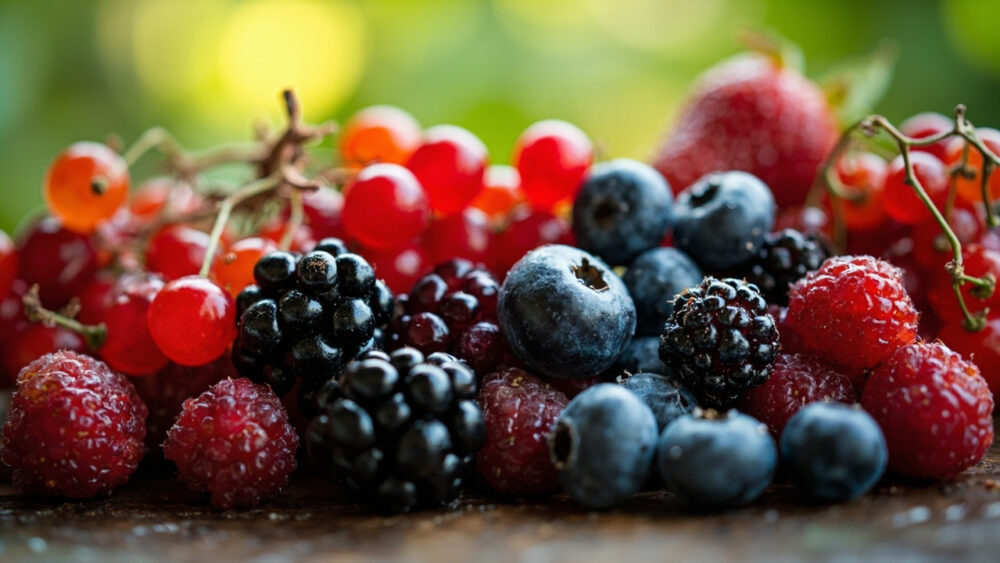
The fastest way to sort out the different types of berries is by growth habit, not flavor: canes (raspberries, blackberries), bushes (blueberries, currants, gooseberries), and low spreaders or vines (strawberries, cranberries) each want different space, pruning, and patience. Figure out which habit fits your yard and you have already narrowed fifteen options down to three or four.
Most people pick raspberries first because they remember the taste from childhood, then get blindsided by how aggressively the canes spread and how much yearly pruning they demand. Meanwhile the berry experienced gardeners quietly love, the one nobody asks about, barely gets mentioned below.
Number 13 on this list is the one most people get completely wrong, they plant it in full shade thinking it is a woodland plant and then wonder why it never fruits. The last few entries here, plus the simple method for choosing between all fifteen, are waiting at the bottom, so keep scrolling before you commit to anything at the nursery.
Cane Berries
These grow on woody canes that need a trellis or fence and yearly pruning, but they reward you with the biggest harvests per square foot.
1. Summer-Bearing Raspberries
One big crop in early to mid summer on canes that grew the previous year is the defining trait here. They spread by underground runners fast enough to need a dedicated bed or root barrier, do best in zones 3 through 8, and want full sun with soil that drains well; plant them and you are committing to yearly cane management, not a one-and-done shrub.
2. Everbearing (Fall) Raspberries
Two harvests instead of one sets these apart, a smaller summer crop on old canes plus a bigger fall crop on new growth. Gardeners who want less pruning cut the whole planting to the ground each late winter and take only the fall crop, which is simpler and still generous.
3. Blackberries
Bigger, glossier fruit and much longer canes than raspberries, some varieties throwing arching canes 6 to 8 feet long that genuinely need a sturdy trellis. Thornless cultivars exist and are worth seeking out; they are hardy through zone 5 or 6 depending on variety and ripen through mid to late summer with a flavor that leans more wine-dark than sweet.
4. Boysenberries and Tayberries
Blackberry-raspberry crosses with a softer, juicier berry that rarely survives shipping, which is exactly why you never see them in stores and why growing your own is the only real way to taste one properly. They want the same trellis and pruning routine as blackberries, do best in zones 6 through 9, and the fruit is too delicate for casual handling, so plan to eat or preserve it within a day or two of picking.
Canes are the highest-effort, highest-reward category, and the bush berries coming next ask a lot less of you.
Bush Berries
These are woody shrubs you plant once and prune lightly for years, better suited to gardeners who want fruit without an annual construction project.
5. Blueberries
Acidic soil is non-negotiable here, blueberries need a pH around 4.5 to 5.5 and will sulk and yellow in ordinary garden soil no matter how much you water or feed them. Highbush types hit 4 to 6 feet and suit zones 4 through 7, lowbush types stay under 2 feet and handle colder zones down to 3. Either way, plant at least two varieties for better pollination and bigger berries.
6. Black Currants
An intense, almost musky flavor too sharp for most people to eat fresh off the bush, which is exactly why currants go into jam, syrup, and liqueur instead of fruit bowls. The shrubs are compact, tolerate partial shade better than almost any other berry on this list, and are hardy to zone 3, though some states restrict planting them because they can host a pine disease, so check local rules before you order.
7. Red and White Currants
Milder and more tart-sweet than black currants, these hang in translucent clusters that look almost ornamental on the branch. They tolerate the same partial shade and cold as black currants, stay small enough for a border planting, and are the currant most people actually enjoy eating straight from the bush.
8. Gooseberries
Thorny branches and a tart, almost grape-like berry define gooseberries, and that tartness means most varieties are cooked into pies and preserves rather than snacked on raw. They handle partial shade and cold to zone 3, but the thorns make picking slow work, so factor that into how much you actually plant.
9. Elderberries
Big, fast-growing shrubsoften reaching 8 to 12 feet, that produce heavy clusters of small dark berries by late summer. The raw berries, along with the bark, leaves, and unripe fruit, are mildly toxic and cause stomach upset, so they are always cooked before eating and never fed raw to pets or kids. If a pet eats a large amount of raw elderberry, call your veterinarian rather than waiting to see what happens.
Bush berries mostly want acidic or well-drained soil and a light annual prune, which is a fair trade for years of fruit from one planting.
Low Growers and Groundcovers
These spread along the ground instead of standing upright, which makes them the easiest category to tuck into small spaces or containers.
10. Strawberries
The fastest payoff of any berry on this listoften fruiting the same year you plant, and the one most beginners start with. June-bearing types give one big harvest, everbearing and day-neutral types trickle out fruit all season. They spread by runners, tolerate containers well, and are hardy through zone 3 with light winter mulch.
11. Alpine Strawberries
Tiny, intensely flavored fruit that never sends out runners, which makes alpine strawberries the better choice for a tidy border or container instead of a spreading bed. They fruit lightly but steadily all summer rather than dumping one big harvest, and shade tolerance is better than regular strawberries, though the total yield per plant is small.
12. Cranberries
A true bog plantcranberries need consistently acidic, wet soil that most yards simply do not have without real modification, which is why so few home gardeners grow them successfully outside a dedicated raised bog bed. Where the conditions are right they form a low evergreen mat, hardy to zone 2, harvested in fall when the berries turn deep red and bounce.
13. Lingonberries
A shade-tolerant evergreen groundcover that people constantly plant in full shade and then wonder why it barely fruits. Lingonberries actually want at least a half day of real sun to set a decent crop. They stay under a foot tall, handle cold to zone 2 or 3, and give two harvests a year in the right climate, tart enough that most people cook them into sauce rather than eating them raw.
The groundcovers ask for very specific soil, but get that right and they need almost no ongoing care, which brings us to the two berries most people never think to grow at all.
The Overlooked Ones
These rarely show up at garden centers, which is exactly why the gardeners who grow them tend to be quietly loyal to them.
14. Honeyberries (Haskap)
Ripens before strawberries even startoften the earliest fruit of the season, with an elongated blue berry that tastes like a cross between blueberry and raspberry. The shrubs are compact, extremely cold hardy to zone 2, and need two different varieties planted together for pollination, so a single bush alone will disappoint you.
15. Serviceberries (Saskatoon)
A small tree or large shrub that doubles as landscaping, with white spring flowers, blue-purple berries by early summer, and good fall color, which makes it the berry to plant if you only have room for one multi-purpose plant. It is genuinely low-maintenance, hardy to zone 2, and the mild, almost almond-tinged berry works in anything from muffins to jam.
That covers all fifteen, and now the part that actually tells you which ones belong in your yard.
How to Choose the Right One
- Measure your space first: canes need a trellis and room to spread, bushes need a fixed footprint you commit to for years, groundcovers and strawberries work in containers or small beds.
- Check your zone and soil before falling for a flavor: blueberries, cranberries, and lingonberries fail fast in ordinary neutral soil no matter how well you water them.
- Decide what you actually want the fruit for: fresh eating favors strawberries, alpine strawberries, and honeyberries, while jam and baking favor currants, gooseberries, and elderberries.
- Be honest about your pruning appetite: canes demand yearly cutting back, bushes want a light annual prune, groundcovers mostly take care of themselves.
- Plant for pollination, not just one bush: honeyberries and most blueberries need a second variety nearby to fruit well.
- Start with one category, not five: get a bush and a groundcover established before you add cane berries, which are the steepest learning curve of the bunch.
Pick based on your soil and your patience, not the prettiest photo on the plant tag.
Get those two things right and every berry on this list is genuinely growable, even in a modest backyard.