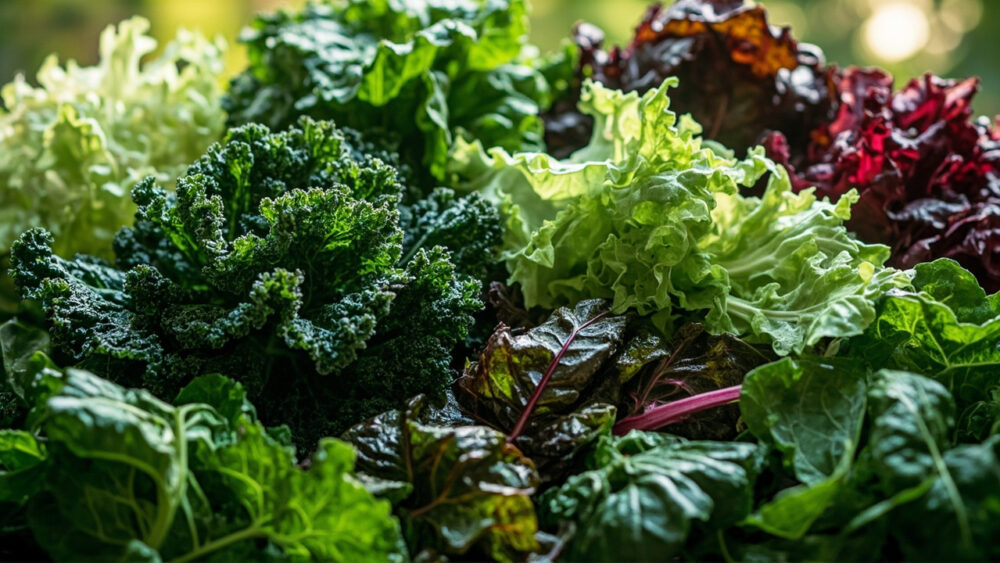
The fastest way to sort out types of leafy greens is by how they handle heat: cool-season greens like spinach and arugula bolt and turn bitter the moment summer arrives, while heat-tolerant greens like chard and collards shrug off July and just keep producing. Get that one distinction right and half your planning problems disappear.
Most beginners grab romaine because it is familiar, then wonder why it turns bitter and split-stalked the first hot week. Meanwhile plenty of experienced gardeners quietly grow more mustard greens and mizuna than lettuce, because they germinate faster, resist pests better, and taste like something instead of crunchy water.
Below are 15 greens sorted into groups that actually matter for planning a bed: lettuces, cooking greens, mustard-family greens, and the chicories and lesser-known leaves most people never try. Number 13 is the one most gardeners get completely wrong, usually by harvesting it at the worst possible stage. The full lineup, plus the quick method for picking the right greens for your yard, is at the bottom.
Lettuces: The Tender, Fast-Bolting Group
These are your salad-bowl greens, best in spring and fall, and the first to quit once nights stay above 70°F.
1. Romaine (Cos) Lettuce
Upright, tightly folded heads with a rib down the center of each leaf are the tell. Romaine holds up well to heat compared to other lettuces but still bolts fast once temperatures climb, and it wants rich, moisture-retentive soil to stay crisp rather than fibrous.
2. Butterhead Lettuce
Loose, cupped rosettes with a buttery, soft texture set this apart from crisper types. It is one of the easiest lettuces for beginners, tolerates partial shade better than most, and matures in as little as 55 to 65 days.
3. Looseleaf Lettuce (Black-Seeded Simpson, Salad Bowl types)
Ruffled, non-heading leaves you can pick a few at a time make this the best cut-and-come-again choice. It is the fastest lettuce to bolt in heat, so treat it as a spring and fall crop unless you are in a cool climate.
4. Oakleaf Lettuce
Lobed leaves shaped like an oak leaf give it away instantly in a mixed bed. It handles heat noticeably better than most lettuces and holds its texture longer after harvest, making it a good choice for gardeners who cannot pick daily.
Lettuces are the delicate end of the spectrum, and the next group is the opposite: greens that get better, not worse, once you actually cook them.
Cooking Greens: Built for Heat and the Skillet
These greens tolerate more sun, more stress, and more neglect than lettuce, and most improve with a light frost.
5. Spinach
Smooth or savoyed (crinkled) dark green leaves in a low rosette. Spinach is a true cool-season crop, bolting almost immediately once soil warms past the mid 70s, so plant it in early spring or in fall for a much longer harvest window.
6. Swiss Chard
Thick, glossy ribs in white, red, or gold running up through crinkled leaves make chard unmistakable. It tolerates heat, mild frost, and poor soil better than almost any leafy green, and a single planting can keep producing for months if you harvest outer leaves only.
7. Collard Greens
Large, paddle-shaped, waxy blue-green leaves on a thick central stalk. Collards handle heat and light frost equally well, actually taste sweeter after a cold snap, and are one of the most forgiving greens for beginner gardeners in southern climates.
8. Kale (Curly, Lacinato, Red Russian types)
Deeply ruffled (curly) or long and blistered (Lacinato, also called dinosaur kale) leaves separate the main types at a glance. Kale tolerates hard frost better than nearly any other green on this list and gets sweeter after temperatures dip into the 20s.
Cooking greens forgive a lot of mistakes, but the next family forgives almost nothing when it comes to timing.
Mustard-Family Greens: Fast, Peppery, Easy to Overgrow
This group grows fast, bolts fast, and gets hotter in flavor the longer you wait to pick it.
9. Arugula
Small, deeply notched leaves with a peppery bite that intensifies with heat and age. Arugula is ready in as little as 21 to 30 days, making it one of the fastest greens you can grow, but it bolts almost immediately in hot weather.
10. Mustard Greens
Broad, sometimes ruffled leaves with a sharp, horseradish-like heat when eaten raw, mellowing considerably when cooked. Mustard germinates in days, tolerates poor soil, and is one of the most pest-resistant greens you can plant.
11. Mizuna
Feathery, deeply serrated leaves on slender white stems give this Japanese mustard relative a lacy look in the garden. It is milder than most mustards, grows quickly in cool weather, and works well as a cut-and-come-again crop in tight spaces.
12. Tatsoi
Small, glossy, spoon-shaped leaves arranged in a tight rosette make tatsoi one of the prettiest greens in this list. It is remarkably cold-hardy, holds up under snow cover in many climates, and has a mild flavor closer to spinach than to mustard.
Those four move fast, but the next group asks for patience most gardeners do not expect a leafy green to need.
Chicories and Underrated Greens
These are the greens experienced gardeners grow once they get tired of lettuce, and they reward a little extra attention.
13. Radicchio
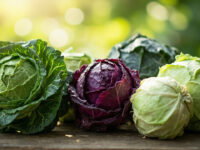
Tight, cabbage-like heads that start out green and only develop their signature deep red color as nights cool are where most people get it wrong. Gardeners often pull it too early expecting red leaves from day one, when radicchio actually needs a cold snap, sometimes even a hard frost, to sweeten and color up properly. Given time, it forms a dense, slightly bitter head that mellows considerably after cold exposure.
14. Endive (Curly Endive and Escarole)
Frilly, frizzled outer leaves (curly endive) or broader, smoother leaves (escarole) distinguish the two forms. Both are bitter raw but mellow with cooking or light blanching, and both tolerate cool fall weather better than summer heat.
15. Malabar Spinach
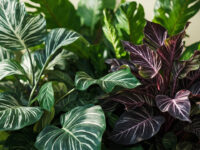
Thick, glossy, heart-shaped leaves on a vigorous climbing vine make this the outlier on the list, and not a true spinach at all. It thrives in heat and humidity that would kill real spinach outright, needs a trellis, and is one of the only leafy greens that actually prefers summer.
How to Choose the Right One
Run through these in order and you will land on the right green faster than by browsing seed racks.
- Check your space: pick loose-leaf types (lettuce, mizuna, arugula) for containers and tight beds, sprawling types (chard, collards, Malabar spinach) for open ground.
- Match your climate: cool-season greens (spinach, lettuce, arugula) for spring and fall, heat-tolerant greens (chard, collards, Malabar spinach) for summer, cold-hardy greens (kale, tatsoi, radicchio) for late fall into winter.
- Decide your purpose: fast salads point to lettuce or mizuna, cooking greens point to collards, chard, or kale, and bitter-flavor cooking points to radicchio or endive.
- Be honest about your care appetite: mustard greens, chard, and collards tolerate neglect, while lettuce and spinach want consistent moisture and cooler soil to avoid bitterness.
- Test your soil before planting: greens want soil that is moist an inch or two down and not compacted, since shallow roots suffer fastest in dry, hard ground.
- Stagger your planting: sow small batches every 2 to 3 weeks rather than one big planting, so you are not stuck with 40 heads of lettuce bolting at once.
Pick based on your season and your appetite for maintenance, not on what looks best in the seed catalog photo.
Most gardens end up needing at least one green from three of these four groups to fill the whole year.