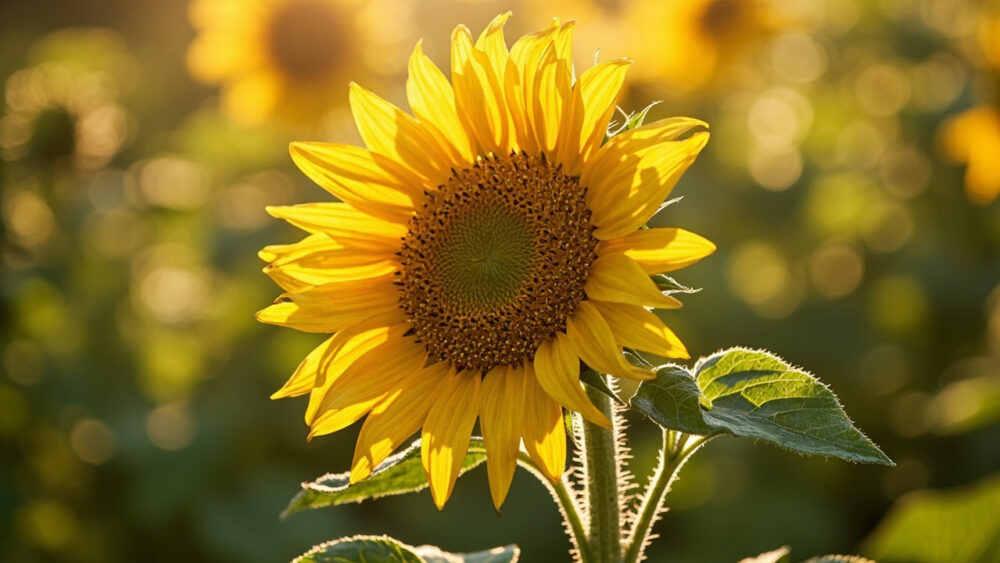
Most sunflowers bloom 8 to 12 weeks after planting, which lands most gardeners somewhere between mid summer and early fall depending on when the seed went in the ground. A single flower head typically stays fresh and showy for 1 to 3 weeks, though branching types will keep producing new blooms for a month or more. That is the short version of when do sunflowers bloom, but the real answer depends on your variety, your planting date, and one mistake that quietly delays or kills the bloom entirely.
There is also a sizing trick almost nobody checks before they get frustrated waiting on flowers. If your sunflower is tall and leafy but showing no bud, the cause is usually not what people assume.
Stick around for the part on getting more blooms out of one plant, because that answer surprises most first-time growers. And at the bottom, save the quick-reference card so you are not guessing at this again next season.
The Bloom Window and How Long It Actually Lasts
Days to maturity is the number that matters most, and it is printed on every seed packet for a reason. Dwarf and early varieties can flower in as few as 55 to 65 days. Giant single-stem types often need 90 to 100 days or longer before you see color.
Once a head opens, expect it to look its best for roughly 1 to 3 weeks before the petals fade and droop. Branching varieties cheat the calendar by opening flowers in waves, so the plant itself can stay in bloom for 4 to 8 weeks even though no single flower lasts that long.
Knowing your variety’s maturity window tells you what to expect, but plenty of outside factors can push that window earlier or later.
What Actually Controls Bloom Timing
Sunflowers are day-length sensitive, meaning they track shortening daylight as summer rolls toward fall and use that as one of the triggers to shift from growing leaves to setting a bud. Planting date matters just as much. Seed started right after your last frost in soil that has warmed to at least 60-65°F will bloom earlier in the season than seed started a month later.
Temperature stress changes things too. A stretch of extreme heat or a cool, wet spring can slow growth and shift bloom later than the seed packet promises, and that is normal, not a sign of a failing plant.
Soil and sun matter less for timing than you’d think and more for size and flower count, which brings up the part everyone actually wants to know.
How to Get More Blooms, or Blooms That Last Longer
If you want a bigger show rather than one giant flower, plant a branching variety instead of a single-stem giant. Branching types are bred to throw out multiple side shoots, each with its own flower, which multiplies your bloom count from one plant.
Full sun is non-negotiable here. Sunflowers want 6 to 8 hours of direct sun minimum, and anything less produces a taller, leggier plant with fewer or smaller flowers.
Stagger your planting dates every 2 to 3 weeks through early summer if you want a continuous run of fresh blooms rather than one big flush that fades all at once. This is the trick most gardeners never try, and it is the single easiest way to stretch “sunflower season” in your own yard from a few weeks into a few months.
Even moisture helps too. Sunflowers tolerate drought once established, but consistent watering during bud formation produces larger, longer-lasting flowers than a plant left to stress.
None of that helps if your plant refuses to bud at all, so let’s cover that.
Why Your Sunflower Isn’t Blooming Yet
If you assumed a tall, healthy-looking plant with no flower just needs more time, that is sometimes true, but it is not the most common cause. Too much nitrogen is the real culprit more often than people expect.
Rich soil or heavy fertilizer pushes leafy, vegetative growth at the expense of flowering, so a plant can look lush and vigorous while producing no bud for weeks past when it should have one.
Overcrowding causes the same problem. Sunflowers planted too close together compete for light and nutrients, and the ones that lose that competition often stay stunted and budless.
Insufficient sun is the other major cause. A plant getting less than 6 hours of direct light will delay flowering significantly, sometimes for weeks, sometimes indefinitely if the shade is severe.
The fix for most of these cases is patience plus better placement next time, not more feeding.
Deadheading and Aftercare That Extends the Show
Deadhead spent single blooms on branching varieties by cutting the flower stem back to the nearest side shoot. This redirects the plant’s energy into the remaining buds instead of wasting it on seed production from a flower that is already done.
For single-stem giants, there is no branching structure to redirect toward, so deadheading will not produce new flowers. The plant gives you one shot, and once it fades, that plant’s bloom season is over.
If you want seed heads for birds or harvest, skip deadheading on your last flush and let those heads mature and dry on the stalk instead.
Consistent watering and an occasional light feeding with a low-nitrogen fertilizer during bloom will keep flowers larger and fresher for longer, without triggering the leafy overgrowth that delays flowering in the first place.
That covers the whole bloom cycle, so here is everything worth saving in one place.
Sunflowers: Quick Reference
- Bloom window: typically 8 to 12 weeks after planting, varying by variety and planting date.
- Bloom duration: single flowers last 1 to 3 weeks, branching types keep blooming for 4 to 8 weeks total.
- Fastest varieties: dwarf and early types can flower in 55 to 65 days.
- Slowest varieties: giant single-stem types often need 90 to 100 plus days.
- Sun requirement: 6 to 8 hours of direct sun minimum for good flowering.
- Main causes of no bloom: excess nitrogen, overcrowding, or insufficient sun.
- To extend the season: stagger plantings every 2 to 3 weeks and choose branching varieties.
Plant with your variety’s maturity date in mind, give it full sun, and go easy on the fertilizer.
Get those three right and the bloom timing mostly takes care of itself.