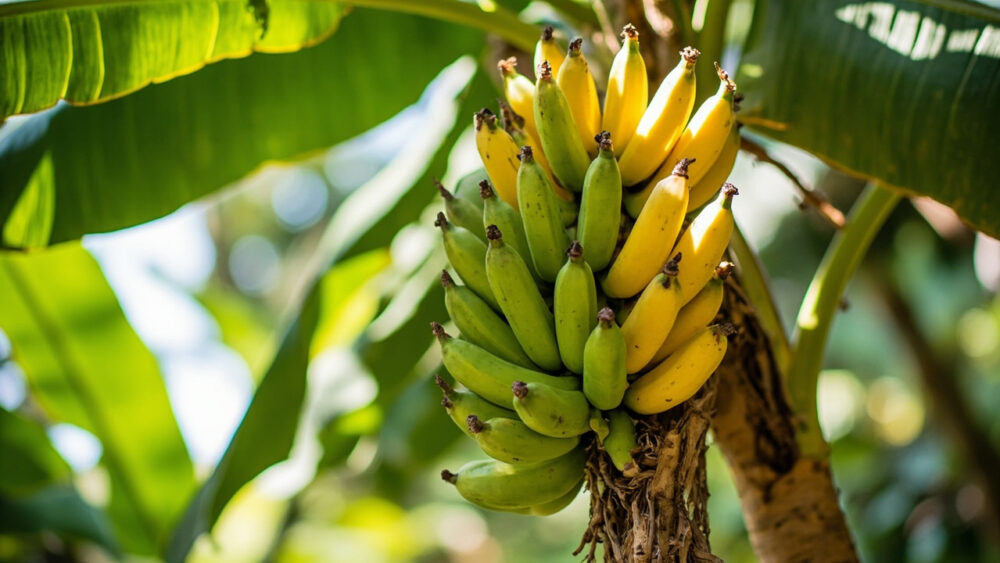
From a planted sucker or potted plant to your first harvest, figure 9 to 15 months in genuinely warm conditions, and 18 to 24 months or longer almost everywhere else. That is how long does it take to grow bananas when you are starting with a decent-sized plant, not a seed. Once the flower stalk emerges and the fruit actually sets, the bananas themselves take another 3 to 4 months to fill out and ripen.
But that range hides a lot. A banana plant in south Florida or Hawaii can fruit in under a year. The same variety in a pot in Ohio, dragged indoors every winter, might take three years and never fruit at all if you are not careful about how you handle the cold months.
Stick around for the section at the bottom. It is a quick-reference card you can save, with the honest timeline broken down by stage plus the handful of facts that change everything for readers in cooler climates.
The Realistic Timeline, Start to Finish
Here is the honest breakdown. Sucker or small plant to trunk maturity: 6 to 10 months of steady growth in warm weather. Trunk maturity to flower emergence: the plant needs to put out somewhere around 30 to 40 leaves before it is ready to flower, which takes another few months. Flower to harvestable fruit: 3 to 4 months after the flower stalk (the “bell”) emerges and the fruit fingers form.
Add it up and you get 9 to 15 months under good conditions, closer to 12 to 18 months for most home growers who are not in a tropical climate.
If you started from seed instead of a sucker or nursery plant, throw that whole timeline out.
Seed-grown bananas take considerably longer to establish, and most commonly grown edible varieties are seedless anyway, so this almost never applies to what you bought at a nursery.
The variety you planted changes this math more than almost anything else.
What Actually Controls the Speed
Temperature is the biggest lever. Bananas want consistent warmth, ideally daytime temps in the 80s F with nights that do not drop much below 60 F. Growth slows dramatically below 60 F and stops cold (literally) below 50 F. A plant that sits in the 50s for months of the year is not on the same clock as one in the tropics.
Variety matters too. Dwarf Cavendish and other dwarf types fruit faster and tolerate pot culture better than full-size varieties like Gros Michel or many plantains, which can take noticeably longer to reach flowering size.
Light and water matter almost as much as heat. Bananas are heavy feeders and heavy drinkers. A plant that is underwatered or stuck in partial shade will limp along, adding leaves slowly instead of the fast, wide leaves that signal real growth.
Read your own plant’s leaves and you will know exactly where you stand.
How to Read Your Own Plant’s Stage
Forget the calendar for a minute and look at the plant itself. New leaves emerging every 1 to 2 weeks, wide and unfurling cleanly, means you are in active growth and on a good pace. Leaves that take a month or more to emerge, or that come out narrow and stunted, mean something is holding the plant back, usually cold, low light, or a pot that is too small.
Once the trunk (technically a pseudostem) has thickened and the plant has put out 30 or more leaves over its life, watch the center for a flower stalk pushing up.
That is the real countdown clock. From the moment you see the purple-red flower bract, you are 3 to 4 months from harvest, almost regardless of what came before.
So the question shifts from “how long will this take” to “what do I do while I wait.”
How to Speed It Up, and What Doesn’t Work
You can genuinely shave months off the timeline. Keep it warm: a greenhouse, a warm south-facing wall, or simply bringing a potted banana indoors before nights dip into the 50s all keep growth from stalling. Feed heavily during the growing season with a fertilizer suited for heavy feeders, since bananas are hungry plants that stall on lean soil. Give it room: a cramped pot slows everything, and bananas want deep, rich soil and consistent moisture, not drought stress followed by a soak.
What does not work: fertilizer megadoses to “force” flowering, grow lights alone without real heat, or pruning leaves to “redirect energy.” None of that overrides the plant’s own size and temperature requirements.
The one thing that never speeds up: the plant has to reach a minimum size and leaf count before it can flower at all, no matter what you feed it.
That leads to the question every slow-growing banana owner eventually asks.
Is Your Banana Plant Actually Slow, or Just Normal?
A banana that has not flowered after one summer outdoors in a cooler climate is not failing, it is simply not there yet. Most container-grown bananas outside the tropics need two to three full growing seasons before they are large enough to flower, because winter dormancy or slowed indoor growth resets the clock every year.
Real warning signs look different: no new leaves at all during warm months, leaves that emerge smaller each time instead of larger, or a trunk that stays thin and does not thicken season over season. That pattern points to inadequate light, a pot that is restricting root growth, or nutrient deficiency, not just a naturally slow timeline.
If your plant froze back to the ground over winter, it is not dead as long as the underground rhizome survived, but it is starting its top growth over, which adds a full season to your wait.
Here is the whole thing distilled so you can save it and stop doing the math yourself.
Bananas: Quick Reference
- Total time from planted sucker to harvest: 9 to 15 months in warm climates, 18 to 24 months or more in cooler climates with container culture.
- Fruit development after flowering: 3 to 4 months from flower emergence to ripe, harvestable fruit.
- Ideal temperature range: daytime 80s F, nighttime above 60 F, with growth stalling below 60 F and stopping below 50 F.
- Leaf count before flowering: roughly 30 to 40 leaves need to have grown before the plant is mature enough to flower.
- Fastest option: dwarf varieties like Dwarf Cavendish, which fruit sooner and handle pots better than full-size types.
- Biggest time-killer: cold winters that force dormancy or freeze the plant back, resetting growth by a full season.
Bananas reward patience more than fussing, so keep it warm, keep it fed, and let the leaf count do the talking.
The countdown that actually matters only starts the day you see that first flower stalk.