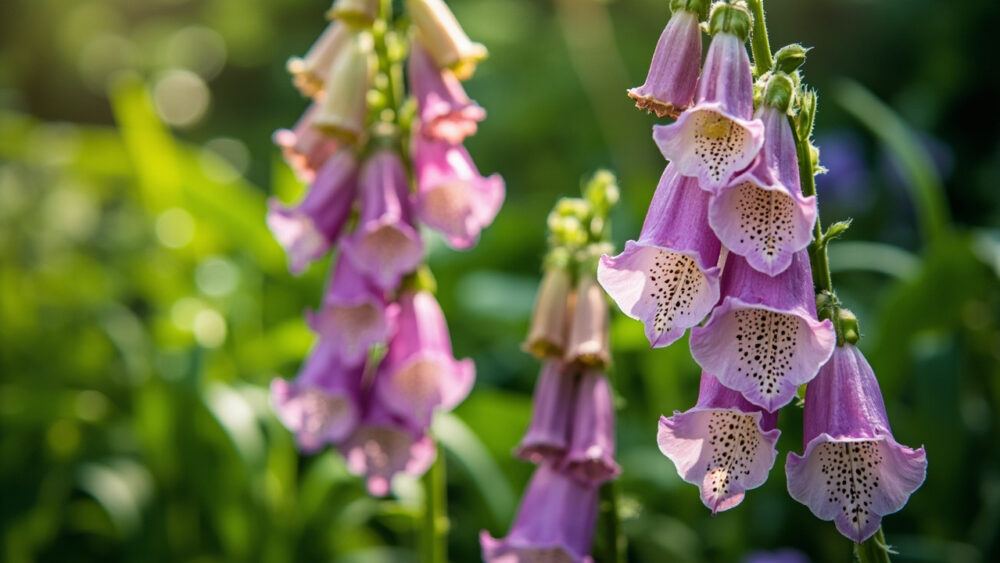
Most foxgloves are biennial, not perennial, which means the honest answer to “do foxgloves come back every year” is no, not the same plant, not in the way a hosta or daylily comes back. A foxglove typically grows leaves the first year, blooms the second year, then dies after setting seed. Some varieties are true short-lived perennials and will limp along for a third or fourth year, but they are the exception, not the rule.
That said, plenty of gardeners swear their foxgloves come back “every year” for a decade straight, and they are not wrong either. That is usually self-seeding, not the original plant surviving.
Below I will walk through which type you probably have, what your yard tells you about what happens next, the one thing that quietly wrecks most foxglove stands, and how to keep the display going without buying new plants every spring. There is a save-able quick-reference card at the very bottom once you have the full picture.
The Plain Answer: Biennial, Perennial, or Reseeding Annual
Common foxglove (Digitalis purpurea), the tall spiky one sold at every garden center, is biennial. Year one it is a low rosette of leaves. Year two it throws up that dramatic flower spike, then it is done, permanently.
A handful of species and hybrids, like Digitalis grandiflora, Digitalis ferruginea, and some of the “Camelot” or “Foxlight” series, behave more like true perennials and can rebloom for two or three seasons in the right spot. Zone matters too: in zones 4 to 8, foxglove is reliably hardy as a biennial or short-lived perennial. In zones 9 and warmer, summer heat and humidity often kill it outright before it gets a second season at all.
Knowing which category yours falls into changes everything else you do next.
What Happens Over Winter and Into Next Season
If your foxglove bloomed this year, expect it to look rough, then die back to a low rosette or vanish entirely by fall. That is normal, not a symptom of disease. A first-year plant that has not bloomed yet will overwinter as a tight leaf rosette, stay green-ish through mild winters, and send up its flower spike the following late spring to early summer once soil warms.
Here is the part most people misread: if you assumed a foxglove that “died” after flowering was killed by cold or poor care, that guess is usually wrong. Blooming itself is what ends a biennial’s life, not the weather.
What actually determines whether you get more flowers next year is whether seed was allowed to drop.
How to Actually Get Foxgloves to Return
Let the spent flower spikes stand instead of cutting them back right after bloom. Foxglove seed is tiny and prolific, and if the pods are allowed to mature and shatter naturally onto bare soil nearby, you will typically see a fresh crop of seedling rosettes by late summer or fall. Those rosettes are your next year’s flowering plants.
A few practical moves improve your odds:
- Leave 2 to 3 seed spikes standing per plant instead of deadheading everything.
- Rake back mulch in a ring around the base so seed hits soil, not bark chips.
- Thin crowded seedlings to about 12 to 18 inches apart once they have a few true leaves.
- Mulch lightly over winter in zones 4 to 6 to protect first-year rosettes from hard freeze-thaw heaving.
If you want a fuller stand next year, self-seeding does more work than any fertilizer will.
When Treating It as an Annual Is Honestly the Smarter Play
In hot-summer regions, zones 9 and up, or anywhere with heavy clay that stays soggy in winter, fighting to overwinter foxglove is often a losing battle. Crown rot from wet feet kills more foxgloves over winter than cold ever does. In those conditions, buying or starting fresh nursery-grown biennial plants each year, already in their second-year, blooming-size stage, gets you reliable flowers without the gamble.
It is also the better call if you deadhead everything for tidiness, since no seed drop means no next generation regardless of hardiness zone.
One more honest note before the summary: foxglove is toxic if ingested, to people and to pets, and can cause serious heart-related symptoms. If a child, dog, or cat eats any part of the plant, call a veterinarian or poison control right away rather than waiting to see what happens.
With the zone, seeding, and toxicity pieces in place, here is everything condensed into one card you can save.
Foxgloves: Quick Reference
- Core answer: most foxgloves are biennial, blooming once in their second year then dying, not perennial in the traditional sense.
- Perennial exceptions: Digitalis grandiflora, Digitalis ferruginea, and some modern hybrid series can rebloom for two to three seasons.
- Best zones for return: 4 through 8, where winters are cold enough to trigger blooming but not so harsh they kill first-year rosettes.
- Poor zones for return: 9 and warmer, where heat and humidity often kill the plant before a second season.
- How it actually comes back: almost always through self-seeding, not the original plant surviving, so let some spent flower spikes stand and drop seed.
- Biggest mistake: deadheading every spike for tidiness, which looks neat but removes next year’s seedlings entirely.
- Toxicity: all parts are toxic to people and pets, watch for vomiting, irregular heartbeat, or weakness after suspected ingestion, and call a veterinarian or poison control immediately.
Grow it as a biennial that reseeds and you will rarely be without foxglove spikes again. Skip the deadheading on a few stalks this year, and next year’s show takes care of itself.