Cyclamen leaves turning yellow is most often the plant telling you it’s thirsty in the wrong direction, either drowning from overwatering or a pot that never drains, not underwatering like most people assume first. The fix depends on which end of that spectrum you’re on, and the plant usually gives you other clues besides the yellow leaf itself.
Here’s the loop worth opening right away: almost everyone blames “not enough water” the second they see yellow leaves, and on a cyclamen that guess is wrong more often than it’s right. There’s one specific detail on the plant, where the yellowing starts and what the soil feels like an inch down, that tells you exactly which of five or six causes you’re actually dealing with.
Some cyclamen bounce back within a couple of weeks. Others are done no matter what you do, and it’s better to know that now than to keep nursing a corm that’s already rotted. Stick with me through the causes and I’ll hand you a two-minute diagnosis checklist at the bottom you can run right at the plant.
Causes Ordered From Most to Least Likely
1. Overwatering or a pot with poor drainage
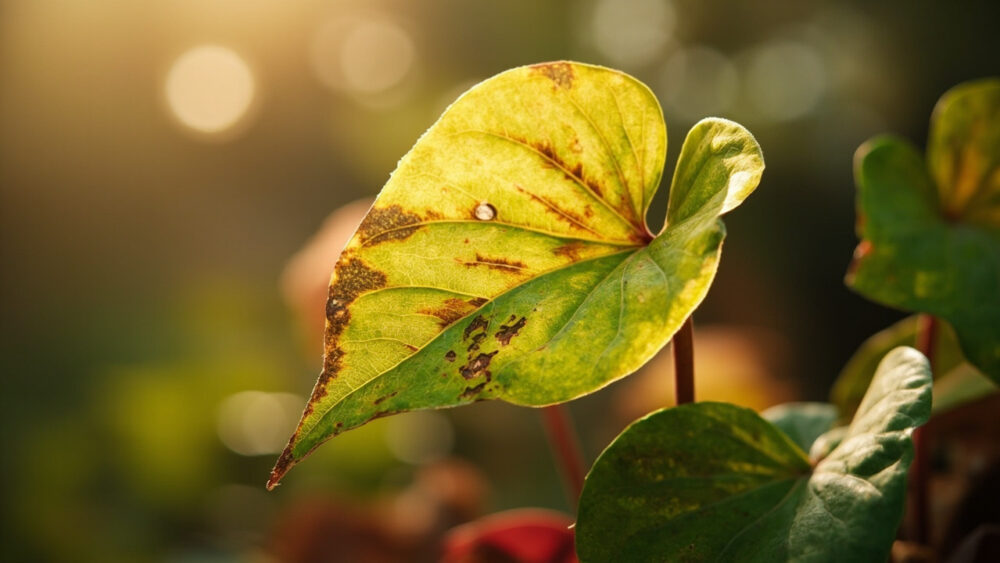
This is the number one killer of potted cyclamen, full stop. Confirm it by sticking a finger into the soil past the first knuckle. If it feels wet or soggy, and the pot has no drainage hole or sits in a saucer full of standing water, you’ve found your cause. Yellowing usually starts on older, lower leaves and the leaf may feel soft or slightly mushy rather than crisp and dry.
Fix: stop watering until the top inch of soil is dry, dump any standing water from the saucer, and repot into a container with real drainage if it doesn’t have one. Cyclamen corms rot fast when they sit wet, so this is not a wait-and-see situation.
But if the soil under your finger feels bone dry instead, you’re looking at a different problem entirely.
2. Underwatering and drought stress
Cyclamen wilt dramatically when thirsty, and the leaves that were already stressed turn yellow and crisp at the edges before dropping. Confirm it by checking soil moisture the same way: if it’s dry an inch down and the pot feels light when you lift it, this is your answer, especially if the whole plant looks droopy rather than just a few leaves going yellow.
Fix: water thoroughly from the bottom by setting the pot in a few inches of water for 15 to 20 minutes, then let it drain fully. Get on a schedule of checking soil moisture every 3 to 4 days rather than watering on a fixed calendar.
Once watering is sorted out, the next most common cause is about temperature, not moisture at all.
3. Heat or a warm, stuffy room
Cyclamen are cool-season plants that actually prefer nighttime temperatures in the 50s Fahrenheit and daytime temps that don’t climb much past 65 to 68 F. Confirm it by checking where the pot sits: near a heating vent, on top of a radiator, in a room that regularly hits 70 F or warmer. Yellowing here tends to show up plant-wide rather than starting on specific leaves, often paired with the whole plant going limp even when soil is moist.
Fix: move it to the coolest bright spot in the house, ideally an unheated sunroom, a cool windowsill away from vents, or a porch that stays above freezing. This one is pure environment, and no amount of watering adjustment will fix a cyclamen that’s simply too warm.
If temperature and water both check out fine, look next at what’s happening with light.
4. Too much direct sun or too little light
Cyclamen want bright, indirect light, not full sun through a south-facing window and not a dim corner either. Confirm it by noting the sun exposure: leaves scorched pale yellow with brown crispy patches facing the window point to too much direct sun, while an evenly pale, weak-looking plant stretching toward light points to too little.
Fix: move to an east or north-facing window, or a few feet back from a south or west window. Give it a quarter turn every week so growth stays even.
Sometimes the plant is doing exactly what it’s supposed to do, and that’s the next cause worth ruling out.
5. Natural dormancy
Cyclamen go dormant after blooming, typically in late spring through summer, and yellowing leaves that die back completely at this point are not a problem at all. Confirm it by checking the calendar and the plant’s recent bloom history: if flowering has finished and multiple leaves are yellowing and collapsing at the base uniformly, this is the corm shutting down for its rest period, not disease or neglect.
Fix: nothing to fix. Cut back on watering, let the foliage die back naturally, and store the corm in its pot in a cool, dark spot until new growth appears in late summer or fall.
If none of these fit and you’re seeing yellowing with other odd symptoms, there are two less common causes worth checking.
6. Fertilizer burn or nutrient deficiency
Too much fertilizer, especially with fresh growth, causes yellowing with a slightly scorched or crispy leaf margin. Confirm it by checking your feeding habits: if you’ve fertilized heavily or recently and see a white or gray crust on the soil surface, that’s salt buildup from excess fertilizer. A pale, uniformly yellow-green plant that’s never been fed, on the other hand, may simply be hungry.
Fix: for burn, flush the pot with plain water until it runs freely from the drainage holes, then hold off feeding for a month. For deficiency, feed monthly with a balanced, diluted liquid houseplant fertilizer during active growth only, never during dormancy.
Now that you’ve got the individual suspects, let’s line them up side by side.
How to Tell the Causes Apart
Where yellowing starts is your best clue. Overwatering and old age both start on lower, older leaves first. Heat stress and light problems tend to show up across the whole plant at once. Dormancy shows uniform yellowing and collapse of most leaves together, usually after flowering has finished.
Leaf texture matters too: soft or mushy yellow leaves mean rot from overwatering, crisp and dry yellow leaves mean underwatering or sun scorch, and a white crust on the soil points straight to fertilizer.
Once you’ve matched the pattern to a cause, the next honest question is whether the plant is actually going to make it.
Will It Recover?
Cyclamen recovered from underwatering, heat stress, or light problems usually bounce back within 1 to 2 weeks once conditions are corrected, though the yellowed leaves themselves won’t turn green again and should be trimmed off at the base.
Overwatering is the tricky one. Caught early, before the corm itself feels soft, cutting back on water saves the plant. If the corm feels squishy or smells sour when you check it during repotting, the rot has likely gone too far and it’s better to start fresh with a new corm than keep nursing it.
Dormancy always resolves on its own with patience, typically 2 to 4 months of rest before new leaves emerge.
Whatever the outcome this time, prevention is what actually keeps you out of this situation next season.
How to Keep It From Happening Again
Get the pot right first. Always use a container with drainage holes and empty the saucer after watering, never let a cyclamen sit in standing water.
Keep it cool, ideally 50 to 65 F, away from heating vents, radiators, and hot south-facing glass in summer.
Water by checking the soil, not the calendar, and let the top inch dry out between waterings during active growth.
Respect the dormancy cycle instead of fighting it. A cyclamen that’s allowed to rest properly comes back stronger and more reliably than one kept struggling through summer heat.
With those habits in place, most yellowing problems simply stop showing up.
Diagnosis Checklist
- Check soil moisture an inch down: if wet or soggy, suspect overwatering or poor drainage first.
- If dry and the pot feels light, suspect underwatering and water thoroughly from below.
- Check the room temperature: above 68 F consistently means move the plant somewhere cooler.
- Check light exposure: harsh direct sun or a dim corner both cause yellowing, adjust placement accordingly.
- Check where on the plant yellowing started: lower leaves first suggests overwatering or age, whole plant at once suggests heat or light.
- Check for a white crust on the soil surface: if present, flush the pot with plain water to remove fertilizer salts.
- Check your bloom history: if flowering recently ended and leaves are collapsing broadly, this is dormancy, let it rest.
- If unsure, gently check the corm during a light repot: firm means it will likely recover, soft or foul-smelling means it’s probably too far gone.
Match what you find to the fix above and give it two weeks before judging results.
Most cyclamen that get their water, light, and temperature right earn back their color fast, and the ones that don’t at least taught you what to change next time.