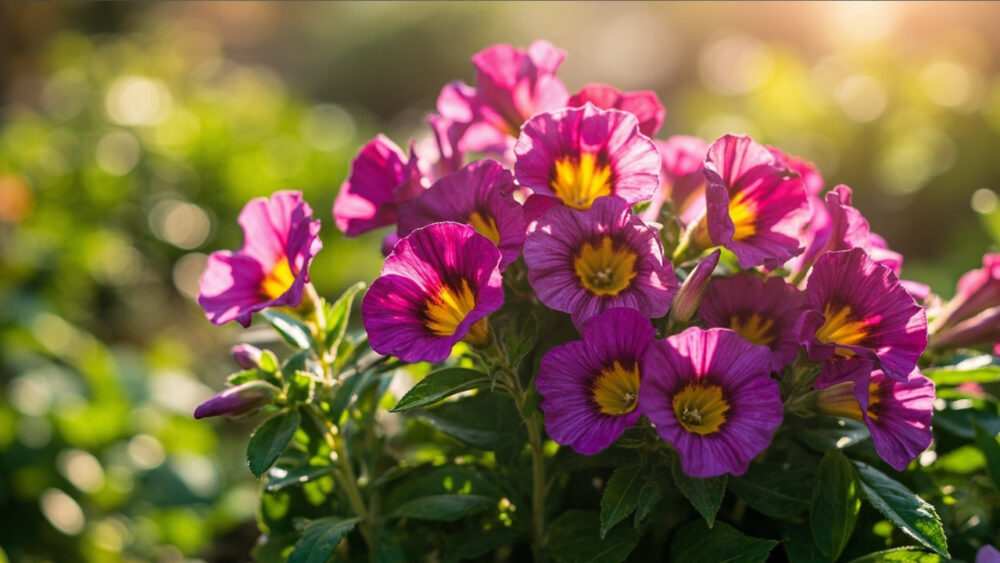
Calibrachoa is a perennial, but for most people growing it, it comes back every year only in zones 9 through 11. Everywhere colder, winter kills it outright, and gardeners treat it as an annual whether they meant to or not. If you’re asking do calibrachoa come back every year because you’re staring at a frost-bitten hanging basket right now, the honest answer depends entirely on your zone and, to a lesser extent, on what you’re willing to do before the cold hits.
There’s a second layer most people miss here. Even in warm zones, “comes back” doesn’t always mean it looks the same as last year’s plant.
What you’re about to get is the zone-by-zone breakdown, what actually happens to the roots over winter, a realistic look at overwintering indoors, and an honest verdict on when you should just buy new plants. There’s a save-it quick reference card at the bottom too, worth screenshotting before you decide what to do with this year’s baskets.
The Plain Answer: Perennial in Warm Zones, Annual Everywhere Else
Calibrachoa is winter hardy in USDA zones 9 through 11, sometimes pushing into a protected zone 8b spot. In those zones, the roots survive mild winter cold and the plant resprouts from its base in spring.
In zones 3 through 8, a hard frost kills the plant to the ground and usually kills the roots too. Calibrachoa can’t tolerate freezing soil the way a hardy perennial can.
So if you garden in Minnesota, Ohio, or coastal Maine, no amount of good care makes it a true perennial outdoors. If you garden in coastal California, the Gulf Coast, or south Florida, it very likely will return on its own.
Your zone answers the question, but your winter still decides the details.
What Actually Happens Over Winter
In cold zones, the first hard freeze turns the foliage black and mushy within a day or two. That’s the plant dying, not going dormant. Once the crown and roots freeze, there’s no coming back, and pulling the dead plant and composting it is the right move.
In warm zones, calibrachoa often looks rough by midwinter even though it’s alive. Cool temperatures and shorter days slow growth way down, flowers get sparse or stop, and the plant can look leggy and tired. That’s normal dormancy-lite, not failure.
Come spring, warm-zone plants push new growth from the base once nights stay reliably above the mid-40s. It’s often slower and patchier than a fresh nursery plant, which surprises people expecting last year’s full basket to just switch back on.
That difference between “dead” and “just resting” is where overwintering strategy comes in.
How to Help It Return, If You’re Willing to Try
If you’re in a marginal zone, roughly 8a to 8b, or you want to gamble in a colder zone, you have two real options: protect it in place or bring it inside.
In-ground or in a large, insulated container in a mild zone, a thick mulch layer over the crown, 3 to 4 inches, plus siting the pot against a south-facing wall, can get borderline plants through a light winter. It’s not reliable below the mid-20s F for extended stretches.
Bringing a whole basket indoors rarely works well long term. Calibrochoa wants strong direct light, and most windowsills don’t deliver enough.
A better indoor method: take 3 to 4 inch cuttings in late summer, root them in moist potting mix, and grow them on a bright windowsill or under a grow light over winter as small starter plants.
- Snip healthy, non-flowering stem tips.
- Strip the lower leaves and dip the cut end in rooting hormone if you have it.
- Keep the mix consistently moist, not soggy, until roots form in two to three weeks.
Cuttings give you a head start next spring, but they’re extra work, and that’s exactly where the annual option starts looking smarter.
When Treating It as an Annual Is Honestly the Better Move
If you’re outside zones 9 through 11, buying fresh plants each spring is the more reliable, less frustrating path, and most experienced gardeners in cold climates do exactly that on purpose. Overwintering attempts in marginal zones fail more often than they succeed, and cuttings take real bench space and light you may not have.
New nursery starts also just perform better. They’re bred for vigor, they haven’t spent a winter limping along indoors, and they’ll fill out and bloom faster than a stressed holdover plant.
Calibrachoa is cheap and widely available every spring, which makes the annual approach less of a loss than it feels like in October.
If you decide fresh plants every year suit you fine, the only real skill left is getting the most bloom out of the one season you have.
Getting the Most Bloom Out of the Season You Have
Whether it’s a holdover or brand new, calibrachoa blooms hardest with at least 6 hours of direct sun, consistent moisture, and regular feeding, since it’s a heavy bloomer that burns through nutrients fast.
A balanced liquid fertilizer every 1 to 2 weeks through the growing season keeps flower production steady.
Calibrachoa is self-cleaning, meaning you don’t need to deadhead spent blooms the way you would petunias. That’s one less job on your list.
Water when the top inch of soil feels dry, especially in hanging baskets, which dry out fast in summer heat.
Get those basics right and one season of calibrachoa will out-bloom most other basket flowers you could plant instead.
Calibrachoa: Quick Reference
- Perennial or annual: perennial only in USDA zones 9 through 11, annual everywhere colder.
- Winter kill point: a hard freeze kills foliage fast and usually kills the roots too in zones below 8.
- Warm zone winter look: sparse, leggy growth is normal dormancy, not death.
- Overwintering option: take 3 to 4 inch cuttings in late summer and root them indoors under bright light.
- Marginal zone protection: 3 to 4 inches of mulch over the crown plus a sheltered south-facing spot, unreliable below the mid-20s F.
- Best practical approach in cold zones: treat it as an annual and buy fresh starts each spring.
- Bloom care: 6-plus hours of sun, weekly to biweekly feeding, no deadheading needed.
Calibrachoa rewards effort but doesn’t demand it, which is exactly why it’s such a forgiving annual.
Plant it for the one great season, and let your zone decide the rest.