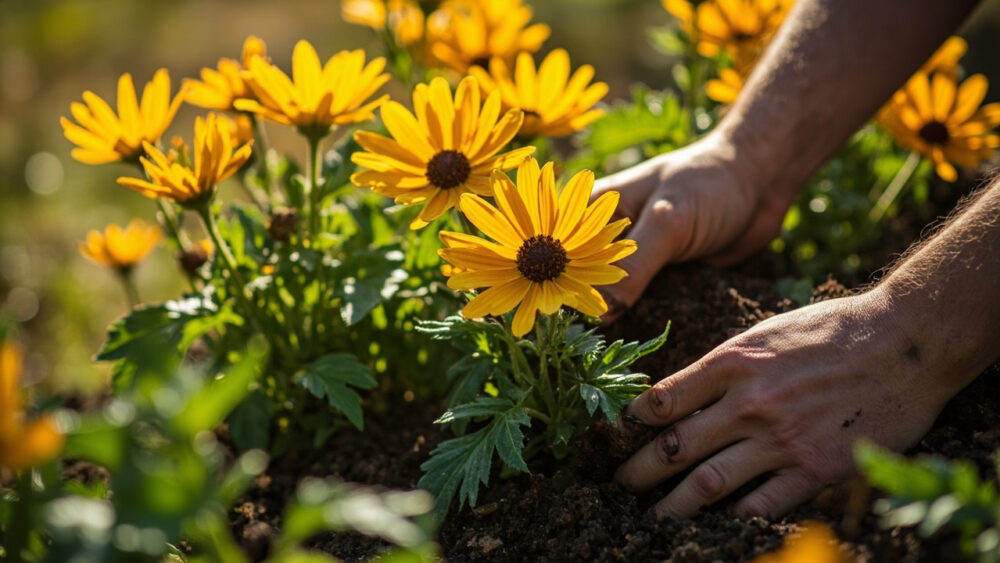
Coreopsis grows best as a full-sun, well-drained-soil plant, seeded or transplanted after your last frost, spaced 12 to 18 inches apart, and left mostly alone once established. Learning how to grow coreopsis is really about resisting the urge to coddle it. Give it lean soil, sun, and room to breathe, and it will bloom from early summer into fall with almost no help from you.
Most people who fail with coreopsis fail the same way, and it is not from neglect. It is from kindness. Rich soil and heavy watering are the single biggest reason a healthy-looking plant produces leaves for months and almost no flowers.
There is also a pruning sign nearly everyone misses until August, a fertilizing habit that backfires completely, and an honest answer about how long any one coreopsis plant actually lives. Stick around for the save-able Coreopsis at a Glance card at the bottom, it has everything worth pinning to your phone before you head back outside.
When to Plant Coreopsis
Plant coreopsis after your last spring frost, once soil temperature sits reliably at 60 to 65 F. For most of the country that lands anywhere from mid-spring to early summer. Coreopsis is hardy in USDA zones 4 through 9 depending on species, but young seedlings and fresh transplants still do not want a hard freeze.
You can start seed indoors 6 to 8 weeks before your frost date, or direct-sow outside once the ground has warmed. Direct-sown seed germinates in 7 to 21 days at those temperatures. If you are setting out nursery transplants, wait until night temperatures stay above about 45 F so the roots do not stall.
Fall planting works too in mild-winter zones, giving roots a head start before spring bloom.
Timing gets you in the ground, but the spot you pick decides whether coreopsis actually thrives.
Choosing the Spot and Prepping the Soil
Coreopsis wants full sun, at least 6 hours a day, and it wants soil on the poor side. This is the part that trips people up, because everything else in the garden rewards rich, amended soil, and coreopsis punishes it.
Skip the compost-heavy bed. Plant it in average to sandy, well-drained soil instead. If your soil is heavy clay, work in some coarse sand or grit rather than compost, mainly to improve drainage, not fertility.
Good drainage matters more than fertility here. Standing water around the crown, especially in winter, is the fastest way to lose a coreopsis plant to root rot.
If you assumed better soil means a better plant, that assumption is exactly what produces the floppy, flower-shy coreopsis so many people end up frustrated with.
Planting Coreopsis Step by Step
1. Loosen the soil
Work the top 6 to 8 inches loose. No need to enrich it, just break up compaction so roots can spread.
2. Set the depth
Sow seed 1/8 to 1/4 inch deep, barely covered, since coreopsis seed needs some light to germinate well. Transplants go in at the same depth they sat in their pot, crown at soil level.
3. Space generously
Give plants 12 to 18 inches between centers depending on the variety. Compact types like threadleaf coreopsis can go closer, tall types like lanceleaf coreopsis need the full 18 inches for airflow.
4. Water in once
Water thoroughly right after planting to settle soil around the roots, then back off. This first watering is the last deep drink it will need on any regular schedule.
Once it is in the ground, the real skill is knowing when to leave it alone.
Watering and Feeding Through the Season
Coreopsis is drought-tolerant once established, and overwatering is a far bigger threat than underwatering. Water new plants twice a week for the first 2 to 3 weeks, then taper off.
After that, water only when the top 2 inches of soil are dry, which in most climates means every 7 to 10 days, less if you get regular rain. Established plants often need no supplemental water at all outside of real drought.
Skip the fertilizer, or use it sparingly. A single light feeding of a balanced fertilizer in early spring is plenty. Heavy nitrogen produces lush foliage and weak, sparse blooms, which is the opposite of what you planted this for.
Mulch lightly if you want, but keep it thin and pulled back from the crown so the base stays dry.
Feed it wrong and you get leaves all summer with hardly a flower to show for it, which brings up the other habit worth breaking.
Deadheading, the Mid-Summer Slump, and Dividing
By midsummer, many coreopsis varieties hit a lull, flowers slow down and the plant looks tired. This is the sign almost everyone misreads as disease or a dying plant.
It is neither. It is just spent blooms sapping energy that should go toward new buds. Shear the whole plant back by about a third once the first flush fades, and fresh growth and a second bloom flush usually follow within 2 to 3 weeks.
Deadheading individual spent flowers through the season also keeps blooms coming instead of letting the plant go to seed early.
Coreopsis is often short-lived as a perennial, some varieties act more like a 2 to 3 year plant even in ideal conditions. Divide clumps every 2 to 3 years in early spring to keep them vigorous, lifting the plant and splitting the root mass into sections with a spade or your hands.
That short lifespan is the honest answer nobody advertises on the seed packet, but it is also the reason letting a few flowers go to seed each fall matters.
Problems That Actually Show Up
Coreopsis is genuinely low-trouble, but a few issues are common enough to name plainly.
- Root rot: caused by poor drainage or overwatering, shows up as wilting despite moist soil and a mushy crown. Prevention is the only real fix, improve drainage before planting.
- Powdery mildew: a white coating on leaves in humid, crowded conditions. Improve airflow with proper spacing and avoid overhead watering late in the day.
- Aster yellows: a disease spread by leafhoppers that causes stunted, distorted, greenish flowers. There is no cure, remove and discard affected plants to protect the rest of the bed.
- Aphids: clusters on new growth, usually knocked back with a strong water spray or insecticidal soap applied per the product label.
None of these are common if you got the sun, drainage, and spacing right from the start.
Handle the plant right through the season and the bloom itself takes care of the rest.
When Coreopsis Blooms and How to Harvest for Cutting
Coreopsis typically blooms 60 to 90 days from seed, or within weeks of transplanting an established nursery plant, and continues from early summer into early fall with deadheading. Flowers are ready to cut once fully open, with petals flat and the center disc firm, not still tightly furled.
Cut stems in the cool of morning, choosing flowers that are open but not yet dropping petals, and they will hold in a vase for 5 to 7 days. Cutting regularly for bouquets does double duty as deadheading, which pushes the plant to keep producing.
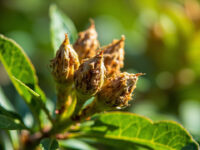
If you want seed for next year, let a handful of late-season flowers go to seed on the plant instead of cutting them. The seed heads dry and darken on the stem, and you can collect and store them once they turn brown and papery.
That is the whole cycle, plant lean, water little, cut often, and let the last flush go to seed.
Coreopsis at a Glance
- When to plant: after last frost, once soil hits 60 to 65 F, zones 4 through 9 depending on species.
- Sun and soil: full sun, at least 6 hours, average to sandy soil with sharp drainage, no heavy compost.
- Spacing and depth: 12 to 18 inches apart, seed at 1/8 to 1/4 inch deep, transplants at original soil level.
- Watering: twice weekly while establishing, then only when the top 2 inches of soil are dry, roughly every 7 to 10 days once mature.
- Feeding: one light balanced feeding in early spring only, skip heavy nitrogen.
- Bloom time: 60 to 90 days from seed, early summer through early fall with regular deadheading and a midsummer shear-back.
- Lifespan: often 2 to 3 years per plant, divide clumps every 2 to 3 years in early spring to keep beds full.
Coreopsis rewards neglect more than fuss, so when in doubt, water less and let it bake in the sun.
Get the drainage and spacing right at planting and almost everything else takes care of itself.