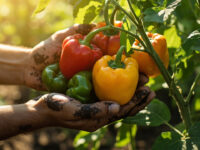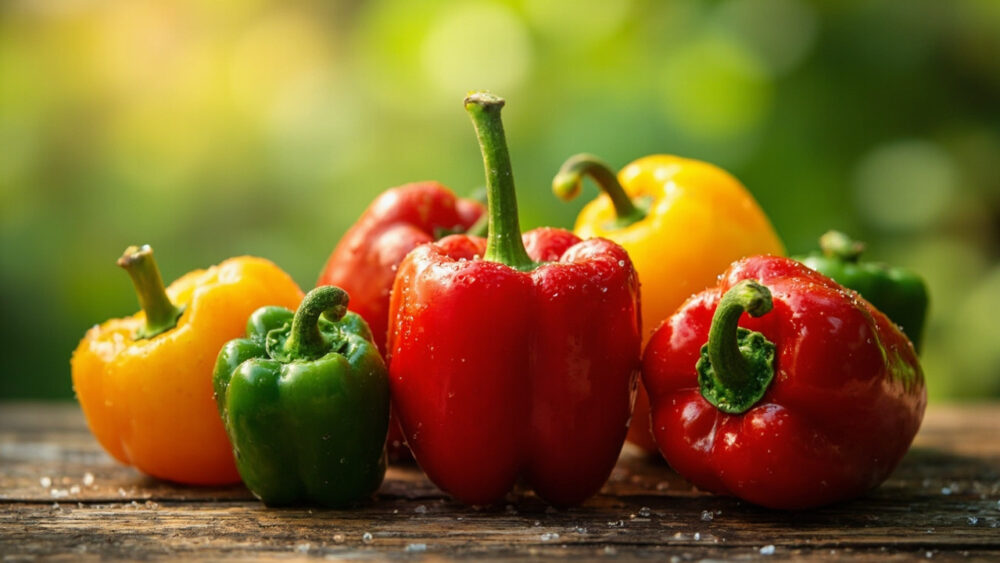
Yes, you can freeze peppers, and they hold up better than almost any other vegetable in the freezer. No blanching required for most uses, just wash, cut, and freeze on a tray before bagging. Done right, frozen peppers keep good color, crunch-to-tender texture, and real flavor for eight to twelve months.
But there is one step almost everyone skips that turns a bag of pepper strips into a single frozen brick, and one moisture mistake that gives you mushy, watery peppers by month three. There is also a real difference between how you should freeze a bell pepper for fajitas and how you should handle a hot pepper you plan to use in sauces.
Stick around for the part about which peppers actually benefit from blanching, because it is not the group most people assume. And down at the bottom, save the Peppers at a Glance card so you never have to guess again.
The Best Method: Flash-Freeze Before You Bag
Wash and dry the peppers completely first. Any water left on the surface turns to ice crystals that make the flesh soggy later.
Cut out the stem, seeds, and core, then slice into strips, rings, or dice depending on how you cook. Spread the pieces on a baking sheet in a single layer, not touching.
Freeze that tray uncovered for two to three hours until the pieces are hard. Then transfer to a freezer bag or container, press out the air, and label with the date.
This flash-freeze step is the difference between pouring out a handful for dinner and hacking at a solid block with a butter knife.
Do You Need to Blanch Peppers First?
Here is the part that surprises people: most peppers do not need blanching at all. Bell peppers, sweet peppers, and mild chiles freeze perfectly well raw, and skipping blanching actually keeps more of their crisp bite for stir-fries and fajitas.
If you assumed blanching is mandatory because that is the rule for green beans or broccoli, that guess does not hold here. Raw-frozen peppers just soften a bit more on thawing, which is fine for cooked dishes.
Where blanching earns its place is with thick-walled peppers you plan to stuff or with any pepper you want to store much longer than a year. A quick two to three minute blanch in boiling water, then an ice bath, firms the cell walls and stretches shelf life a little further.
For the everyday cook freezing a garden’s worth of peppers, raw and flash-frozen is the method that actually gets used.
How Long Peppers Actually Keep, Method by Method
On the counter, fresh whole peppers last about five to seven days before they start to soften and wrinkle.
In the fridge crisper drawer, unwashed and whole, they hold for two to three weeks, sometimes longer for thick-walled bells.
Cut and refrigerated, use them within three to four days since exposed flesh dries out and loses crunch fast.
Frozen raw, peppers stay good for eight to twelve months at a steady 0 F. Blanched and frozen, you can stretch that closer to fourteen to eighteen months without much quality loss.
None of that matters if the peppers were already going soft before they hit the tray, so let’s talk about what you’re actually freezing.
Signs a Pepper Should Not Be Frozen
Freezing preserves whatever state the pepper is in when it goes in. It does not fix soft spots, and it does not slow down rot that has already started.
Skip any pepper with slimy patches, dark sunken spots, or a sour smell at the stem end. Those go in the compost, not the freezer bag.
Wrinkled skin alone is not a dealbreaker if the flesh underneath is still firm. Cut one open to check before you commit a whole batch.
Mold showing as white, black, or greenish fuzz means the whole pepper is done, even if only one side looks affected.
Sorting before you cut saves you from freezing a problem you will not notice until the bag is thawed six months from now.
The Mistakes That Ruin a Batch
The single biggest mistake is skipping the flash-freeze tray and dumping cut peppers straight into a bag. They freeze into one solid clump, and every future use means thawing the entire bag instead of pulling out a handful.
Second is packing peppers while they are still wet from washing. That extra moisture turns into frost inside the bag and eventually into mushy, waterlogged pieces.
Third is leaving air in the bag. Air pockets cause freezer burn, which shows up as pale, leathery patches that taste like nothing.
- Not drying peppers before cutting, which adds excess moisture to the bag.
- Skipping the tray step, resulting in one frozen block instead of loose pieces.
- Overfilling bags so air cannot be pressed out.
- No date label, so good peppers get lost behind a year of freezer clutter.
Get those four things right and a bag of peppers behaves exactly like it should a year from now.
Thawing and Using Frozen Peppers
Frozen peppers are best used straight from the freezer into a hot pan, soup, or sauce. They release less water that way and keep more texture.
If you thaw them first on the counter, expect a softer, wetter result, since the ice crystals rupture the cell walls as they melt. That is fine for chili or salsa but disappointing for a stir-fry.
Do not refreeze peppers once thawed. Quality drops fast the second time, and any that sat out at room temperature for more than two hours should be tossed rather than refrozen.
Once you know how to use them frozen, the whole reason for freezing in the first place makes a lot more sense.
Peppers at a Glance
- Best method: wash, dry completely, cut, flash-freeze on a tray for two to three hours, then bag with air pressed out.
- Blanching: optional for most peppers, useful mainly for thick-walled stuffing peppers or long-term storage past a year.
- Fridge life: whole peppers hold two to three weeks, cut peppers three to four days.
- Freezer life: eight to twelve months raw, up to fourteen to eighteen months blanched, at a steady 0 F.
- Signs to toss: slimy patches, sunken dark spots, sour smell, or any visible mold.
- Best use from frozen: straight into hot pans, soups, or sauces without thawing first.
- Never do this: refreeze thawed peppers or skip the flash-freeze tray step.
Freeze them dry, freeze them loose on a tray first, and use them straight from frozen. That single sequence is what separates a useful bag of peppers from a frozen brick nobody wants to deal with.