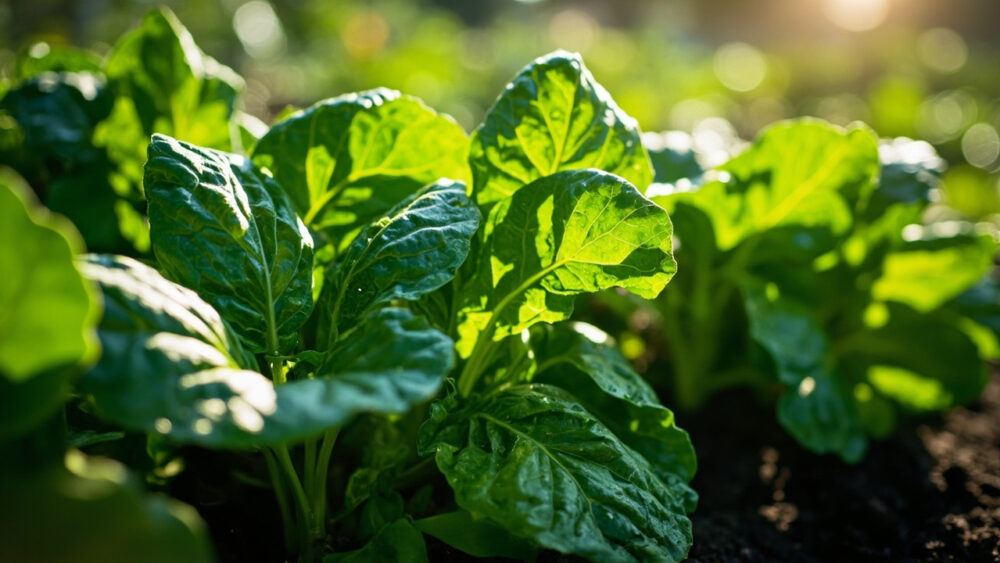
Yes, you can freeze spinach, and it holds up better than almost any other leafy green in the freezer, but only if you blanch it first. Skip that step and you get a slimy, bitter, freezer-burned mess in about six weeks instead of a bag of usable greens that lasts eight to twelve months. The blanch is thirty seconds. The mistake of skipping it is the whole batch.
There’s also a fork in the road most people don’t know exists: raw-pack freezing works fine too, but only for spinach going straight into smoothies, and it cuts your storage life roughly in half. And the sign that tells you a bag has gone bad isn’t what you’d expect. It’s not mold most of the time. It’s smell and texture, and by the time you see color change, you’ve usually already lost the flavor.
Stick with me and you’ll get the exact step-by-step method, real timelines for fridge versus freezer versus blanched-and-frozen, the prep choices that actually matter, and the mistakes that quietly ruin a perfectly good harvest or grocery bag. There’s a save-able Spinach at a Glance card at the bottom with every number in one place, so you don’t have to remember any of this.
The Best Way to Freeze Spinach, Step by Step
Blanching is non-negotiable if you want spinach that tastes like spinach in February. It stops the enzymes that keep breaking down the leaf even in a deep freeze, which is exactly what causes that mushy, hay-like texture in unblanched bags.
Here’s the method:
- Wash the leaves well, stems removed if they’re thick or tough.
- Drop them into boiling water for 30 to 60 seconds, just until they wilt and turn bright dark green.
- Pull them immediately into an ice bath for the same amount of time you blanched.
- Squeeze out as much water as you can, by hand or in a clean kitchen towel.
- Pack into freezer bags flat, or portion into ice cube trays with a little water for smoothie-size chunks.
- Press out air, label with the date, and freeze flat until solid.
That ice bath isn’t optional either, it’s the thing that stops the cooking so you don’t end up with freezer-baked mush.
Get the squeeze wrong and every other step was wasted effort.
How Long Spinach Actually Lasts, Each Way
Fresh spinach on the counter is a one-day proposition at best, it wilts fast in warm air. In the fridge, raw spinach in a bag or container with a paper towel to catch moisture holds for 5 to 7 days, sometimes 10 if it was very fresh when you got it.
Cooked spinach in the fridge, whether sauteed or steamed, is good for 3 to 4 days in a sealed container.
Frozen, the numbers change a lot depending on whether you blanched. Blanched and properly frozen spinach holds excellent quality for 10 to 12 months, and is still safe to eat well past that, it just loses color and flavor gradually. Raw-packed frozen spinach, skipped blanch and all, is edible for maybe 2 to 3 months before texture and taste fall off a cliff.
That gap is the whole argument for spending the thirty seconds.
Do You Really Need to Blanch? The Honest Answer
If you assumed freezing raw spinach in a bag would save you a step, you’re not wrong that it’s faster, but you’re trading months of quality for those thirty seconds. Raw-frozen spinach turns to something close to wet paper once thawed. It’s fine tossed frozen straight into a smoothie or a soup where texture doesn’t matter and it never needs to thaw and hold its shape.
It is not fine for a quiche, a saute, or anything where you want distinct leaves or a decent bite.
So the real answer is conditional: raw-pack only if the end use is blended or simmered into oblivion anyway. Blanch for everything else, including any spinach you’re freezing without a specific use already in mind.
Which brings up the other prep decision that trips people up just as often.
Washing, Drying, and the Water Problem
Spinach holds grit in every crinkle of the leaf, so wash it even if the bag says pre-washed. Swish it in a big bowl of cold water, lift it out rather than draining the bowl over it, and repeat if you see sediment on the bottom.
Drying matters more than people think. Wet spinach going into the freezer raw forms ice crystals that shred the cell walls, which is part of why raw-pack spinach turns mushy so fast on thawing.
For the blanch method this is less critical since you’re squeezing water out anyway, but dry your leaves well before any raw freezing or before sauteing for the fridge.
A salad spinner earns its cabinet space here, it’s the fastest way to get leaves genuinely dry rather than just looking dry.
Even dry, well-blanched spinach can still go wrong in storage, and here’s what that looks like.
The Signs Your Spinach Has Turned
Fresh spinach that’s past its prime goes slimy on the leaf surface first, often before any color change. That sliminess is your clearest early warning, trust your fingers before your eyes.
Smell is the second signal, and it’s more reliable than looking for mold. Spinach that’s turned smells sour or distinctly “off,” not just earthy. If you catch that smell, don’t taste-test to confirm, just toss it.
In the freezer, watch for heavy frost crystals inside the bag or a grayish, dried-out look on the surface of the leaves. That’s freezer burn, and while it won’t make you sick, it wrecks the flavor and texture.
Actual mold, fuzzy spots in white, gray, or black, means the whole bag goes in the trash, no salvaging the good-looking leaves around it.
Most of the time, though, spinach doesn’t fail from age. It fails from a handful of preventable mistakes.
The Mistakes That Ruin a Batch
Overcrowding the blanching pot is the most common one. Too much spinach at once cools the water and you get uneven wilting, some leaves overcooked, some barely touched. Work in small batches, a couple handfuls at a time.
Skipping the ice bath is next. Without it, residual heat keeps cooking the leaves right through the draining and bagging process, and you end up with spinach that’s already halfway to mush before it even hits the freezer.
Not squeezing out water is the third big one, and it’s sneaky because the spinach looks fine going into the bag. That trapped water forms ice, then turns to slush on thawing, and you get a soggy puddle instead of usable greens.
Last one: freezing in one big clump instead of flat, portioned amounts. A giant frozen brick means you have to thaw the whole thing to use a cup, and repeated partial thawing tanks quality fast.
Fix those four things and there’s really nothing left to go wrong.
Spinach at a Glance
- Fresh on the counter: use within a day, spinach wilts fast at room temperature.
- Fresh in the fridge: 5 to 7 days raw, up to 10 if very fresh, 3 to 4 days once cooked.
- Blanch time: 30 to 60 seconds in boiling water, then an equal time in an ice bath.
- Frozen after blanching: 10 to 12 months at best quality, still safe well beyond that.
- Frozen raw, unblanched: 2 to 3 months before texture and flavor drop off, best used only for smoothies or soups.
- Signs it’s turned: slimy leaf surface, sour smell, or fuzzy mold, all mean toss it, no salvaging around mold spots.
- Biggest mistakes: overcrowding the blanch pot, skipping the ice bath, not squeezing out water, freezing in one big clump.
Blanch it, squeeze it dry, freeze it flat. That’s the entire difference between spinach you’re happy to pull out in March and spinach you end up scraping into the trash.