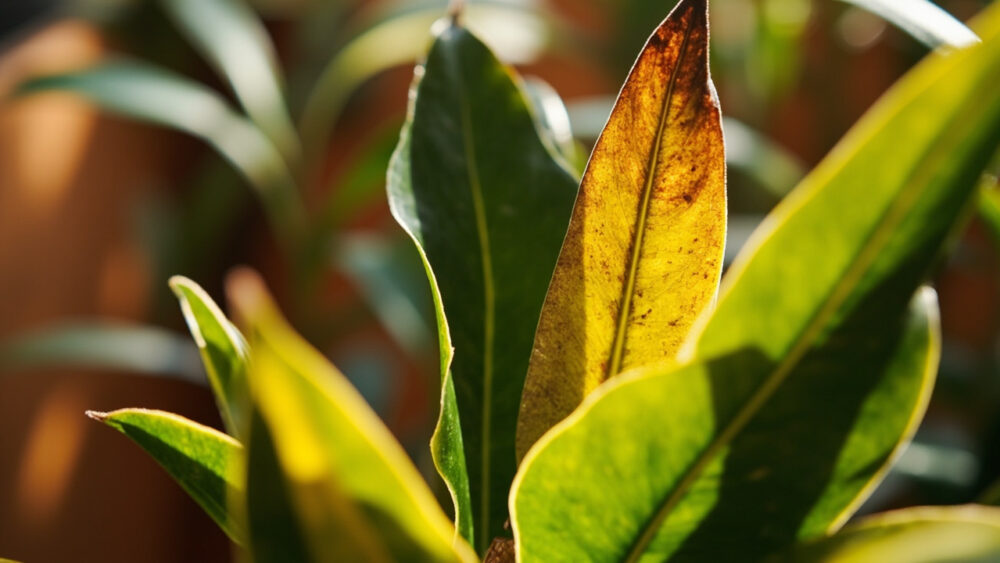
Nine times out of ten, a yellowing ZZ plant means overwatering, and the fix is to stop watering on a schedule and let the potato-like rhizomes underground dry out properly between drinks. ZZ plants store water in those thick rhizomes specifically so they can go weeks without you, and constantly wet soil rots them from the inside before you ever see a wilted leaf.
Here’s the part almost everyone gets backwards: the instinct when a plant looks bad is to water it, and with a ZZ that instinct is usually the exact mistake that kills it. The real diagnosis depends on one detail you can check right now, which leaves are yellowing first, the oldest ones at the base or the newest growth at the tips, and that single detail points you to a completely different cause and fix.
Stick with me and I’ll walk through every real cause in order of likelihood, show you how to tell them apart on your specific plant, give you an honest read on whether yellow leaves come back green, and at the very bottom you’ll find a two-minute diagnosis checklist you can run standing right next to the pot.
Most Likely Causes, Ranked
1. Overwatering and Rhizome Rot
Confirm it: slide the plant out of the pot, or at least dig down two inches, and check the rhizomes. Healthy ones are firm and pale tan to white. Rotting ones are soft, mushy, brown or black, and often smell sour or swampy.
Soil that stays wet more than a week after watering is the other tell. Yellowing here usually shows up on lower and outer leaves first, and stems can go soft and yellow near the base.
Fix it: stop watering immediately. If rhizomes are mushy, unpot the plant, cut away any soft or discolored sections with a clean blade, let the cut surfaces dry for a few hours, and repot into fresh, fast-draining soil in a pot with a drainage hole. Water only when the top two to three inches of soil are fully dry.
If the rot caught you early, this is fixable, if it’s already crept up several rhizomes, you’re triaging.
2. Too Little Light for Too Long
Confirm it: think about where the plant has actually lived for the past few months, not where you meant to put it. ZZ plants tolerate low light, they don’t thrive in it forever.
In true low light, older, lower leaves yellow slowly and uniformly, growth stalls, and stems get leggy and stretch toward whatever light source exists.
Fix it: move it to bright, indirect light, a few feet from an east or west window, or under filtered south light. Don’t jump it straight into harsh direct sun, which scorches leaves that have adapted to shade.
This one is slow to cause damage and slow to fix, but it’s also the easiest to get permanently right.
3. Natural Old-Leaf Shedding
Confirm it: look at exactly which leaves are yellowing. If it’s one or two of the oldest leaves at the very base of a stem, the rest of the plant looks glossy and firm, and new growth is emerging normally, this is likely just the plant retiring old foliage.
ZZ plants shed their oldest leaves periodically as part of normal turnover, especially on stems that are a few years old.
Fix it: nothing to fix. Snip the yellow leaf off at the base if it bothers you, and keep your regular light and watering routine.
If that’s genuinely all you’re seeing, you can skip straight to prevention, but check the next few causes before you assume you’re off the hook.
4. Too Much Direct Sun
Confirm it: check whether the yellowing leaves face a window that gets several hours of direct sun, especially afternoon sun. Sun-stressed leaves often yellow with a bleached, faded look rather than solid yellow, sometimes with crispy brown patches, and it’s usually the leaves closest to the glass.
Fix it: move the plant back a few feet or add a sheer curtain between the plant and the glass. ZZ plants want bright indirect light, not hours of direct rays through a south or west window.
Damaged leaves won’t turn green again, but new growth in the corrected spot will be fine.
5. Underwatering (Less Common, But Real)
Confirm it: this one surprises people because ZZ plants are famous for tolerating neglect, but total neglect for months on end still catches up eventually. Soil is bone dry and pulling away from the pot’s edge, leaves feel thin and slightly wrinkled before they yellow, and the rhizomes, if you check, are firm but the potting mix is dust dry throughout.
Fix it: water thoroughly until it drains from the bottom, then return to checking the soil every week or two rather than ignoring the plant for months.
Compare this against cause one carefully, because the fix is the opposite and getting it backwards makes things worse.
6. Nutrient Deficiency in Old, Unfed Soil
Confirm it: this shows up mainly in plants that have lived in the same soil for two or more years without repotting or feeding. Yellowing here tends to be more general and pale, sometimes with lighter veins on newer leaves, rather than sharply localized.
Fix it: repot into fresh potting mix, or feed with a balanced houseplant fertilizer at quarter to half strength during spring and summer growth months. Skip feeding in fall and winter when growth naturally slows.
Once you’ve ruled out water and light, deficiency is worth a look, but it rarely acts alone.
How to Tell the Causes Apart
Location on the plant is your best clue. Lower, older leaves yellowing points to overwatering, low light, or normal shedding. Leaves near a sunny window point to sun stress. General, pale yellowing across the whole plant points to nutrient depletion or long-term light deficiency.
Texture matters too. Mushy stems and a sour smell mean rot. Wrinkled, thin leaves mean drought. Firm, glossy yellow leaves with no other symptoms usually mean nothing is actually wrong.
Pattern seals it, one leaf here and there over months is normal turnover, several leaves at once across the plant is a real problem.
Once you’ve matched your pattern, the recovery question comes next.
Will It Recover?
Leaves that have already gone yellow generally do not turn green again, on any of these causes. What you’re really asking is whether the plant as a whole recovers, and that depends on the rhizomes.
If the rhizomes are still firm under the soil, the outlook is good. Trim yellow leaves, fix the cause, and expect new growth within a few weeks to a couple months.
If rot has spread through most of the rhizome mass, cut losses on that section. Save any firm rhizome pieces by potting them separately, they can regrow new shoots on their own.
Light and nutrient issues have the best odds of full recovery since nothing below the soil was ever damaged.
Prevention is what keeps you from having this conversation again next season.
How to Keep It From Happening Again
Water by feel, not by calendar. Push a finger two inches into the soil, and if it’s still damp, wait. Most ZZ plants want water every two to three weeks indoors, longer in winter.
Always use a pot with drainage holes and a well-draining mix, a standard potting soil cut with perlite works well.
Give it bright, indirect light as a baseline, and rotate the pot occasionally so growth doesn’t lean permanently toward one window.
Feed lightly during active growth and repot every two to three years so it isn’t sitting in exhausted soil indefinitely.
With those four habits in place, yellowing becomes rare, and when it happens, it’s almost always just an old leaf retiring on schedule.
Diagnosis Checklist
- Check the soil two inches down: if it’s wet and has been for over a week, suspect overwatering and check the rhizomes next.
- Unpot or dig to the rhizomes: if they’re soft, mushy, or smell sour, this is rot, trim and repot into dry, fresh soil.
- If rhizomes are firm and soil is dry throughout, suspect underwatering, water thoroughly and resume checking soil weekly.
- Look at which leaves are yellow: if it’s only the oldest leaf at the base and everything else is glossy, this is normal shedding, no action needed.
- Check the plant’s light history: if it’s been in a dim corner for months with leggy stretched growth, move it to brighter indirect light.
- Check for direct sun exposure: if yellowing leaves face a sunny window and look bleached or scorched, move the plant back or add a sheer curtain.
- If yellowing is pale and general across the whole plant, and it’s been over two years since repotting, plan a fresh soil change or a light feeding this season.
- Trim any fully yellow leaves at the base, they won’t turn green again regardless of the cause.
Run that list once and you’ll know exactly what you’re dealing with, not just what you’re guessing at.
Fix the cause, be patient with new growth, and your ZZ plant will most likely outlast the pot it’s sitting in.