The best time to plant clematis is spring after your last frost, once soil has warmed to at least 45 to 50 F, or in early fall while soil is still workable and at least six weeks remain before your ground typically freezes. Both windows work. What actually decides whether your vine sulks for two years or takes off is soil temperature and root disturbance, not the calendar page you happen to be on.
Most clematis failures do not come from planting on the wrong day. They come from one specific handling mistake almost everyone makes in the first five minutes after bringing the plant home, and from misreading what a slow-to-leaf vine is actually telling you.
Stick with me and you will get the real window for your yard, the prep that matters more than timing, and the mistake that costs people an entire growing season without them ever realizing it was the cause. There is a save-able Clematis at a Glance card at the bottom, so scroll all the way down before you touch a shovel.
The Real Planting Window
Clematis roots want soil, not air temperature, in a specific range. Wait until soil at 6 to 8 inches deep sits at 45 F or warmer before spring planting. That usually lines up with two to four weeks after your last frost date, depending on how fast your particular yard warms.
Fall planting works just as well in most zones, and in mild climates it often works better because roots establish over winter with no top growth to support. Aim for at least six weeks before the ground freezes hard.
Summer planting is possible too, from containers, but you will be watering constantly to keep a shallow root system from cooking.
Soil temperature is the real gate, and your yard has its own clock for that.
How to Tell Your Window, Not the Calendar’s
Forget the date on the seed rack. Push a soil thermometer or your bare finger 6 inches down in the spot you plan to plant. If it feels cool and slightly damp like a root cellar, you are early. If it feels closer to room temperature, you are close.
A cheaper trick: watch your soil-warming perennials. When daffodil foliage has died back and hostas are unfurling, soil is usually well past 45 F in most temperate gardens.
If you garden somewhere with a short, sharp spring, like the northern Plains or interior mountain West, that window between “soil workable” and “soil hot” can be as short as two or three weeks. Miss it and you are waiting for fall.
Once you trust your soil, the next question is what happens if you jump the gun.
Plant Too Early, and This Is What Actually Goes Wrong
If you assumed planting too early just means a slower start, that guess is where most people go wrong. Clematis planted into cold, wet soil does not just stall, it often rots at the crown before it ever leafs out, because the roots sit wet and inactive while fungal organisms in cold soil stay perfectly active.
The real damage happens underground, invisibly, weeks before you see any sign of trouble above it. By the time the vine fails to leaf out, the root system is already gone.
Plant too late, on the other hand, and the problem is heat stress on a shallow, still-establishing root system through the first hot stretch of summer. That is recoverable with consistent watering. Crown rot from planting too early usually is not.
That asymmetry, mildly annoying versus fatal, is exactly why erring toward slightly late beats erring early.
The Prep That Matters More Than the Date
Here is the sign everyone misreads: a nursery clematis that looks limp, floppy-stemmed, and half dead in its pot right after purchase looks that way because clematis vines are genuinely fragile at the stem, not because the plant is failing. One rough handling snaps a stem at the base and you lose that year’s growth entirely.
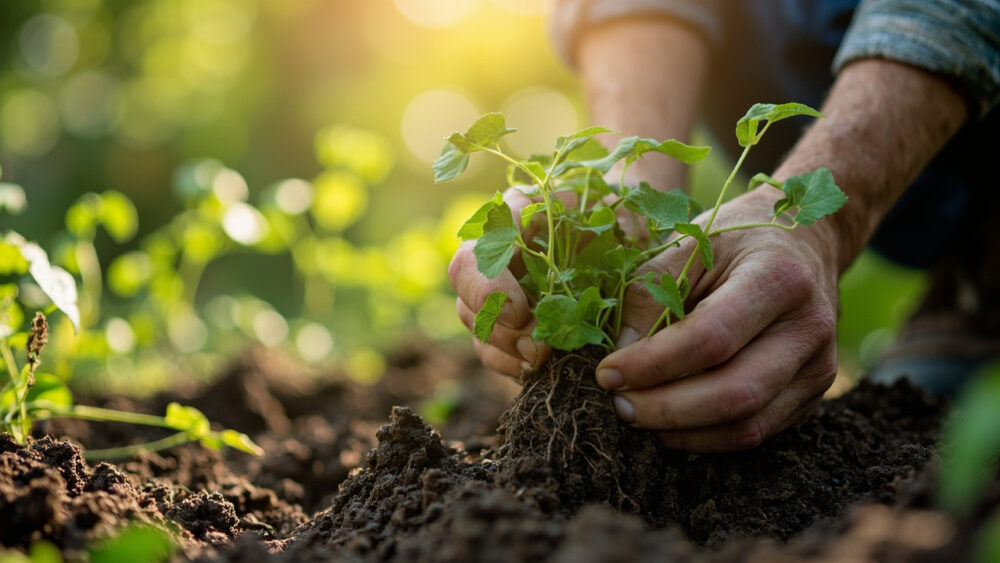
Before your window even opens, dig the hole, 12 to 18 inches wide and at least 18 inches deep, and work in a couple inches of compost. Clematis wants rich, well-draining soil and it wants it ready before the fragile root ball ever leaves its pot.
Plant the crown 2 to 3 inches deeper than it sat in the pot, unlike almost everything else you grow. This buried-crown trick is what lets the plant regrow from below if the top ever gets damaged by disease, cold, or an errant hedge trimmer.
Set up the support structure, trellis, obelisk, or wire, before you plant, not after; clematis puts out grabbing tendrils within days and you do not want to be building a trellis around an already-tangled vine.
Get all of that done ahead of time and the actual planting takes ten minutes.
Spacing, Depth, and the First Watering
Space plants 18 to 36 inches apart depending on the variety’s mature spread; check the tag, since some clematis stay compact and others cover 10 feet of fence.
Water deeply right after planting, then keep soil consistently moist, not soggy, for the first full growing season while roots establish. A 2 to 3 inch mulch layer keeps roots cool, which clematis genuinely prefers even as the top growth wants full sun.
Feed lightly once new growth appears, not at planting time, since a raw root system does not need the extra push.
That first-season watering routine matters more in some climates than others.
Zone and Region Notes Worth Knowing
In USDA zones 4 through 6, spring planting after soil hits 45 F is usually the safer default, since fall gives roots too little time before hard freeze locks the ground.
In zones 7 through 9, fall planting often outperforms spring, because mild winters let roots keep developing for months with none of the summer heat stress a spring-planted vine faces.
In hot zones 8 and 9, if you do plant in spring, get it done early and mulch heavily, since a young clematis root system struggles once soil temperatures climb past 85 F.
Wherever you garden, the same rule holds: soil temperature and remaining weeks before extreme heat or hard freeze matter more than the month on the calendar.
With the window and the prep sorted, here is everything worth saving before you plant.
Clematis at a Glance
- When to plant: spring once soil hits 45 to 50 F, or early fall with at least six weeks before hard freeze.
- Soil check: feel or measure 6 to 8 inches deep, not just the air temperature.
- Planting depth: crown 2 to 3 inches below the soil line, deeper than the pot it came in.
- Spacing: 18 to 36 inches apart depending on mature spread.
- Support: install the trellis or obelisk before planting, not after.
- Biggest risk: planting into cold, wet soil, which rots the crown before it ever leafs out.
- First season care: steady moisture, 2 to 3 inch mulch layer, light feeding only after new growth starts.
Get the soil temperature right and the crown depth right, and clematis forgives almost everything else. Rush cold, wet ground and no amount of good timing later will bring back what you lost underground.