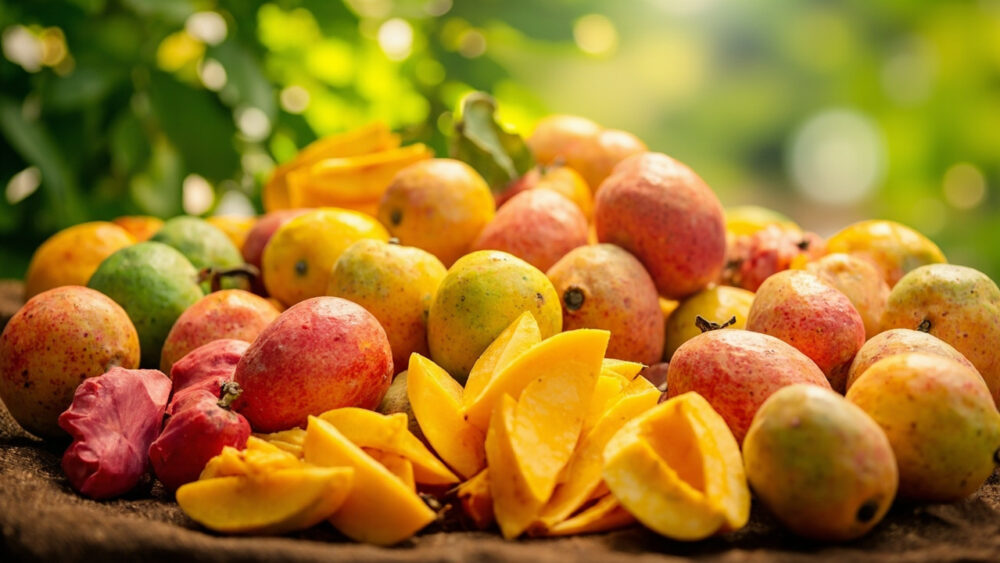
The fastest way to narrow mango varieties is by tree size and heat tolerance, not flavor. A dwarf mango like Carrie or Cogshall stays small enough for a patio pot in zone 9 or 10 or a sunroom further north, while a full-size Haden or Kent needs real ground space and a nearly frost-free yard.
Most beginners pick mango varieties based on supermarket habit, grabbing whatever they saw labeled Tommy Atkins without knowing it is one of the blander, fibrous choices bred for shipping durability, not backyard eating. The growers who actually get great fruit season after season tend to quietly favor a handful of Florida and Southeast Asian types that never make it to grocery shelves.
Below you will find 15 real choices sorted into grafted classics, dwarf and container types, Southeast Asian favorites, and a few specialty picks for collectors. Number 13 is the one most people misjudge completely, assuming it is a novelty when it is actually one of the best-flavored mangoes you can grow at home. The final entries and the step-by-step method for picking the right one for your yard are waiting at the bottom, so keep scrolling.
Grafted Florida Classics
These are the backbone varieties most nurseries carry, bred for reliable fruiting in warm climates and decades of track record.
1. Haden
The mango most other varieties get compared to, Haden produces large, blushed red-and-yellow fruit with rich, slightly fibrous flesh. It needs full sun, a frost-free zone 10 to 11 winter, and patience, since young trees can take four to six years to fruit reliably.
2. Kent
Smoother and less fibrous than Haden, Kent is a late-season variety with sweet, juicy flesh and minimal fiber, making it a favorite for fresh eating. The tree grows large, 30 feet or more without pruning, so it suits an open yard rather than a tight lot.
3. Keitt
The latest ripener on this list, Keitt often stays green even when fully ripe, which trips up new growers who keep waiting for color that never fully comes. Squeeze for slight give instead of watching color, and expect a vigorous, disease-resistant tree that tolerates a bit more humidity than most.
4. Tommy Atkins
The one most people pick for the wrong reason, Tommy Atkins dominates grocery stores because it ships and bruises well, not because it tastes best. It is genuinely stringier and more fibrous than Haden or Kent, though the tree is tough, productive, and forgiving of mediocre soil if you want an easy producer over a gourmet one.
5. Valencia Pride
Long, slender fruit with a rich, almost custardy texture, Valencia Pride ripens early to mid season and holds sweetness well even when picked slightly underripe. The tree is upright and manageable, a solid middle-ground choice between Haden’s size and a dwarf variety’s convenience.
Those five cover most large-scale home orchards, but tree size is where a lot of buyers get stuck next.
Dwarf and Container Mangoes
If you are gardening in a pot, a small lot, or anywhere winters flirt with frost, these stay manageable and can be moved indoors.
6. Carrie
Compact growth with fiber-free, intensely sweet flesh, Carrie is one of the best dwarf choices for containers, topping out around 8 to 10 feet with regular pruning. It ripens mid to late summer and has a tropical, almost pineapple-like note that sets it apart from the classics above.
7. Cogshall
A true patio mango, Cogshall stays under 10 feet, fruits young, often within two to three years from a grafted tree, and produces small, sweet fruit with a soft, non-fibrous texture. It is a good pick for anyone in zone 9b who needs to haul the pot indoors on the coldest nights.
8. Pickering
Slow growing and dense, Pickering makes a naturally bushy, easy-to-manage tree without heavy pruning, and it fruits reliably in containers. The flavor is rich and sweet with almost no fiber, closer to a dessert mango than a juicing one.
9. Julie
One of the smallest true dwarfs, Julie rarely exceeds 8 feet and produces small, intensely flavored fruit with a distinct floral note. It is more cold-sensitive than Carrie or Cogshall, so it suits warm zone 10 gardens or committed container growers more than borderline climates.
Small trees solve the space problem, but flavor is where the Southeast Asian types pull ahead.
Southeast Asian Favorites
These varieties are grown for eating fresh, often unripe, and bring textures and sugar levels the Florida classics do not aim for.
10. Nam Doc Mai
Buttery, almost fiber-free flesh with a honeyed sweetness, Nam Doc Mai is a Thai variety that is become a favorite among home growers who have tasted it once and stopped buying anything else. It fruits on a moderately sized tree and tolerates container growing better than most large classics.
11. Ataulfo (Champagne)
Small, golden, and creamy, Ataulfo is what most people mean when they ask for a champagne mango. The tree is compact enough for smaller yards, ripens early, and the flesh has almost no fiber, which makes it a favorite for smoothies and eating straight off the pit.
12. Mahachanok
A cross bred for both flavor and shelf life, Mahachanok has dense, sweet, low-fiber flesh and a tree that fruits earlier than many classics, sometimes within three years. It handles humid climates well, making it a strong pick for gardeners outside the drier parts of Florida and California.
13. Cotton Candy
The one most people misjudge completely, Cotton Candy sounds like a marketing gimmick, but the name is earned. The flesh genuinely carries a spun-sugar sweetness with almost no acidity, and the tree grows at a moderate rate, fruiting reliably once established in a warm, sunny spot.
If you want a novelty conversation piece that turns out to be a real producer, this is it, but there are still two entries left that matter just as much.
Specialty and Collector Picks
These last two round out the list for growers chasing something the mainstream nurseries do not stock.
14. Alphonso
Widely considered one of the richest-flavored mangoes grown anywhere, Alphonso is notoriously fussy outside its native Indian growing regions, needing consistent heat, low humidity swings, and excellent drainage to fruit well. It rewards patient, attentive growers in hot, dry climates more than casual ones.
15. Lemon Zest
A newer variety with a genuinely citrus-bright flavor, Lemon Zest stands out from the sweeter types above with a tangy, aromatic profile that works well in fruit salads and drinks. The tree stays moderate in size and fruits at a young age, making it a good pick for someone who already has a sweet variety and wants contrast.
How to Choose the Right One
Save this part. It is the method, not just the list.
- Start with space: a full-size Kent or Keitt wants 25 to 40 feet of clearance eventually, while Carrie, Cogshall, Julie, or Pickering can live in a 15 to 25 gallon pot for years.
- Check your climate honestly: mangoes need a frost-free winter and thrive in zone 10 to 11, tolerate zone 9b with protection, and struggle anywhere winter lows regularly dip below 40 F for extended periods.
- Decide your purpose: fresh eating favors low-fiber types like Ataulfo, Nam Doc Mai, or Cotton Candy, while juicing or processing tolerates fibrous classics like Tommy Atkins just fine.
- Be honest about your care appetite: dwarf varieties in containers need repotting every two to three years and winter moves indoors in marginal zones, while in-ground classics mostly need annual pruning and a long wait for first fruit.
- Match flavor to your kitchen: if you already grow something sweet, a tangy variety like Lemon Zest adds contrast instead of redundancy.
- Buy grafted, not seedling: a grafted tree fruits in three to five years and stays true to variety, while a seedling tree can take seven to ten years and often reverts to unpredictable fruit quality.
Pick based on the space and climate you actually have, not the fruit that looks best in a photo. That single decision determines more about your success than variety ever will.