Yes, you can freeze peaches, and done right they come out of the freezer tasting close to fresh for 10 to 12 months. The short version: peel them, slice them, toss the slices with a little lemon juice or a light sugar syrup, and freeze them on a tray before bagging them up. Skip any of those steps and you end up with the thing everyone dreads: a bag of brown, mushy, waterlogged peach chunks fused into one solid brick.
That brick is the number one failure, and it happens for a reason most people never figure out. There is also a step almost everyone skips that determines whether your peaches taste like peaches or like sweetened cardboard by February.
And if you are standing in the kitchen right now with a counter full of ripe peaches wondering if you have already waited too long, I will give you the honest answer on that too. Stick with me to the bottom for the save-able Peaches at a Glance card with every number in one place.
The Method That Actually Works
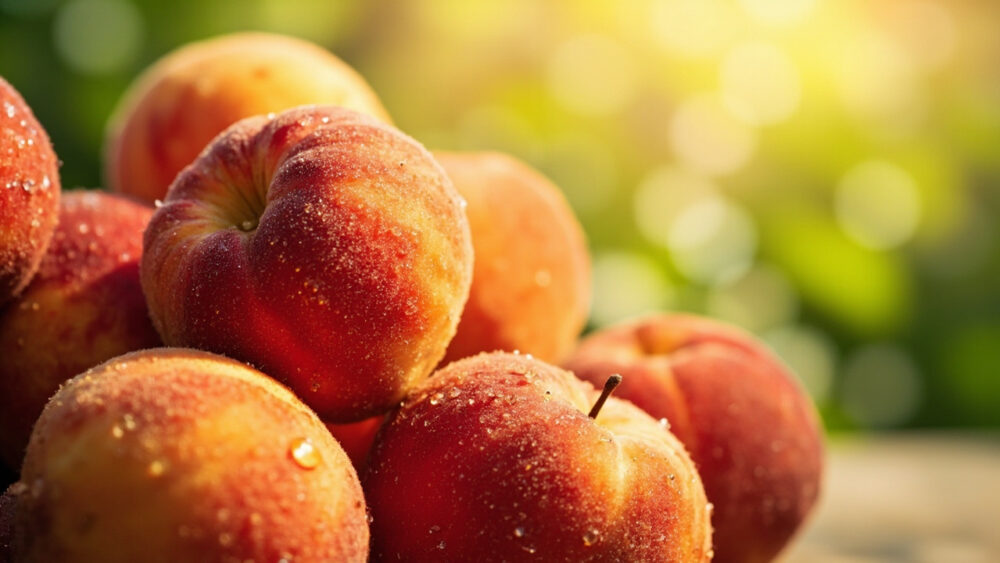
Start with ripe, not rock-hard, fruit. A peach that yields slightly to gentle thumb pressure and smells sweet at the stem end is ready. Underripe peaches freeze into flavorless, tough little wedges no matter what else you do right.
Peel them first. You can blanch peaches 20 to 30 seconds in boiling water then plunge them into ice water to slip the skins off easily, or just use a paring knife if the fruit is very ripe. Slice into wedges about half an inch thick, discard the pits, and immediately toss the slices in lemon juice or ascorbic acid solution so they do not brown while you work.
Lay the slices in a single layer on a parchment-lined tray and freeze for two to three hours until firm.
Then transfer to a freezer bag, press out the air, and label it with the date.
That tray step is the part almost nobody bothers with, and it is the difference between scoopable slices and one giant peach ice cube.
Sugar Pack, Syrup Pack, or Plain: What Actually Changes
You have three real options, and they do not just affect sweetness, they change texture. A dry sugar pack, about 3/4 cup sugar per 2 pounds of sliced peaches tossed together and rested until juicy, gives you firmer slices good for pies and crisps later.
A syrup pack, peaches submerged in a cooled 40 percent sugar syrup (roughly 3 cups sugar dissolved into 4 cups water), gives the softest, juiciest result, best for eating thawed with a spoon or blending into smoothies.
Freezing plain with just lemon juice and no sugar works fine for baking or cooking later, but expect noticeably softer texture once thawed since there is nothing drawing out and stabilizing the moisture.
None of these are wrong, they just aim at different end uses, so pick based on what you plan to do with the peaches next winter.
How Long Peaches Actually Keep, Every Way
On the counter, ripe peaches hold for about 2 to 3 days before they go soft and start attracting fruit flies. In the fridge, whole ripe peaches last 5 to 7 days, though cold storage does dull the flavor and texture somewhat.
Frozen peaches, prepped correctly with the anti-browning treatment and open-tray freeze, keep good quality for 10 to 12 months. They are technically safe to eat well beyond that, but flavor and texture noticeably decline after about a year.
Peach puree for smoothies or baby food freezes just as well, often even better, since there is no slice texture to protect, and it holds a full 12 months in a well-sealed container.
Knowing how long each stage lasts tells you exactly when you are racing the clock and when you have room to relax.
The Prep Details That Make or Break the Batch
If you assumed you can just wash the peaches, cut them up, and toss them straight in a bag, that guess is exactly what causes the brown, mushy freezer brick. Peaches oxidize fast once cut, and without an acid treatment they turn an unappetizing grayish brown within an hour, frozen or not.
Washing is necessary and simple: cool water, a gentle rub, no soap, dry before peeling. Blanching is optional and only for easy peeling, not for food safety the way it is with vegetables.
Peaches do not need to be cooked or cured before freezing the way some fruits and most meats do. The real make-or-break step is the acid, ascorbic acid powder or fresh lemon juice, about 1 tablespoon of juice per quart of sliced fruit.
Skip the acid step and you can do everything else perfectly and still end up disappointed.
How to Tell When Frozen Peaches Have Turned
Frozen peaches do not spoil the way fresh ones rot, but they do go bad in their own way. Freezer burn shows up as pale, dry, leathery patches on the surface of the slices, and while it is safe to eat, the texture turns tough and the flavor flattens out.
A solid, fused block instead of loose slices means air got trapped or the tray-freeze step got skipped, and while still edible, thawing it evenly is a mess.
If you open the bag and smell anything sour, fermented, or off rather than sweet and fruity, or see ice crystals that look unusually heavy and slushy throughout the bag, that signals temperature fluctuation, likely from the freezer door being opened often or a partial thaw and refreeze.
When in doubt on smell or appearance, it is not worth the risk, toss that batch and start fresh next peach season.
The Mistakes That Ruin an Otherwise Good Batch
Most ruined batches trace back to one of a handful of repeat offenders. Freezing underripe fruit locks in a mealy, flavorless texture no thawing technique can fix.
Skipping the anti-browning step gives you gray, unappetizing slices even though they are perfectly safe.
Bagging peaches while still warm or wet creates excess ice crystals and a frost-heavy, waterlogged texture on thawing.
And skipping the flash-freeze tray step is the single most common mistake, turning your peach slices into one unusable block you have to hack apart with a knife.
- Underripe or overripe fruit, both give poor texture
- No lemon juice or ascorbic acid before freezing
- Bagging warm, wet slices straight from cutting
- Skipping the tray freeze before bagging
- Leaving air in the bag, which speeds freezer burn
Fix those five habits and you have already solved 90 percent of what goes wrong with frozen peaches.
Peaches at a Glance
- Ripeness to freeze: fruit that yields slightly to a gentle thumb press and smells sweet at the stem end, not hard, not mushy.
- Prep order: wash, peel, slice about half an inch thick, toss immediately with lemon juice or ascorbic acid.
- Pack choice: dry sugar pack for firmer slices, syrup pack for soft eating fruit, plain for baking and cooking.
- Freezing method: single layer on a parchment tray for two to three hours, then transfer to a sealed, air-pressed freezer bag.
- Freezer life: 10 to 12 months at best quality, safe longer but flavor and texture decline.
- Fridge and counter life: 2 to 3 days on the counter, 5 to 7 days refrigerated whole and ripe.
- Signs it has turned: leathery pale patches, sour or fermented smell, heavy slush-like ice throughout the bag.
Get the ripeness and the acid step right, and everything else about freezing peaches is just details.
Everything else is just how sweet, how firm, and how you plan to eat them come winter.