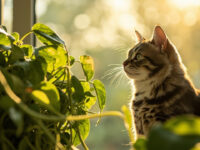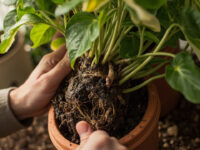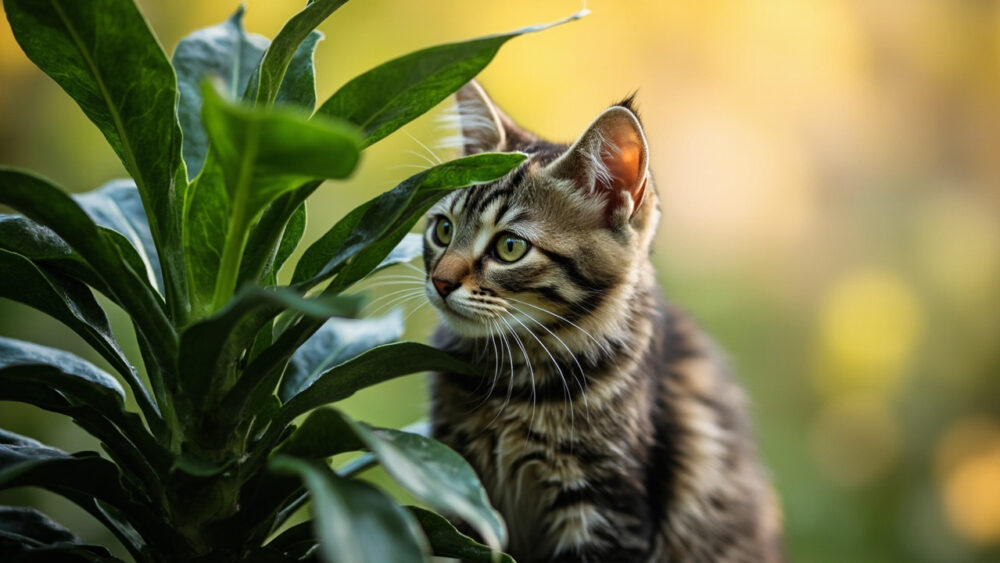
Yes, the ZZ plant (Zamioculcas zamiifolia) is toxic to cats. Every part of it, from the glossy leaves down to the underground rhizome, contains calcium oxalate crystals that irritate the mouth, throat, and stomach if chewed or swallowed. The good news, and it is real good news, is that ZZ plant poisoning is almost never life-threatening. The bad news is that a lot of pet owners misjudge how much exposure actually matters.
So this page answers the yes or no fast, then gets into the part most articles skip: how much your cat actually has to eat to be at risk, what the reaction really looks like versus what people assume it looks like, and what to actually do in the first hour after you find chewed leaves on the floor.
Stick around for the quick-reference card at the very bottom. It is built to save or screenshot so you have the whole answer sitting in your phone the next time this plant and this cat are in the same room.
The Straight Answer on Toxicity
ZZ plant is classified as toxic to cats, dogs, and humans by the ASPCA and most poison control references. The toxic agent is insoluble calcium oxalate, tiny needle-shaped crystals stored in specialized cells throughout the plant. When a cat bites into a leaf, those crystals release and physically puncture the soft tissue of the mouth and throat.
This is a mechanical injury as much as a chemical one. It is not the same category of toxin as something like lily, which attacks the kidneys, or sago palm, which damages the liver. ZZ plant poisoning is unpleasant and worth preventing, but it is not the same emergency tier.
That distinction matters, but it does not mean you get to relax completely.
How Much Exposure Actually Matters
A cat brushing against a ZZ plant or getting sap on its fur is not a poisoning event. The risk comes from chewing or biting into plant tissue, which ruptures the oxalate-containing cells and releases the crystals onto the tongue and gums.
One curious nibble, a single puncture of a leaf, usually causes immediate mouth pain and drooling. That discomfort is often the whole story, because it teaches most cats to stop on their own after one bite.
The real risk shows up with cats that keep chewing anyway, or kittens that treat a new plant like a toy. Ingesting larger amounts, or repeated chewing over the rhizome or stem base where the crystal concentration runs higher, raises the odds of real gastrointestinal upset.
Sap contact with skin can also cause mild irritation on its own, separate from any eating.
The Signs Everyone Gets Wrong
People expect vomiting first. What actually shows up first, in most cases, is oral pain: drooling, pawing at the mouth, and reluctance to eat, because the crystals irritate the mouth before anything reaches the stomach.
Watch for these signs after any suspected chewing:
- Excessive drooling or foaming
- Pawing at the mouth or face
- Visible swelling of the lips, tongue, or gums
- Vomiting
- Refusing food or water despite seeming hungry
- Redness or irritation around the mouth
Swelling severe enough to affect breathing or swallowing is rare with ZZ plant specifically, but it is exactly the kind of thing that separates “watch closely” from “go now.”
None of these signs tell you how bad it is on their own, which is why the next section matters more than symptom-spotting.
What to Actually Do If Your Cat Ate It
Call your veterinarian or a pet poison hotline right away if you catch your cat chewing on ZZ plant or find chewed leaves and a cat acting uncomfortable. Do this even if the signs look mild so far, because mouth pain in cats can escalate over the first hour or two.
Before you call, take thirty seconds to gather information that actually helps the vet:
- How much plant material is missing or chewed
- When you think it happened
- What signs you are seeing right now
- Your cat’s approximate weight
If you can, bring a leaf or a photo of the plant with you to the vet visit or have it ready to describe, since accurate identification speeds everything up.
Do not try to make your cat vomit, rinse the mouth with anything, or give any home remedy without a vet directing you to. Oxalate irritation responds to professional evaluation, not kitchen fixes, and the wrong home treatment can make oral irritation worse.
Once you know what to do in the moment, the smarter long-term move is avoiding the moment altogether.
Safer Plants to Grow Instead, or Alongside
If you love the ZZ plant’s look, glossy, upright, low-maintenance, you do not have to give up that style to get a cat-safe household. Several look-alikes and complementary houseplants deliver similar structure without the oxalate risk.
- Parlor palm: similar upright, architectural green and non-toxic to cats and dogs
- Areca palm: taller, feathery, pet-safe alternative for a statement corner plant
- Calathea varieties: bold patterned leaves, non-toxic, though fussier about humidity
- Ponytail palm: sculptural and low-water like ZZ plant, and considered pet-safe
- Peperomia: compact, glossy-leaved, pet-safe, good for shelves near where cats climb
None of these need the emergency call that a ZZ plant nibble can trigger, which is the whole point.
Whatever you choose to grow, the plan below is what you actually keep on hand.
ZZ Plant: Quick Reference
- Toxic to cats: yes, every part of the plant contains calcium oxalate crystals
- Most toxic parts: the rhizome and stem base carry the highest concentration, though leaves cause the most common exposure
- Typical severity: mild to moderate, mouth pain and drooling are more common than serious poisoning
- Common signs: drooling, pawing at the mouth, swelling of lips or tongue, vomiting, refusing food
- What to do: call your veterinarian or a pet poison hotline immediately for any suspected chewing or ingestion
- What not to do: do not induce vomiting or give home remedies without veterinary direction
- Safer swaps: parlor palm, areca palm, ponytail palm, and peperomia give a similar look without the risk
Keep this plant up high, out of paw’s reach, or skip it for one of the look-alikes above.
Either way, your cat’s curiosity is not going anywhere, so plan around it.