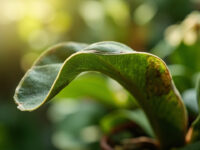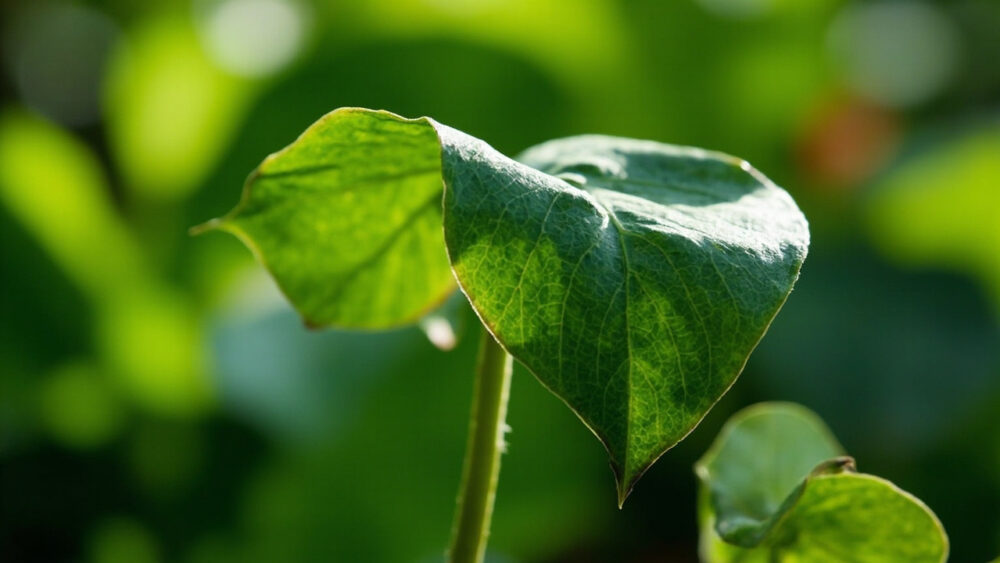
Nine times out of ten, hoya kerrii leaves curling means the roots are thirsty or the plant is sitting in soil that stayed wet too long between waterings, and the fix is adjusting your watering rhythm, not moving the plant to a sunnier window. Curling is the leaf’s way of reducing surface area to cope with stress, and water problems cause more of it than anything else. But water is not the only culprit, and guessing wrong wastes weeks on a plant that grows slowly to begin with.
Most people blame light first because that is the instinct with succulent-leaved plants, and it is usually the wrong call. The real tell is somewhere else on the plant: whether the curling starts on the oldest leaves near the base or the newest growth at the tips, and whether the leaf feels thin and papery or still plump but wrinkled. That single detail narrows this down fast.
Below is every real cause, ordered by how often it is the actual answer, with the exact test to confirm each one and the fix. Stick around for the tell-apart guide, the honest recovery odds for a hoya this stubborn, and the two-minute diagnosis checklist saved for the bottom of the page.
Most Likely Causes, Ranked
1. Underwatering or roots that dried out too long
Confirm it: press a finger into the soil two inches down. If it is bone dry and the pot feels light when you lift it, this is your answer. Leaves that curl from underwatering usually feel thinner and slightly softer than normal, even though hoya kerrii leaves are naturally thick and succulent.
Fix it by soaking the pot thoroughly until water runs from the drainage hole, then let the top inch or two dry out before the next watering. Hoya kerrii stores water in those heart-shaped leaves, so it tolerates missed waterings far better than soggy soil, which is why this is still the more common mistake in the other direction.
Get the watering rhythm right and half your curling problems disappear on their own.
2. Overwatering or soil that never fully dries
Confirm it: check the soil at the two-inch mark. If it is damp or wet and has been that way for more than a week, and the pot feels heavy, this is likely it. Leaves affected by overwatering often curl while still looking plump, sometimes with a slightly darker or yellowed cast, and the soil may smell sour.
Fix it by holding off water completely until the soil dries at least an inch down, and check that the pot actually drains. A cache pot with no hole trapping water at the bottom is one of the most common hidden causes here.
If the roots have been sitting wet for weeks, there is a second problem worth checking before you move on.
3. Root rot from prolonged overwatering
Confirm it: slide the plant out of its pot and look at the roots. Healthy hoya roots are firm and light tan to white. Rotted roots are brown or black, mushy, and may smell unpleasant.
Fix it by trimming away every rotted root with clean scissors, letting the remaining healthy roots air dry for an hour, and repotting into fresh, fast-draining succulent or aroid mix. Water sparingly for the next few weeks while new roots establish.
This is the cause that turns a simple watering fix into an actual repotting job.
4. Too much direct sun or heat stress
Confirm it: look at which leaves are curling. Sun stress shows up on the leaves facing the window, often with a bleached, pale, or slightly crispy patch on the side that gets direct afternoon light.
Fix it by moving the plant a foot or two back from the glass, or switching to bright indirect light such as an east-facing window or a few feet inside a south or west window with a sheer curtain. Hoya kerrii likes bright light but scorches in hot, direct afternoon sun through glass.
Notice the curling is only on one side of the plant, this cause usually is not it.
5. Low humidity or dry indoor air
Confirm it: this shows up most in winter with the heat running, or in very dry climates. New growth curls and stays small, while older leaves are usually fine.
Fix it with a humidifier nearby, grouping plants together, or a pebble tray. Do not mist the leaves as a substitute, since misting evaporates in minutes and does little for sustained humidity.
Humidity problems are subtle and easy to miss, which is exactly why they get blamed less often than they should.
6. Cold drafts or temperature swings
Confirm it: think about where the pot sits. A spot near an exterior door, a drafty windowsill, or an air conditioning vent that blows directly on the plant will cause curling concentrated on the leaves nearest the draft.
Fix it by relocating the plant at least a few feet from the draft source. Hoya kerrii prefers temperatures in the 65 to 85 F range and sulks below 50 F.
If none of the environmental causes fit, there is one more thing worth ruling out.
7. Pests, most often mealybugs or spider mites
Confirm it: check the undersides of leaves and the crevices where leaves meet the stem for small cottony white clusters (mealybugs) or fine webbing and tiny moving specks (spider mites). Curling from pests is often paired with sticky residue or stippled, faded patches.
Fix it by isolating the plant, wiping leaves down with a damp cloth, and treating with insecticidal soap or neem oil, following the product label exactly on timing and reapplication. Untreated infestations spread to nearby plants fast.
Once you know which cause you are dealing with, the next step is confirming it is not actually two causes at once.
How to Tell the Causes Apart
Location on the plant matters most. Old, lower leaves curling first usually points to watering issues. New growth curling first points to humidity or nutrient-related stress. One-sided curling facing a window points to sun. Curling near a specific spot on the plant, like near a door or vent, points to drafts.
Leaf texture is the second clue. Thin, slightly deflated leaves lean toward underwatering. Plump but curling leaves lean toward overwatering or early root rot. Crispy edges point to sun or low humidity.
Pattern across the whole plant versus isolated leaves also tells you something, since pests and drafts tend to stay localized while water and light issues spread evenly.
With the pattern identified, the next honest question is whether the plant is actually going to bounce back.
Will It Recover?
Watering-related curling recovers well, usually within two to four weeks of correcting the schedule, since hoya kerrii is a resilient succulent-leaved plant once its roots are stable.
Sun and draft stress recover fully once the plant is relocated, though a badly scorched leaf will not un-scorch. It stays as a cosmetic scar until it is eventually shed.
Root rot has the most honest and least certain outlook. Catch it early and trim the damage, and the plant usually pulls through in a few months. Let it go untreated for weeks and you may lose the plant entirely, since hoya kerrii has a single thick leaf and stem structure with limited backup growth points, especially on young single-leaf cuttings.
Pest damage recovers once the infestation clears, typically over several weeks of consistent treatment.
Knowing the outlook only helps if you also stop the problem from repeating.
How to Keep It From Happening Again
Water on a check-first schedule, not a calendar. Feel the soil two inches down every time rather than watering on a fixed day, since light, temperature, and pot size all change how fast soil dries.
Use a pot with drainage, always. This one habit prevents more root rot than any soil mix choice.
Keep the plant in bright indirect light, a few feet from direct hot sun through glass, and away from heating vents, AC blasts, and drafty doors.
Check leaves monthly for early pest signs, since catching mealybugs early is a five-minute fix instead of a month-long treatment cycle.
Get these habits right and curling becomes rare enough that you will notice immediately when it happens again.
Diagnosis Checklist
- Check soil two inches down: if bone dry, suspect underwatering, if damp or wet for over a week, suspect overwatering.
- Lift the pot to feel its weight: unusually light points to dry roots, unusually heavy points to excess water.
- If overwatering is suspected, unpot the plant and inspect roots: firm and tan means fine, brown and mushy means rot.
- Look at which leaves curl first: oldest and lowest points to watering, newest growth points to humidity.
- Check for one-sided curling facing a window: this points to sun or heat stress from the glass.
- Note the plant’s location: near a vent, drafty door, or window means temperature stress is likely.
- Inspect leaf undersides and stem joints for webbing or cottony clusters: this confirms pests.
- Match your findings to the matching cause above, then apply that fix and recheck in two to three weeks.
Hoya kerrii is forgiving once you find the actual cause instead of guessing at light first.
Fix the water rhythm, give it a little breathing room from harsh sun and drafts, and most curling straightens itself out on its own timeline.