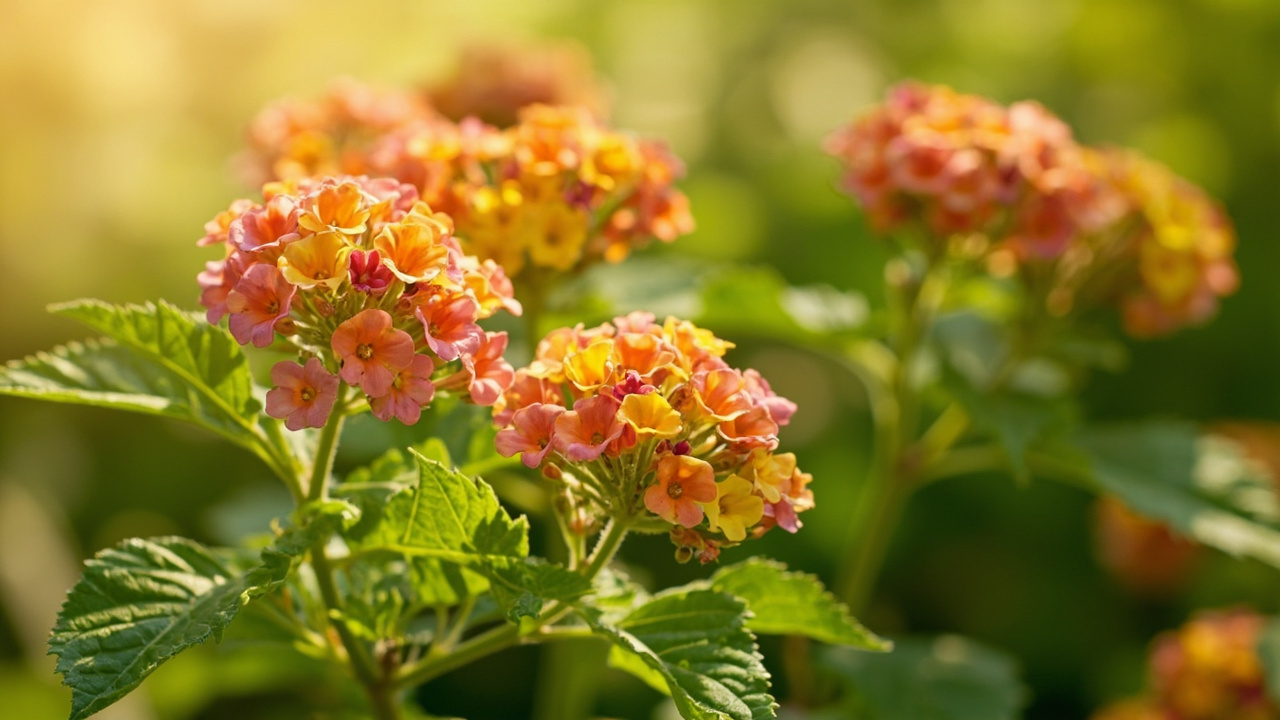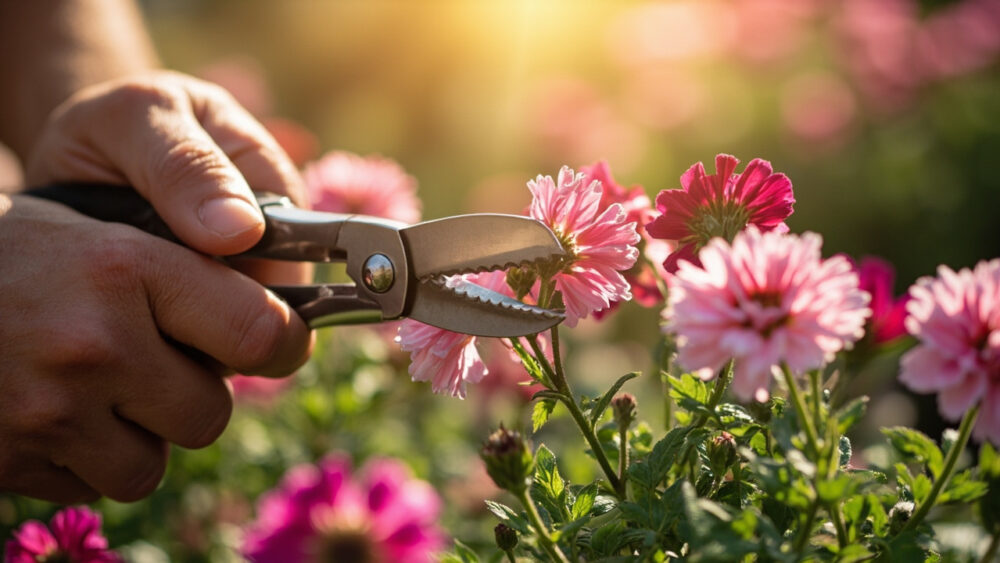
The short answer: deadhead dianthus all through bloom season by snipping spent flowers down to the first set of healthy leaves, then give the whole plant a hard shear back by about one-third to one-half after the main flush fades, usually mid to late summer. That single haircut is what triggers the second round of blooms most gardeners never get to see. How to prune dianthus correctly comes down to timing that cut right and not being afraid to take more than feels comfortable.
Most people who try this get gun-shy and snip a few dead flowers off the top, leaving the leggy stems behind. That is the mistake that quietly kills the second bloom before it starts.
There is also a sign almost everyone misreads on established clumps, a moment where the plant looks like it is dying when it is actually just done for the season. Stick with this and you will get the exact cuts, the tool prep that matters more than the tool itself, and a save-able Dianthus at a Glance card at the bottom for your phone.
When to Prune Dianthus, and When to Leave It Alone
Deadheading happens continuously through the bloom period, which for most dianthus runs late spring through mid summer, sometimes into fall in cooler climates. Any time a flower browns and shrivels, it is fair game to snip.
The bigger cut, the post-bloom shear, comes when the main flowering flush noticeably slows and you see more spent blooms than fresh ones. That is usually mid to late summer, but let the plant tell you rather than the calendar.
Do not shear a dianthus that has not bloomed yet, and do not do the hard cutback in fall right before frost. Cutting back late leaves too little time for regrowth to harden off before cold weather, and in colder zones that costs you the plant, not just the flowers.
Get the timing right and the tools matter a lot less than you think.
The Tools and the One Prep Step That Actually Matters
A pair of sharp bypass pruners or snips handles everything here. Kitchen scissors work fine on smaller clumps if that is what you have.
The prep step people skip: wipe the blades with rubbing alcohol before you start, especially if you have used them on anything with signs of fungal trouble like leaf spot or crown rot. Dianthus foliage is dense and low, and it holds moisture between stems, which makes it more prone to fungal issues than you would expect from such a tough-looking plant.
Dirty blades spread that around the clump in about the time it takes to make ten cuts. It is a thirty-second habit that prevents a problem you will not be able to undo later.
Once your blades are clean, the actual cutting is simple.
How to Prune Dianthus Step by Step
Deadheading during bloom
Follow the flower stem down from the spent bloom to where it meets a leaf node or a fork in the foliage. Cut there, not just below the flower head.
Leaving two inches of bare stem sticking up looks messy and does nothing for the plant. Cutting to the node keeps the clump tidy and redirects energy into the next bud.
The post-bloom shear
Once the main flush is mostly spent, cut the entire clump back by one-third to one-half its height. For a plant that is running 6 to 10 inches tall, that means taking it down to roughly 3 to 5 inches.
Cut straight across with shears, the way you would trim a small hedge, rather than hunting for individual stems. Speed matters less than consistency here, an even cut regrows evenly.
Leave the basal foliage alone. That low mat of grassy, often blue-green leaves at the base is the plant’s engine. Shear above it, never into it.
That is the whole technique, the results are where people start to worry.
What to Expect After You Cut
Right after the shear, the clump will look rough for one to two weeks. Bare stems, no flowers, a noticeably smaller footprint than you started with.
This is the moment everyone misreads. If you assumed a sheared-back dianthus looks like it is struggling, that guess is understandable but wrong. A dianthus that looks stalled two weeks after a hard cutback is usually just resting, not dying.
New basal growth shows up first as small tufts of fresh foliage low on the clump. Flower stems follow within three to five weeks in good conditions, faster in warm weather with regular water, slower in cool or dry spells.
If nothing at all happens after five or six weeks and the basal foliage itself looks brown and dry rather than green, that points to a root or crown problem instead of a normal pruning lull, and that is a different fix than more waiting.
Most of the time, though, patience is the only ingredient missing, and the mistakes below are what actually derail people.
The Mistakes That Cost You a Second Bloom
- Only snipping the flower, not the stem: leaves bare stalks that never rebloom and make the clump look scraggly all season.
- Being too timid with the shear: trimming an inch off a leggy clump does not trigger the same regrowth response as a real cutback to one-third or one-half its height.
- Cutting into the woody base: older dianthus develop a woody crown at the center. Cutting into that wood instead of above the green growth can kill the stem outright instead of encouraging new shoots.
- Shearing too late in the season: a hard cutback within a few weeks of your first fall frost leaves regrowth too tender to survive winter, particularly in zones 3 through 6.
- Ignoring dead centers: if the middle of the clump has gone bare and woody while the edges stay green, pruning alone will not fix it. That plant is telling you it is time to divide, not just trim.
Avoid those five and this plant will reward you with a real second flush, not just tidier foliage.
Dianthus at a Glance
- Deadhead: continuously through bloom, cutting spent flower stems down to the nearest leaf node or leaf fork.
- Hard cutback: once the main flush slows, usually mid to late summer, shear the whole clump back by one-third to one-half its height.
- How much to leave: never cut into the woody crown, and always leave the low basal foliage mat intact.
- Cutoff date: avoid hard pruning within four to six weeks of your first expected fall frost.
- Recovery time: new basal growth in one to two weeks, flowers again in three to five weeks with regular water and warm conditions.
- Tools: sharp bypass pruners or snips, wiped with rubbing alcohol before each session.
- When to divide instead of prune: if the center of the clump is bare and woody while the edges are still green.
Deadhead lightly and often, then take the hard cut with confidence once, mid season. That one well-timed shear does more for next month’s flowers than anything else you can do to this plant.