Growing tamarind means starting with a seed or grafted sapling in warm, frost-free soil, giving it full sun and room to become a real tree (30 to 50 feet at maturity), and then waiting. This is not a fast crop. A seed-grown tree takes 6 to 8 years to fruit, a grafted one closer to 3 to 4, and that single fact ends most people’s plans before they start.
If you already knew tamarind was slow, you probably did not know it also hates wet feet, resents a container more than most tropical fruit trees, and will drop its first few years of pods if you feed it wrong. That last one catches almost everyone who grows tamarind in a pot, thinking more fertilizer means more fruit.
Stick around and you will get the honest timeline, the planting steps that actually matter, the two problems that kill young trees, and the harvest window most people misjudge by weeks. There’s a save-able Tamarind at a Glance card waiting at the bottom once you have the full picture.
When to Plant Tamarind
Tamarind is strictly tropical to warm subtropical, hardy only in USDA zones 10 through 12. It does not tolerate frost at any age, and young trees can die at temperatures just below 32°F.
Plant in spring or early summer, once nighttime temperatures reliably stay above 50°F and soil has warmed past 65°F. Outside those zones, you are growing tamarind in a large container you can move indoors before any cold snap, full stop.
Gardeners in zones 8 and 9 sometimes try tamarind as a patio novelty, and that can work for years, right up until one hard freeze ends it permanently.
Get the timing right and the next question is where in the yard this tree actually belongs.
Choosing the Spot and Prepping the Soil
Tamarind wants full sun, six or more hours a day, and it wants to be planted where it can eventually spread a wide canopy without fighting your house, power lines, or a fence.
Soil matters more than people expect. Tamarind tolerates poor, sandy, even rocky soil, but it will not tolerate soggy soil. Standing water around the roots is the fastest way to rot a young tree.
Aim for well-drained soil with a pH between 5.5 and 7.5. If your yard holds water after rain, plant on a raised mound 12 to 18 inches high, or skip the ground entirely and use a large container with generous drainage holes.
Work compost into the top 12 inches of native soil before planting, but do not fertilize the hole itself, tamarind roots burn easily on fresh nutrients.
Once the site drains well and gets sun most of the day, you are ready to actually put the tree in the ground.
Planting Tamarind Step by Step
1. Start seed or sapling correctly
Fresh tamarind seeds germinate in 1 to 2 weeks if soaked in water for 24 hours first. Nick the hard seed coat lightly with a file or knife before soaking to speed things up.
Most gardeners who want fruit sooner buy a grafted sapling instead, since seed-grown trees take years longer and their fruit quality is less predictable.
2. Dig the hole
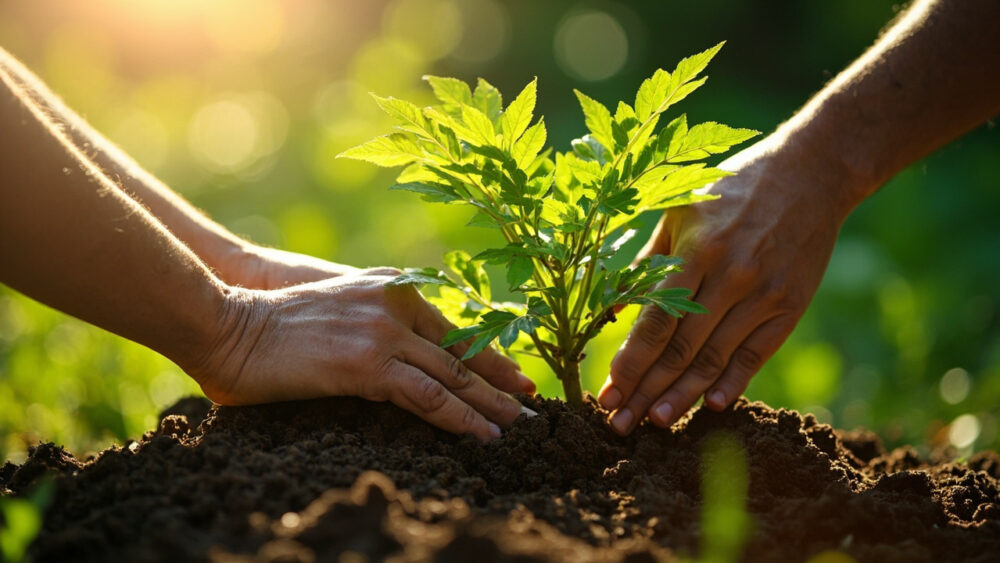
Dig a hole twice the width of the root ball and just as deep, so the tree sits at the same soil level it was growing at in the nursery pot. Planting too deep is the single most common mistake, it suffocates the root crown and stalls growth for a full season.
3. Space for the mature size
Space trees 25 to 40 feet apart if planting more than one. Tamarind gets large, and crowding it now means fighting it with a chainsaw in fifteen years.
4. Backfill and water in
Backfill with the amended soil, firm it gently, and water deeply right away to settle air pockets around the roots. Skip fertilizer at planting, let the tree establish first.
The tree is in the ground, but the next few months of watering decide whether it actually takes.
Watering and Feeding Through the Season
If you assumed a tropical tree wants constant moisture, that guess is what kills most young tamarinds. This tree is remarkably drought-tolerant once established and far more likely to die from overwatering than under.
For the first year, water when the top 2 to 3 inches of soil feel dry, roughly once or twice a week depending on heat and rainfall. After that, established trees need supplemental water only during extended dry spells.
Feed lightly. A balanced fertilizer applied two to three times during the growing season is enough. Heavy nitrogen pushes leafy growth at the expense of flowers and pods, which is exactly why containerized trees so often grow lush and fruit poorly.
Container-grown tamarind needs closer attention, since pots dry out faster and hold less of a buffer for mistakes.
Water and feed with restraint, and the tree rewards you by mostly taking care of itself, but that does not mean nothing will go wrong.
Problems That Actually Strike Tamarind
The two real threats are root rot from poor drainage and scale or aphid infestations on new growth, and both are manageable if you catch them early.
- Root rot: yellowing leaves plus soggy soil means water backed up around the roots, improve drainage immediately or the tree will not recover.
- Scale and aphids: sticky residue and stunted new leaves signal an infestation, treat with insecticidal soap or horticultural oil following the product label exactly.
- Sooty mold: black film on leaves usually follows a scale or aphid problem, clear the pest first and the mold fades on its own.
- Frost damage: blackened, wilted leaves after a cold night mean move containers indoors next time, there is no fixing frost damage once it happens.
Most established, well-drained trees shrug off pests entirely and the real risk shrinks down to one thing: cold.
Assuming the tree survives its early years and the weather cooperates, the last open question is when any of this turns into actual fruit.
When and How to Harvest Tamarind
Pods are ready when the shell turns brown and brittle and rattles slightly if you shake the branch, unlike the green, plump pods of a few months earlier. This usually happens in late winter to early spring in most growing regions, though exact timing shifts with local climate.
If you assumed ripe meant the pod snaps clean off green and firm, that is backwards, green pods are sour and underdeveloped. Wait for the shell to dry and darken.
Twist or clip pods free by hand rather than pulling, which can strip bark from young branches. A mature tree can produce for decades, with yields increasing steadily as the canopy fills in over its first ten to fifteen years.
Cracked pods reveal a sticky brown pulp around hard seeds, that pulp is the tamarind of every recipe you have ever cooked with it.
That is the entire arc from seed to harvest, and here is the short version worth saving.
Tamarind at a Glance
- When to plant: spring to early summer, once nights stay above 50°F and soil is past 65°F, zones 10 to 12 only outdoors.
- Spacing: 25 to 40 feet apart for mature trees, more if you have the room.
- Planting depth: same level as the nursery pot, never deeper, roots need the crown exposed.
- Sun and soil: full sun, six or more hours daily, well-drained soil with a pH of 5.5 to 7.5.
- Watering: regular moisture the first year, then drought-tolerant, water only in extended dry spells once established.
- Time to fruit: 6 to 8 years from seed, 3 to 4 years from a grafted sapling.
- Harvest sign: pods turn brown, brittle, and rattle slightly, usually late winter into early spring.
Tamarind rewards patience more than effort, the soil and sun matter, but time is the real ingredient.
Get the drainage right and the years take care of the rest.