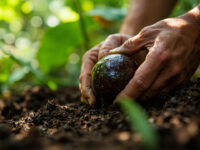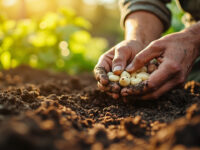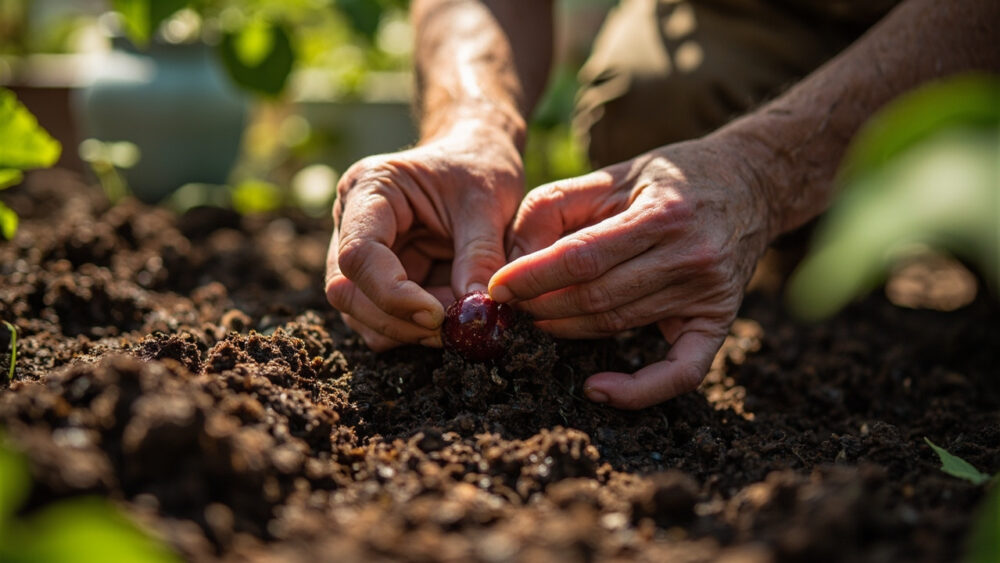
Growing cherries from seed starts with pulling the pit from a ripe cherry, cleaning off every bit of fruit flesh, and giving that pit a cold, damp winter it thinks is real, usually 10 to 12 weeks in the fridge, before it will sprout at all. Skip that cold stretch and you can plant a hundred pits and get nothing. Get it right and you will have a seedling in a pot within a month, though a tree that fruits is still four to seven years out.
Here is what almost nobody tells you going in: the cherry you get from seed is a genetic roll of the dice, not a copy of the parent fruit. That sweet Bing you ate may grow into a tree that makes small, sour, forgettable cherries. It might also surprise you. Either way, you are growing a seedling tree, not a clone, and that changes what you should expect from year one all the way to harvest.
There is a specific stratification mistake that kills most home attempts before the pit ever sees soil, and a very common early sign of trouble that people misread as the seed dying when it usually means the opposite. Stick with me through the steps and I will flag both. At the bottom you will find a save-able Cherries at a Glance card with the numbers you will actually want to check again next week.
When to Start Cherry Pits
Cherry seeds need a cold period to break dormancy, so timing works backward from when you want to plant outside. Start stratification about 12 to 14 weeks before your last expected frost date. That gives you 10 to 12 weeks of cold treatment plus a couple weeks of buffer for germination before it is safe to move seedlings outdoors.
Direct sowing outdoors in fall is the low-effort version, letting winter do the stratification for you, and it works well in zones 5 through 8 where you get a real winter but not brutal, prolonged deep freezes. In colder zones or if you want more control, the fridge method beats leaving pits to the elements and rodents.
Either path, the clock that matters is cold weeks, not calendar dates.
Sowing Step by Step
- Clean the pit: scrub off all fruit flesh, since leftover sugar invites mold during stratification.
- Stratify: tuck pits in a zip bag with slightly damp peat moss or a paper towel, and refrigerate at 34 to 41°F for 10 to 12 weeks.
- Check weekly: mold means too wet, so air it out; a shriveled, hard pit with no give means too dry.
- Plant depth: once you see a cracked shell or a root tip, sow 1 inch deep in a 4 to 6 inch pot with well-draining potting mix.
- Light and warmth: keep the pot at 65 to 75°F near a bright window or under grow lights once shoots appear; the cold is only needed before germination, not after.
The waiting part is where most people quit, and that is exactly where the next mistake shows up.
The Mistake That Ruins Most Attempts
If you assumed the danger is the fridge stage being too cold, that is backward. The real killer is inconsistent moisture during stratification, either a bag that dries out completely or one so wet the pits rot before they ever crack.
Check the bag every 7 to 10 days. The medium should feel like a wrung-out sponge, not dripping, not crumbly.
The second common mistake is impatience: pulling pits early because nothing seems to be happening. Nothing visible happening for 8 weeks is normal, not a failure.
Knowing what normal looks like is half the battle, and germination has its own timeline you need to trust.
Germination: What to Expect and When to Worry
Once pits are potted after stratification, expect a shoot in 2 to 4 weeks at 65 to 75°F. Some pits lag behind and take 6 weeks, and that is still within normal range for cherry.
Here is the sign everyone misreads: a split, cracked pit shell before any green shows. People assume that means the seed is dying or damaged.
A split shell is actually the good signit means the root is pushing out and germination is underway, not that something went wrong.
What should worry you instead is a pit that goes soft, mushy, or smells sour. That one is done, and no amount of extra time fixes it.
If you planted several pits, expect an uneven stand, and that unevenness is normal too, not a verdict on your technique.
Once true leaves appear, past the first pair of rounded seed leaves, the seedling is ready for stronger light and its first real test outdoors.
Hardening Off and Transplanting
Seedlings started indoors need 7 to 10 days of hardening off before they live outside full time. Set them outside in a sheltered, shaded spot for an hour the first day, and add an hour or two daily, working up to full sun and a full day.
Transplant to the ground or a larger container once night temperatures reliably stay above 45 to 50°F and all frost risk has passed for your area.
Choose the spot with real thought: cherries want full sun, at least 6 hours daily, and soil that drains well, since wet feet are one of the fastest ways to lose a young cherry tree.
Space seedlings at least 15 to 20 feet apart if you are growing more than one to a mature size, though you can start closer in nursery rows and move them later.
Dig a hole as deep as the root ball and twice as wide, set the seedling at the same depth it sat in the pot, and water in well.
Getting a seedling into the ground safely is only step one of a season that runs for years, not weeks.
Care Through the Season
Young cherry trees want consistent moisture their first two seasons, roughly 1 inch of water a week between rain and irrigation, tapering off once established.
Mulch 2 to 3 inches deep around the base, keeping it a few inches back from the trunk, to hold moisture and keep grass competition down.
Skip heavy fertilizing the first year. A light feeding of balanced fertilizer in early spring of year two is plenty. Overfeeding pushes soft growth that winter cold can damage.
Watch for aphids curling new leaf tips and for brown, sunken spots that can signal fungal disease in humid climates. For anything beyond minor aphids, a general fruit tree fungicide or insecticide labeled for cherries, used exactly per the label, is the right tool.
Prune lightly in late winter while dormant, removing crossing branches and anything growing straight up through the center, to build an open, sturdy shape.
All that season-by-season care is really just buying time until the tree is mature enough to do the one thing you actually planted it for.
The Honest Timeline to Bloom and Harvest
Here is the follow-up question everyone has and few want to hear answered straight: a cherry tree grown from seed typically needs 4 to 7 years before it flowers and fruits, sometimes longer.
That is years longer than a grafted nursery tree, which can fruit in 2 to 3 years, because grafted trees are cut from mature wood while your seedling has to grow up from scratch.
Sweet cherries also need a second, genetically different tree nearby for pollination in most cases, so a single lonely seedling may bloom for years without setting fruit no matter how healthy it looks. Sour cherry types are often self-pollinating, which is one more reason it matters which pit you started with, even though you likely will not know for certain.
When bloom finally comes, expect white to light pink flowers in early spring, followed by fruit that ripens over 60 to 90 days depending on variety and climate.
The fruit itself, when it finally arrives, is the real test of what that seed was carrying all along.
Cherries at a Glance
- When to start: begin cold stratification 12 to 14 weeks before your last frost, needing 10 to 12 cold weeks total.
- Stratification temp: 34 to 41°F in the refrigerator, medium kept lightly damp, never soggy.
- Planting depth: 1 inch deep once a pit has cracked or shown a root tip.
- Germination time: 2 to 4 weeks at 65 to 75°F after stratification, up to 6 weeks for slow pits.
- Transplant timing: move outdoors after hardening off, once nights stay above 45 to 50°F with no frost risk.
- Spacing and sun: full sun, 6 or more hours daily, 15 to 20 feet apart at maturity.
- Time to fruit: 4 to 7 years from seed, and sweet types usually need a second tree nearby to pollinate.
The seed itself is the easy part. The patience for four to seven years is the real ingredient.
Start more pits than you think you need, since not every one will sprout, and let the strongest seedlings decide your orchard for you.