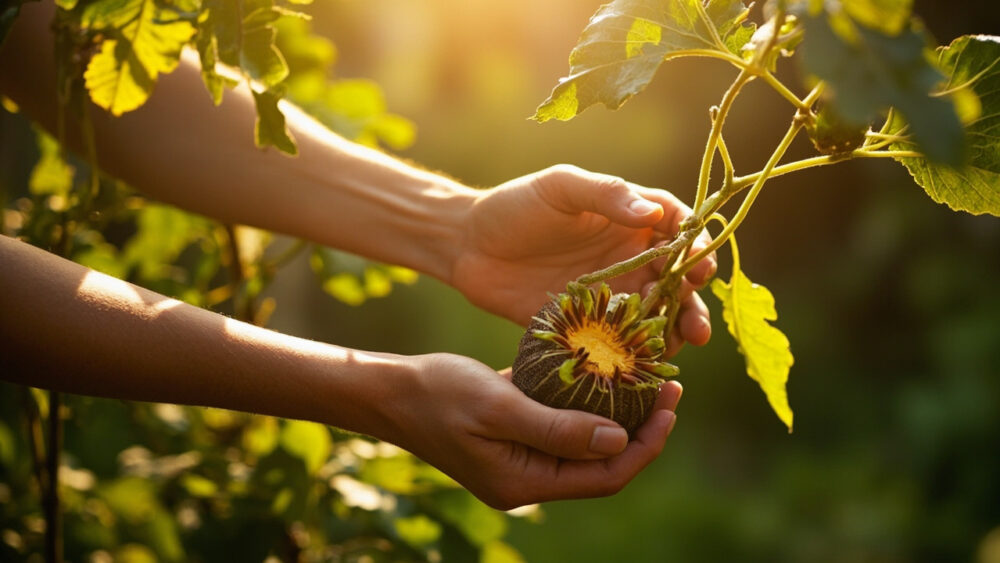
Growing passion fruit means planting a vigorous tropical vine in full sun after all frost danger is gone, giving it a sturdy trellis or fence, and being patient enough to wait 18 months to 2 years for your first real harvest. It is not a hard plant to grow in the right climate. It is an easy plant to kill with the wrong pot, the wrong pollination, or one hard freeze you did not see coming.
Here is what nobody tells you upfront. Most vines that fail to fruit are not sick, they are unpollinated, and the fix has nothing to do with fertilizer. There is also a sign on the vine, weeks before harvest, that tells you exactly when to stop waiting and start checking the ground, and almost everyone misses it. And if you are growing this in a container or a cooler zone, there is an honest answer about whether you will ever get fruit at all, which I will give you straight.
Stick with me through the growing steps and I will hand you a save-able Passion Fruit at a Glance card at the very bottom with the numbers you actually need on your phone while you are standing at the nursery or out at the vine.
When to Plant Passion Fruit
Passion fruit is tropical to subtropical and has zero tolerance for frost. Plant outdoors only after nighttime lows are reliably staying above 50°F and soil temperature has warmed into the mid 60s or better, which usually lands 2 to 4 weeks after your last spring frost date.
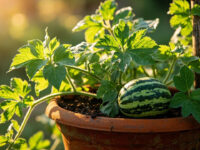
This plant is realistically an outdoor perennial only in USDA zones 9b through 11. In zones 7 to 9a, you can grow it as a container plant that comes inside for winter, or treat it as an annual and accept you may not get fruit before frost ends the season.
If you are starting from seed, know that seed-grown vines take longer to fruit and are notoriously slow and inconsistent to germinate. Most home growers get faster, more reliable results starting from a nursery-grown vine or a rooted cutting.
Get the timing right and the next decision, where you actually put this thing, matters just as much.
Choosing the Spot and Prepping the Soil
Passion fruit wants full sun, 6 to 8 hours a day minimum, and shelter from strong wind, which shreds the leaves and knocks flowers off before they set fruit. This is a vine that will climb 15 to 20 feet in a single season once established, so pick a spot with a fence, arbor, or heavy-duty trellis already in place before you plant, not after.
Soil should be well-draining and slightly acidic to neutral, in the 6.0 to 6.5 pH range. Heavy clay that holds water is the fastest way to rot the roots.
Work in several inches of compost or aged manure across the planting area, and if drainage is questionable, plant on a slight mound or raised bed. Passion fruit is a hungry, fast-growing vine and rewards you for building good soil up front rather than trying to fix it later with fertilizer alone.
With the site chosen, planting day itself is where a few small mistakes cost people their whole first season.
Planting Passion Fruit Step by Step
1. Dig the hole
Dig a hole roughly twice the width of the root ball and just as deep, so the crown of the plant sits at the same soil level it was growing at in the pot. Planting too deep is a common way to invite crown rot.
2. Space for the mature vine, not the seedling
Space plants 10 to 15 feet apart if you are growing more than one along a fence line. This feels absurd when you are holding a 6 inch seedling, but the vine will fill that space within a year or two.
3. Set and backfill
Loosen the root ball gently, set it in the hole, backfill with your amended soil, and firm it down without compacting it hard. Water deeply right away to settle the soil around the roots.
4. Mulch and tie in
Add 2 to 3 inches of mulch around the base, keeping it a few inches clear of the stem. Loosely tie the young vine to its trellis or support so it starts training upward instead of sprawling along the ground.
Once it is in the ground and climbing, the real work shifts to keeping it fed and watered through a long growing season.
Watering and Feeding Through the Season
Water deeply and consistently, aiming for the equivalent of about 1 to 2 inches of water a week, more during hot dry stretches and less if you are getting regular rain. The soil should stay evenly moist but never waterlogged, check by pushing a finger 2 inches down; if it is dry there, water.
Feed with a balanced fertilizer, something like a 10-10-10 or a formula slightly higher in potassium and phosphorus, every 6 to 8 weeks during active growth. Too much nitrogen gives you a jungle of leaves and very little fruit, which is a frustrating trade nobody wants.
Prune after the main flush of fruiting each year, cutting back old woody growth by about a third. This encourages new flowering wood, since passion fruit blooms mainly on new growth from the current season.
Feeding and pruning keep the vine productive, but they will not save you from the one thing that actually determines whether you get fruit at all.
The Real Reason Vines Bloom but Never Fruit
If you assumed a flowering vine with no fruit needs more fertilizer, that guess is exactly backwards and it is the single most common reason home growers strike out. Passion fruit flowers are open for less than a day, and many varieties are poor self-pollinators or need help from large bees like carpenter bees to move pollen between flower parts.
In areas with few pollinators, or in cooler mornings when bees are not active yet, you can hand-pollinate. Use a small paintbrush or cotton swab to transfer pollen from the flower’s anthers to the sticky stigma in the center, done in mid to late morning when the flower is fully open.
Beyond pollination, watch for a few common problems: aphids and spider mites on new growth, fungal spotting on leaves in overly humid or wet conditions, and root rot from soil that never dries between waterings. Cultural fixes go a long way: improve airflow by pruning crowded growth, water at the base instead of overhead, and remove badly affected leaves promptly. If an infestation is heavy, an insecticidal soap or a labeled fungicide can help; always follow the product label exactly.
Solve pollination and keep the pests in check, and the vine will finally tell you it is ready in a way you cannot mistake.
When and How to Harvest
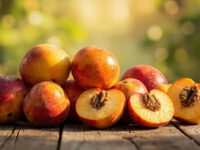
Passion fruit does not ripen further once picked, so timing is everything, and here is the sign most people misread. The fruit is ready when it falls from the vine on its own, not when it looks colorful while still attached. Depending on variety, ripe fruit is deep purple or bright yellow, and the skin wrinkles slightly as it ripens.
Rather than waiting to spot fallen fruit in the mulch, many growers check the ground beneath the trellis every day or two once vines start blooming, about 70 to 80 days after a flower is pollinated. A wrinkled skin and a slightly hollow, lighter feel in the hand both mean it is at peak ripeness.
First fruit typically shows up 12 to 18 months after planting a young vine, sometimes stretching to 2 years for seed-grown plants. Established vines in warm climates can produce two harvest flushes a year, one in late spring to summer and another in fall.
That first fallen fruit is the payoff for a long wait, and everything you need to remember about getting there is right below.
Passion Fruit at a Glance
- When to plant: outdoors once nights stay above 50°F and soil has warmed into the mid 60s, roughly 2 to 4 weeks after last frost.
- Best zones outdoors: USDA 9b to 11 as a perennial, grow in a container or as an annual in cooler zones.
- Spacing and support: 10 to 15 feet apart along a sturdy trellis, fence, or arbor, full sun 6 to 8 hours a day.
- Soil: well-draining, slightly acidic, pH 6.0 to 6.5, enriched with compost before planting.
- Watering and feeding: about 1 to 2 inches a week, balanced fertilizer every 6 to 8 weeks, avoid excess nitrogen.
- Pollination: hand-pollinate mid to late morning if fruit set is poor, flowers open less than a day.
- Harvest: pick or gather fruit once it drops naturally, wrinkled skin and a hollow feel mean peak ripeness, first fruit in 12 to 18 months.
Get the sun, the support, and the pollination right, and this vine does most of the rest of the work itself.
Everything else is patience.