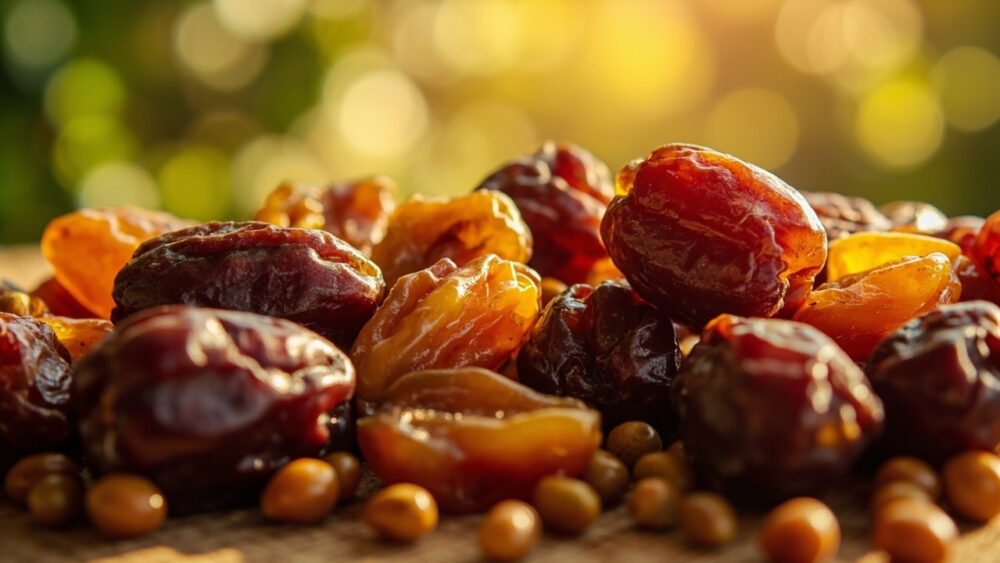
The one fact that narrows this choice fast: dates split into soft, semi-dry, and dry types, and that texture category matters more than the name on the tag. Soft dates like Barhee eat fresh off the tree and rot fast in storage. Dry types like Thoory were bred for the trade routes, not the fruit bowl, and they will outlast your pantry shelf by years.
Most beginners pick date varieties based on which name they have heard at the grocery store, which usually means Medjool, and that is not always the right call for a home yard. Medjool wants serious heat and a long, dry season to size up properly. If you are gardening anywhere with humidity or short summers, there are quieter choices that will actually fruit for you.
Number 13 on this list is the one almost nobody grows on purpose, and it is quietly one of the best dates for a small yard. The final entries and the real method for choosing, covering space, climate, and how much fuss you want to deal with at harvest, are waiting at the bottom.
The Classic Soft Dates
These are the fresh-eating dates, the ones that taste like caramel off the tree but bruise and ferment fast once picked.
1. Medjool
The one everyone asks for, Medjool is a large, meaty, deeply sweet date that needs a long, hot, low-humidity growing season to size up properly. It is the standard for California and Arizona-style desert climates, USDA zones 9 to 11, and it sulks badly anywhere summers are short or damp.
2. Barhee (Barhi)
The connoisseur’s fresh date, Barhee is often eaten at the khalal stage, when it is still crunchy, yellow, and closer to an apple in texture than a raisin. It ripens earlier than Medjool and tolerates slightly cooler nights, making it a better bet for growers just outside the hottest desert belts.
3. Halawy
The soft-date workhorse, Halawy produces reliably heavy crops of amber to light brown fruit with a honey-forward flavor. It is more forgiving of humidity swings than Medjool and is a common choice for growers who want volume over show.
4. Khadrawy
The one old-timers protect from wind, Khadrawy has thin, delicate skin that splits easily in rain or high humidity right before harvest. Grown right, in a dry pocket with good airflow, it gives soft, syrupy fruit that many longtime growers rate above Medjool for flavor.
Soft dates get the attention, but the dry types are what actually put dates on the map for centuries.
The Dry and Semi-Dry Workhorses
These are lower in moisture at harvest, which means less mess, longer shelf life, and more tolerance for a climate that is not bone dry.
5. Deglet Noor
The everyday commercial date, Deglet Noor is semi-dry, firm, and nutty rather than syrupy, which is exactly why it holds up so well in baking and shipping. It handles a slightly wider range of desert and near-desert climates than Medjool and is the backbone of most commercial date orchards in North Africa and the American Southwest.
6. Thoory
The dry date bred to last, Thoory is chewy, low in moisture, and was historically the type packed for long trade caravans because it simply does not spoil. It is not a fruit you eat by the handful fresh off the tree, but for pantry storage without refrigeration it has no real rival on this list.
7. Zahidi
The forgiving semi-dry option, Zahidi is smaller, golden, and less demanding about exact harvest timing than most soft dates, since it does not turn to mush if left on the tree a little longer. It is a good pick for a first-time date grower who wants a wider margin for error.
8. Amir Hajj
The one you rarely see for sale, Amir Hajj is a semi-dry Iraqi variety with a firm, sugary bite closer to a dried fig than a syrupy Medjool. It is grown mostly by enthusiasts and specialty collectors in the US, which makes it worth seeking out if you want something your neighbors have never tasted.
If you assumed the driest dates would taste bland, that guess is backwards, since low moisture usually means concentrated sugar, not less of it.
Dates Bred or Selected for Cooler and Coastal Climates
Most date palms want desert heat, but a handful tolerate coastal fog, marine air, or a shorter hot season better than the rest.
9. Iteema
The soft date with more patience for humidity, Iteema was selected in parts of the Middle East where air is less bone-dry than the classic Saharan growing regions. It still needs real heat to fruit well, but it tolerates humid nights that would crack the skin on a Khadrawy.
10. Dayri
The dark, long, soft date, Dayri produces elongated, near-black fruit and tends to hold quality slightly better under variable humidity than most soft types. It is a good middle ground for growers in warm coastal valleys who cannot promise a bone-dry desert summer.
11. Abbada
The lesser-known heat lover with decent tolerance, Abbada is grown in pockets of the Middle East where summer humidity spikes occasionally rather than staying low all season. It will not thrive in true coastal fog, but it shrugs off the occasional humid week better than Medjool does.
Climate tolerance only gets you so far, though, since a date palm’s real limiting factor is almost always size.
Dates for Small Yards and Containers
Full-size date palms reach 60 to 80 feet and take 4 to 8 years to fruit, which rules them out for most home yards outright. These options keep things manageable.
12. Dwarf Date Palm (Phoenix roebelenii)
Grown for its look, not its fruit, the pygmy date palm tops out around 6 to 12 feet and works well in containers or tight urban lots. It produces small, unremarkable dates that are edible but not worth the effort, so grow this one for the ornamental fronds, not the harvest.
13. Container-Grown Barhee (on dwarfing rootstock or kept root-bound)
The one almost nobody tries on purpose, a Barhee kept in a large container and root-restricted stays smaller and more manageable than a field-planted palm, though it will still eventually need a greenhouse or very mild winter to fruit reliably. It is slow, it takes real patience, and it will never match a desert-grown tree for yield, but for a determined grower in a marginal climate it is the closest thing to a real, edible date crop in a backyard-sized footprint.
14. Medjool on Suckers from Container Mother Plants
The compromise for warm-zone small yards, growers in zones 9 to 10 with limited space sometimes keep Medjool offshoots in large pots for the first several years to control size before ever committing to an in-ground planting. It buys you time to confirm your microclimate can actually support fruiting before you dig a permanent hole.
15. Halawy Offshoots for Small-Lot Orchards
The practical pick for a backyard row, because Halawy suckers root readily from offshoots and the resulting palms stay a bit more manageable in the first decade than a Medjool of the same age. If you want more than one tree but only have room for a short row, this is the variety growers reach for.
Once you have narrowed by texture and climate, the last decision is simply matching the tree to your space and your patience.
How to Choose the Right One
- Space first: if you do not have room or years to spare for a 60 to 80 foot palm, look at dwarf ornamentals or container-restricted growing before you fall for a fruiting variety.
- Climate second: true desert heat with low humidity favors Medjool and Khadrawy, while warm coastal or semi-humid areas do better with Iteema, Dayri, or Zahidi.
- Purpose third: decide if you want fresh eating, which points to soft dates like Barhee or Halawy, or long storage, which points to Thoory or Deglet Noor.
- Pollination reality: date palms are typically dioecious, meaning you need a male pollen source near your female fruiting tree, either a male palm nearby or hand pollination at bloom time.
- Care appetite last: soft dates like Khadrawy need close attention to harvest timing and weather, while semi-dry types like Zahidi forgive a missed week or two.
- Time horizon: expect 4 to 8 years before a young palm fruits, so choose based on the climate and space you will have then, not just what fits today.
Pick the texture you actually want to eat, match it to the heat your yard can deliver, and let the palm’s mature size rule out anything your space cannot handle.
Get those three things right and the variety name on the tag stops mattering nearly as much as everyone thinks it does.