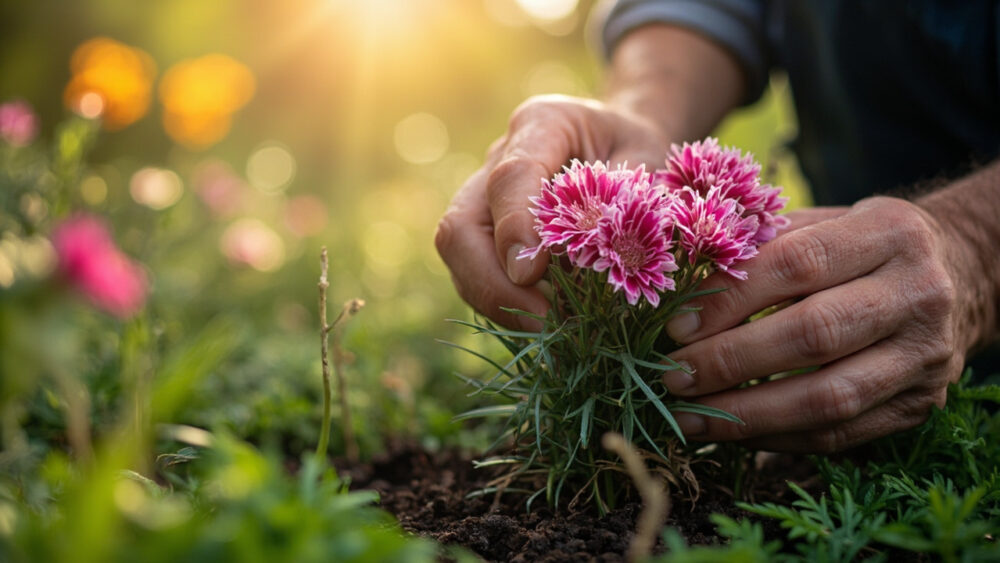
Growing dianthus starts with getting the timing and drainage right, because this plant would rather sit in mediocre soil than wet feet. Plant it two to three weeks before your last frost into soil that drains fast, give it full sun and room to breathe, and it will reward you with clove-scented blooms from late spring into fall. That is the whole game with how to grow dianthus successfully, but the details decide whether you get a tidy mound of flowers or a mushy patch of dead stems by July.
Here is what trips people up. The mistake that kills more dianthus than any pest or frost is treating it like a thirsty annual bedding plant and watering it on a schedule instead of by feel.
There is also a sign most people misread completely when the center of the plant looks bare and woody after a year or two, and a straight answer coming on whether you should deadhead or just let it go to seed. Stick around, because the save-able Dianthus at a Glance card at the bottom has every number in one place for your phone.
When to Plant Dianthus
Dianthus is cold-hardy and actually prefers to get going while the air is still cool. Set transplants out two to three weeks before your average last frost date, once the soil has warmed to at least 45 to 50°F a few inches down. In most of zones 5 through 9 that lands in early to mid spring, though gardeners in zone 3 or 4 should wait until the ground has fully thawed and dried out a bit.
You can also plant a second round in late summer, six to eight weeks before your first fall frost, for bloom that carries into cooler weather. Skip planting in the heat of summer; young dianthus sulks and often rots when it’s hot and humid.
From seed, start indoors six to eight weeks before your last frost, or direct sow outdoors once nights stay above 50°F.
Get the calendar right and the next decision, where exactly to put it, matters just as much.
Choosing the Spot and Prepping the Soil
Dianthus wants six or more hours of direct sun and soil that drains fast enough that water never puddles. This is the plant’s one hard requirement, and it’s non-negotiable. Heavy clay that stays soggy after rain will rot the crown within a season no matter how much sun it gets.
Work in drainage before you plant, not after. Mix in an inch or two of compost plus coarse sand or fine gravel if your soil is dense, and consider a raised bed or mounded row if your yard holds water. Dianthus actually prefers soil on the lean side, slightly alkaline, with a pH around 6.5 to 7.5, so skip the rich, heavily amended beds you’d build for tomatoes.
Good air circulation matters almost as much as good drainage, since crowded, still air is what invites fungal trouble later.
Once the bed drains well and breathes well, the actual planting is the easy part.
Planting Dianthus Step by Step
1. Loosen and level the bed
Dig or fork the soil eight to ten inches deep so roots can spread without hitting compaction.
2. Space for airflow
Set plants 8 to 12 inches apart depending on the variety; taller border types like sweet William need closer to 12 inches, low mat-forming types can go at 8. Crowding is the fast track to the fungal problems covered below.
3. Plant at the same depth
Set the crown right at soil level, not buried. Planting too deep smothers the base and is a common reason transplants stall out.
4. Water in gently
Soak thoroughly right after planting to settle the soil around the roots, then let the top inch dry before watering again.
5. Mulch lightly, if at all
A thin layer of gravel or fine bark works better than thick organic mulch, which holds moisture against the crown.
Once it’s in the ground, the watering habits you build in the first month set the tone for the whole season.
Watering and Feeding Through the Season
If you assumed a wilting, sad-looking dianthus needs more water, that guess is what kills most of them. Check the soil an inch down with your finger first. Wilting combined with soil that’s already damp usually means root rot setting in, not thirst, and more water only speeds up the decline.
Water deeply but infrequentlyroughly once a week in average conditions, more often during a real heat wave, less once the plant is established and temperatures moderate. The goal is soil that dries slightly between waterings, never soil that stays wet.
Feed lightly. A balanced fertilizer at half strength once in early spring and again after the first flush of bloom is plenty. Too much nitrogen buys you lush leaves and fewer flowers, which is the opposite of what you’re growing this plant for.
Get the water and food dialed in and you’ve handled 80 percent of what actually threatens dianthus.
Problems That Actually Strike, and How to Head Them Off
The two real threats are crown rot and fungal leaf spot, and both come from the same root cause: too much moisture sitting where it shouldn’t. Rot shows up as a blackened, mushy base and a plant that suddenly collapses. There’s no saving that plant, only preventing the next one by fixing drainage. Leaf spot shows as brown or purple-ringed spots on foliage, usually from wet leaves and poor airflow.
Space plants properlywater at the soil line instead of overhead, and remove any collapsed or spotted foliage promptly. If fungal disease is a repeat problem in your climate, a fungicide labeled for ornamental leaf spot can help. Follow the product label exactly.
Aphids occasionally show up on new growth. A strong water spray or insecticidal soap applied per label directions handles them without much drama.
Dianthus is not considered toxic to cats, dogs, or people in the way lilies or foxglove are, but any plant material can cause mild stomach upset if a pet eats a large amount. If you notice vomiting, drooling, or lethargy after ingestion, call your veterinarian rather than waiting it out.
Handle drainage and spacing and you’ll rarely see either disease show up at all, which brings you to the payoff everyone’s actually here for: the blooms.
When and How to Harvest Dianthus Blooms
Dianthus blooms about 12 to 16 weeks from seed, or within a few weeks of transplanting established nursery plants, typically starting in late spring. Cut flowers for a vase once they’re fully open and the color has developed, early morning when stems are full of water. They hold in a vase for a week or more and carry that trademark clove scent indoors.
Now, the bare, woody center everyone misreads: it’s not disease and it’s not dying. It’s simply an older clump that’s outgrowing its own base, and the fix isn’t more fertilizer, it’s division. Every two to three years, lift and divide the clump in early spring or fall to keep it full and blooming well.
Deadhead spent blooms regularly by snapping or cutting the flower stem down to the foliage. This is what actually drives the plant to keep producing new buds through summer instead of going to seed and quitting early.
Everything above gets easier to remember once it’s boiled down to the numbers, which is exactly what’s waiting below.
Dianthus at a Glance
- When to plant: two to three weeks before your last frost, once soil hits about 45 to 50°F, or six to eight weeks before first fall frost for a second round.
- Spacing: 8 to 12 inches apart depending on variety, with the crown planted at soil level, never buried.
- Sun and soil: full sun, six or more hours a day, in fast-draining, slightly alkaline soil around pH 6.5 to 7.5.
- Watering: deeply once a week, checking soil an inch down first, letting it dry slightly between waterings.
- Feeding: balanced fertilizer at half strength in early spring and again after the first bloom flush.
- Bloom time: 12 to 16 weeks from seed or a few weeks after transplant, starting in late spring and continuing through fall with deadheading.
- Watch for: crown rot and leaf spot from excess moisture and crowding, prevented with good drainage and airflow, not treated after the fact.
Dianthus rewards restraint more than effort. Give it sun, sharp drainage, and a little neglect between waterings, and it will outlast most of what else you plant this year.