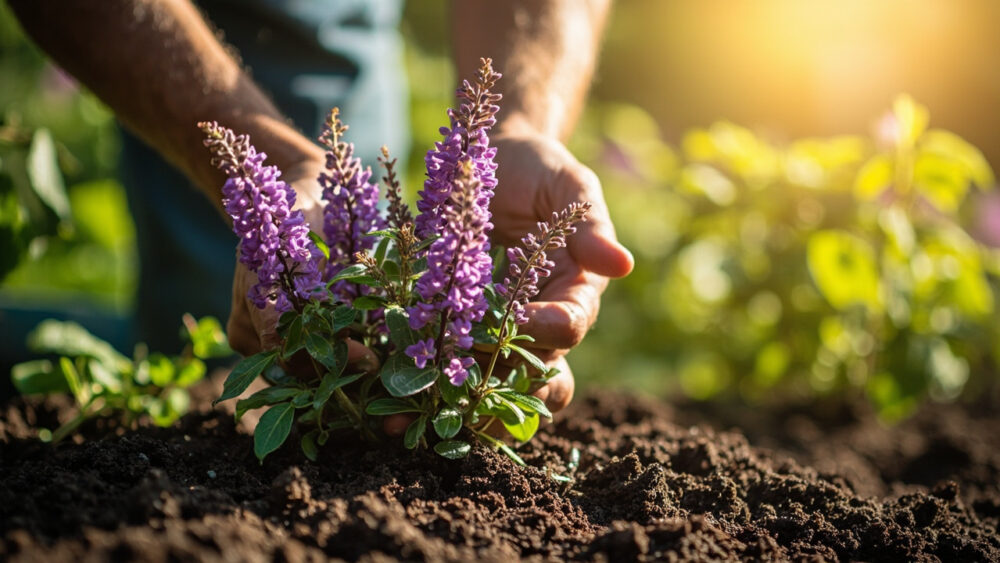
Here is how to grow butterfly bush without wasting a season on it: plant it in full sun after your last frost once soil hits about 60°F, give it 5 to 8 feet of elbow room, set the root ball at the same depth it sat in the pot, and then get out of its way. Butterfly bush (Buddleia or Buddleja davidii) is one of the fastest, toughest flowering shrubs you can put in the ground, and it forgives a lot. It does not forgive wet feet, deep shade, or a gardener who cannot resist babying it with too much fertilizer.
Most failures with this shrub trace back to one of three things: planting it somewhere that looks sunny in spring but shades over by July, pruning it wrong (or not at all) so it turns into a leggy, sparse mess, and drowning it with kindness in the form of rich soil and constant feeding. There is also a timing question almost nobody asks until their plant looks dead in April, and the answer surprises people who assume winter killed it.
Stick with me through the sections below and you will know exactly when to plant, how to prep the spot, what a happy butterfly bush looks like week to week, and what actually goes wrong. Save the Butterfly Bush at a Glance card at the bottom to your phone before you head out to the garden.
When to Plant Butterfly Bush
Plant after your last frost date, once nighttime temperatures stay reliably above the mid 40s and soil temperature is around 60°F at a 4 inch depth. That is usually mid to late spring for most of the country. Fall planting works too in zones 6 and warmer, giving roots 6 to 8 weeks to settle before the ground cools, but in zone 5 and colder, spring planting is the safer bet.
Butterfly bush is hardy in zones 5 through 9, though in zone 5 it often dies back to the ground each winter and regrows from the roots. That is normal, not a sign of a dying plant.
If you assumed a bare, twiggy shrub in early spring means it died, that guess sends more people back to the nursery than any actual plant loss does. Buddleia is one of the slowest shrubs to leaf out. Scratch a stem with your thumbnail; green underneath means it is alive and just waiting for warmer soil.
Next comes the part that decides whether this plant thrives or sulks for years: where you actually put it.
Choosing the Spot and Prepping the Soil
Butterfly bush wants full sun, a minimum of 6 hours of direct light, and it blooms harder with 8 or more. This is the mistake that quietly ruins the most plantings: a spot that gets full sun in April before nearby trees leaf out, then slides into half shade by midsummer. Walk your planned spot in July, not just today, before you commit.
Soil matters less than drainage. Buddleia tolerates poor, sandy, even rocky soil and actually blooms less lushly in soil that is too rich. What it cannot tolerate is standing water. If your chosen spot stays soggy 24 hours after a hard rain, raise the bed or pick elsewhere.
Loosen the native soil 12 to 18 inches across and skip the urge to dump in bagged compost or rich topsoil. A little compost worked into the native soil is plenty.
Good drainage and full sun get this shrub 90 percent of the way there before you even dig the hole.
Planting Butterfly Bush Step by Step
1. Dig the hole right
Dig a hole twice as wide as the root ball and just as deep, no deeper. Planting too deep is the single most common technical mistake and it can rot the crown over time.
2. Space for the mature size
Most varieties reach 5 to 10 feet tall and equally wide at maturity, though compact cultivars stay closer to 3 to 5 feet. Space plants 5 to 8 feet apart center to center depending on the variety, and give at least 3 feet of clearance from walls or fences.
3. Set and backfill
Loosen the root ball gently with your fingers if it is tightly circled, set it so the top of the root mass sits level with or very slightly above the surrounding soil, then backfill and firm gently. Do not tamp it down hard.
4. Water it in
Give it a slow, deep soak right after planting, enough to settle the soil around the roots and eliminate air pockets. That first watering matters more than anything you do for the next month.
Once it is in the ground, the next few weeks are about water and restraint, not fertilizer.
Watering and Feeding Through the Season
Water new plants two to three times a week for the first month, then taper to once a week through the first growing season as roots establish. After year one, butterfly bush is genuinely drought tolerant and often needs supplemental water only during extended dry stretches.
Here is the honest answer to the question most people ask next: does it need regular fertilizer like a rose or a hydrangea? No, and this is where good intentions backfire. Heavy feeding, especially high nitrogen fertilizer, pushes soft leafy growth at the expense of blooms and makes the whole plant floppy and prone to breaking.
A single light application of a balanced, slow release fertilizer in early spring is enough for most soils. Skip it entirely if your soil is already decent.
Feed light, water deep but rarely, and this shrub will outproduce almost anything else in the border.
Problems That Actually Show Up, and How to Head Them Off
Butterfly bush is genuinely low-trouble, but a few issues recur often enough to name plainly.
- Root rot in wet soil: yellowing leaves and a mushy base almost always trace back to poor drainage, not disease. The fix is better drainage next time, not fungicide.
- Spider mites in hot, dry summers: look for fine stippling and pale, dusty-looking leaves. A strong spray of water on the undersides every few days usually knocks populations down.
- Leggy, sparse growth: this comes from too much shade, too much nitrogen, or skipping the yearly hard prune, not from a plant defect.
- Winter dieback in colder zones: normal in zone 5 and the cooler edge of zone 6. Cut dead wood back once new growth appears in spring.
Nearly every one of these traces back to water, sun, or pruning rather than an actual pest or pathogen, which is good news once you know where to look.
Speaking of pruning, that single yearly cut is the other thing everyone gets wrong.
When Butterfly Bush Blooms, and the Pruning Everyone Skips
Butterfly bush blooms on new wood, starting roughly 8 to 10 weeks after spring growth begins and continuing in flushes from early summer into fall if you deadhead spent flower spikes. In its first year from a young nursery plant, expect modest bloom. Full, dramatic flowering usually arrives in year two.
The pruning most people skip is a hard cutback in late winter or very early spring, before new growth starts, taking the whole plant down to 12 to 18 inches from the ground. This feels brutal and it is exactly right. Skip it a few years running and you get a tall, woody, sparsely flowered shrub instead of the dense, flower-covered one you were promised at the nursery.
Deadhead spent blooms through summer by snipping just below the faded flower spike to push out the next flush.
One important note if you have pets or small children around it: butterfly bush is not considered highly toxic, but if a pet chews on it and shows vomiting, drooling, or lethargy, call your veterinarian rather than waiting it out.
Get that hard prune right every late winter and everything else about this shrub gets easier from there.
Butterfly Bush at a Glance
- When to plant: after your last frost, once soil hits about 60°F, or in early fall in zones 6 and warmer.
- Sun and soil: full sun, 6 to 8 hours minimum, in well drained soil that is not rich or soggy.
- Spacing and depth: 5 to 8 feet apart, planted at the same depth it sat in its nursery pot, never deeper.
- Water: two to three times weekly the first month, then weekly the first season, then only during dry spells once established.
- Feeding: light, once a year in early spring, or skip it in decent soil.
- Bloom time: early summer through fall on new growth, with fuller flowering starting in year two.
- Pruning: cut back hard to 12 to 18 inches every late winter before new growth starts.
Get the sun right and the hard prune done every year, and butterfly bush more or less grows itself.
Everything else on this list is just fine-tuning around those two decisions.