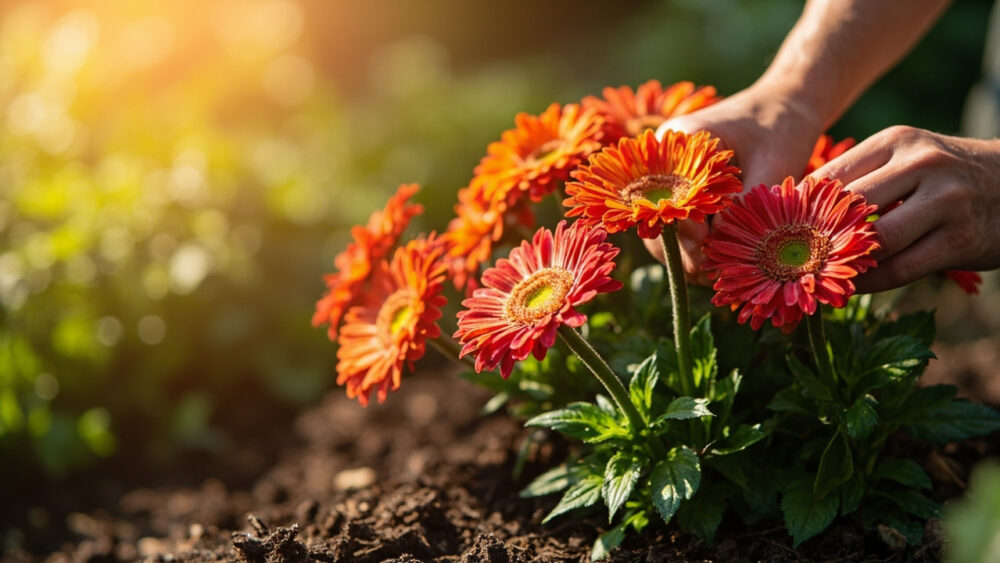
Gerbera daisies want bright light, quick-draining soil, and water only when the top inch of soil dries out, plus they hate wet feet more than almost any flower you’ll grow. Get those three things right and the rest is maintenance. Get any one of them wrong and you’ll watch a plant that looked perfect at the garden center rot or wilt within a couple of weeks, which is the most common way learning how to care for gerbera daisies goes sideways.
Here’s what trips people up specifically. The crown rot that kills more gerberas than any pest, and it starts from a watering habit that seems perfectly reasonable. The bloom drop that looks like disease but is actually the plant telling you something totally different. And the honest answer to the question you’re probably already forming: no, that leggy, flowerless stretch after the first bloom cycle doesn’t mean it’s dying.
Stick with me through the sections below and I’ll walk through light, water, feeding, the seasonal chores, and the problems that actually show up on gerberas. Save the Gerbera Daisies at a Glance card at the bottom for the fast version once you’ve read the why.
Light, Placement, and Temperature
Gerbera daisies need at least 6 hours of direct or very bright light a day. Outdoors, that means full sun in most climates, with light afternoon shade in hot, dry regions where temperatures regularly top 90°F. Indoors, put them in your brightest south or west-facing window, right up against the glass if you can, because gerberas grown in dim rooms stop blooming and stretch toward the light instead.
They prefer daytime temperatures between 65°F and 75°F and nighttime temperatures no lower than about 50°F. Frost kills them outright, so if you’re planting outside, wait until nights are reliably above 45°F to 50°F, generally a couple weeks after your last spring frost date.
Good airflow matters as much as light does with this plant.
Watering: How Much, How Often, and How to Tell
Water when the top inch of soil is dry to the touch, then water deeply until it drains from the bottom, and let the pot or bed dry out again before the next round. That’s usually every 5 to 7 days indoors, more often in hot weather or fast-draining pots, less in cool or humid stretches.
If you assumed wilting means the plant needs more water, that guess is what starts the crown rot. Gerberas wilt when overwatered too, because soggy roots can’t take up water at all, so a droopy plant sitting in wet soil needs less water, not more. Always check the soil before you reach for the watering can.
The real tell is the crown, the spot where leaves meet roots at soil level. Keep water off it entirely. Water at the base or bottom-water in a saucer, and never let the crown sit wet, since that’s the single spot where rot actually begins on this plant.
Master this one habit and most gerbera problems disappear before they start.
Soil, Pots, and Feeding
Gerberas need soil that drains fast. Use a potting mix built for cactus or succulents cut with regular potting soil, roughly half and half, or a standard potting mix amended with extra perlite. In the ground, raised beds or mounded rows beat flat, heavy clay every time.
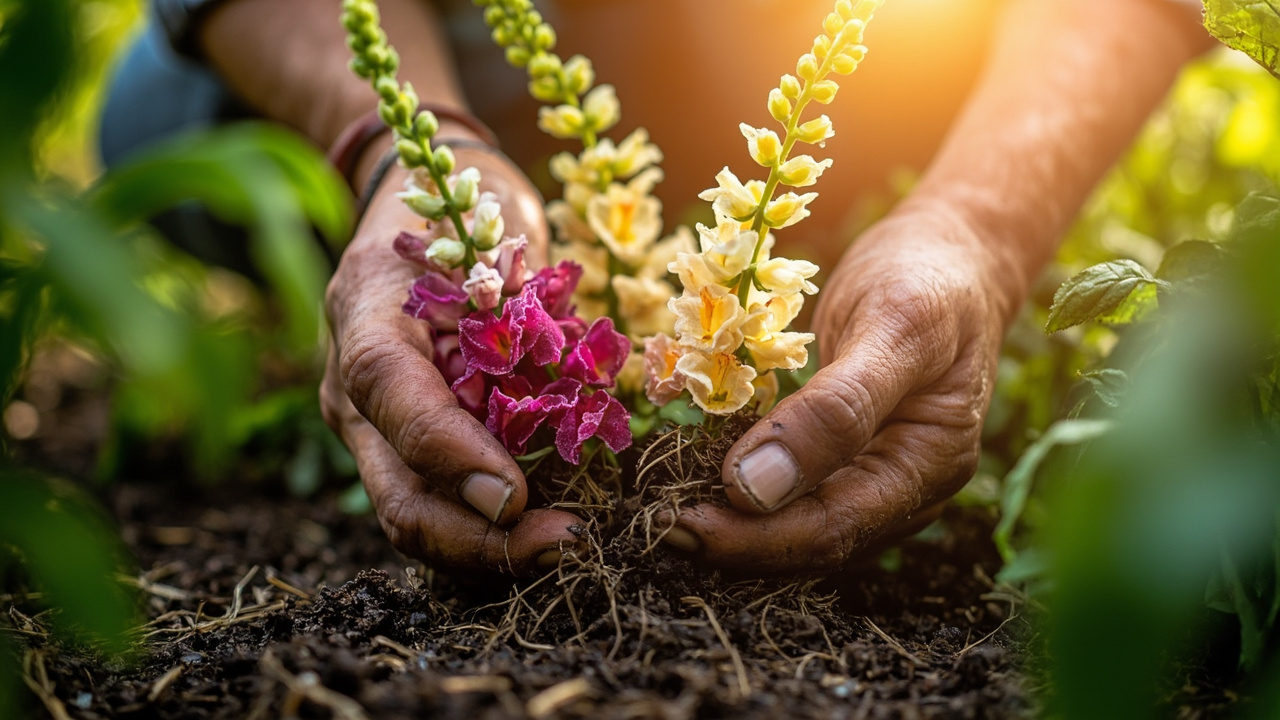
Plant it slightly high, not deep. The crown should sit at or just above soil level, never buried, since burying the crown is one of the fastest ways to invite rot even in perfect soil.
Feed every 2 to 4 weeks during active growth with a balanced liquid fertilizer diluted to about half the label’s usual strength, or work a slow-release fertilizer into the soil at planting time. Skip feeding in winter when growth slows.
Get the soil and feeding routine right and the plant does most of the rest of the work itself.
Pruning, Deadheading, and Repotting
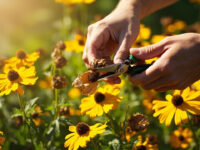
Deadhead spent blooms by cutting the flower stem all the way down to the base, not just snipping the flower head off. Gerberas send up flowers on individual stalks, and a half-cut stalk left behind just sits there yellowing and wasting the plant’s energy.
If your gerbera stops blooming a few weeks after that first flush, that’s not a dying plant, that’s a normal rest cycle. Most gerberas bloom in flushes, a few weeks of flowers followed by a quieter stretch of leaf growth before the next round. Keep up light, water, and feeding through the quiet stretch and blooms come back.
Remove yellow or dead leaves at the base as they appear, both for looks and to cut down on fungal disease hiding in old foliage. Repot container gerberas every 1 to 2 years, sizing up only one pot size at a time, since oversized pots hold excess moisture the roots don’t need.
Now for the part where most of the actual damage happens.
The Problems That Actually Show Up
Crown and root rot is the big one, showing up as a wilted plant with soft, dark, or mushy tissue at the base despite moist soil. There’s no cure once it’s advanced; pull the plant, and next time keep the crown dry and the soil fast-draining from day one.
Powdery mildew shows as a white, dusty coating on leaves, usually from poor airflow and overhead watering. Improve air circulation, water at the base, and remove badly affected leaves. A fungicide labeled for powdery mildew on ornamentals can help if you catch it early; follow the product label exactly.
Aphids and whiteflies cluster on new growth and the undersides of leaves, leaving a sticky residue behind. A strong water spray knocks down light infestations, and insecticidal soap handles the rest. Again, follow the label.
Leaf spotbrown or dark rings on foliage, usually means water is splashing onto leaves too often. Cut back on overhead watering and remove affected leaves.
Gerbera daisies are mildly toxic to dogs and cats if chewed or eaten, and can cause mild stomach upset. If you suspect a pet has eaten a significant amount, call your veterinarian rather than waiting to see what happens.
Once you’ve ruled these out, here’s what a genuinely happy gerbera looks like.
Signs Your Gerbera Is Actually Thriving
A thriving gerbera has firm, deep-green leaves standing upright, not flopped over the pot’s edge, and it pushes out new flower stalks every few weeks through the growing season. The crown stays dry-looking and firm, never soft or dark, and the soil dries out at a predictable pace between waterings instead of staying soggy for days.
New leaves emerging from the center are the best sign of all. A plant putting out fresh growth is a plant that’s settled into its spot and likes what it’s getting.
If yours checks those boxes, you’ve got the routine down, and the card below is just there for the days you need a quick refresher.
Gerbera Daisies at a Glance
- When to plant outdoors: a couple weeks after your last frost, once nights stay above 45°F to 50°F.
- Light: at least 6 hours of bright direct light, full sun with afternoon shade in very hot climates.
- Watering: when the top inch of soil is dry, watered deeply, never letting the crown stay wet.
- Soil: fast-draining mix, cactus or succulent blend cut with potting soil, crown planted at or above soil level.
- Feeding: balanced liquid fertilizer at half strength every 2 to 4 weeks during active growth, none in winter.
- Temperature: 65°F to 75°F days, no colder than about 50°F at night, frost kills the plant.
- Watch for: crown rot from wet soil, powdery mildew from poor airflow, aphids on new growth.
Keep the crown dry and the light bright, and gerberas forgive almost everything else. That’s the whole job, repeated season after season.