Foxgloves bloom in late spring through mid summertypically over a six to eight week window that falls anywhere from May to July depending on your climate and how mild the winter was. That is the honest range. But the exact answer for the foxglove you are looking at right now depends on something most people never check: whether it is in its first year or its second.
That one detail changes everything, including whether you will see flowers at all this year. There is also a common deadheading mistake that shuts the show down early instead of extending it, and a specific reason a healthy-looking plant sits there green and flowerless all season with no blooms in sight.
Stick around for the part on getting a longer bloom season out of the same plants, and save the quick-reference card at the bottom for exactly when to expect flowers and what shortens or stretches that window.
The Bloom Window, and Why It Is Shorter Than You Think
Most foxglove varieties (Digitalis purpurea and its relatives) are biennials. That means the plant spends its first year growing a low rosette of leaves and does not flower at all, then blooms hard in its second year and often dies afterward.
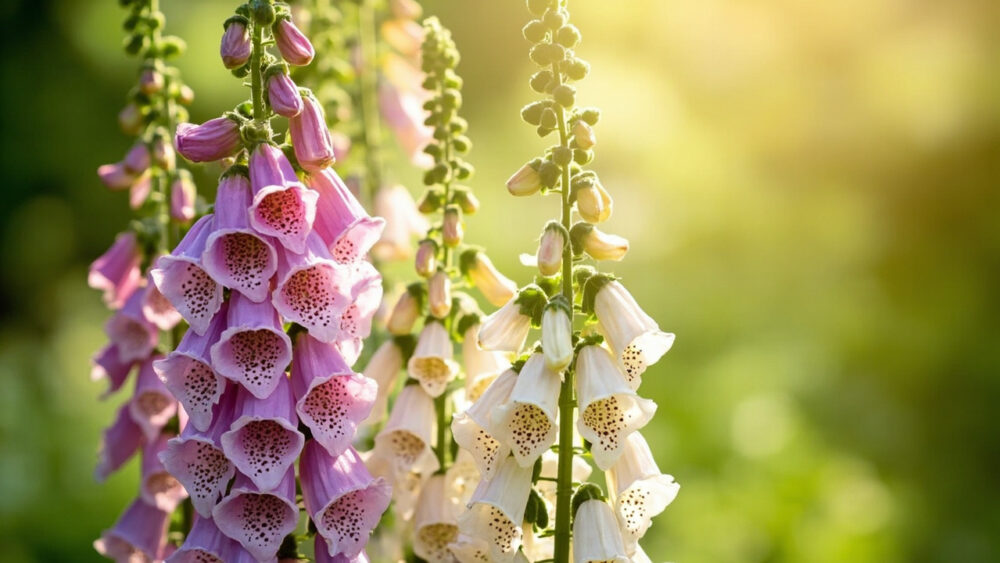
The bloom itself runs four to six weeks for any single spike, opening from the bottom up, though a well-grown plant with side shoots can keep producing color for six to eight weeks total. In cooler climates that stretches later into summer. In hot climates the show can burn out faster, sometimes wrapping up by early summer once heat sets in.
So if your plant is a first-year rosette with no stalk, it is not late, it simply is not blooming yet.
What Actually Controls the Timing
Foxgloves need a cold period to trigger flowering, a process called vernalization. That is why nearly all bloom activity happens in a plant’s second spring, after it has sat through a winter.
Soil temperature and daylight length do the rest of the scheduling once that cold requirement is met. Warmer, sunnier springs push bloom earlier; a slow, cool spring delays it by a couple of weeks.
Sun exposure matters too. Foxgloves in partial shade tend to bloom a bit later and hold their color longer than ones in full sun, where the heat pushes them through their cycle faster.
That is the natural clock, but you do have some control over how many flowers you get out of it.
How to Get More Blooms, or a Longer Show
The single biggest lever is letting the plant go biennial properly. If you started seed or bought a small plant this spring, do not expect flowers this year. Let it build a strong rosette, get it through winter, and it will reward you next year.
Beyond that, a few things genuinely extend or increase bloom:
- Feed lightly in early spring with a balanced fertilizer to support strong flower spikes.
- Keep soil consistently moist but not soggy; foxgloves are not drought-tolerant and will cut their bloom short under stress.
- Mulch to keep roots cool, especially in warmer zones, which slows the plant down just enough to extend flowering.
- Plant a mix of first-year and second-year plants (or reseed every year) so you always have a flowering generation coming up.
That last point is the real trick experienced growers use, and it is the next thing worth understanding.
The Self-Seeding Trick That Gives You Flowers Every Year
Because foxgloves are biennial, a single planting only blooms once before it fades. If you assumed buying more plants is the fixthat is only half right. The real fix is letting some flower spikes go to seed at the end of the season instead of deadheading everything.
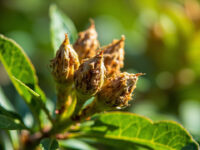
Foxgloves self-seed generously. Leave a few spent spikes standing and they will drop seed that sprouts into next year’s rosettes, staggering your bloom so you get flowers annually instead of every other year.
It looks messy for a few weeks in late summer. It is also the lowest-effort way to keep a foxglove patch blooming indefinitely.
Why Your Foxglove Isn’t Blooming
Nine times out of ten, a foxglove that refuses to flower is simply still in its first year. Check for a stalk. No stalk, no bloom yet, and that is normal, not a problem.
If it is a second-year plant and still not blooming, look at these causes:
- Too much shade: foxgloves tolerate partial shade but need some real light to flower well.
- Poor or waterlogged soil: they want rich, well-drained soil, not heavy clay that stays wet.
- A mild winter with no real cold snap, which can weaken the vernalization trigger in borderline zones.
- Overcrowding: plants packed too tightly compete hard for light and nutrients.
Fix the growing conditions this season and most plants recover in time for a proper bloom the following year.
Deadheading and Aftercare That Extends the Show
Deadhead the main spike once the lower two-thirds of flowers have faded, cutting just above a set of leaves. This often triggers side shoots that throw a second, smaller round of blooms three to four weeks later.
Do this for most of the season, then stop and let the last few spikes finish naturally so they can set seed for next year’s plants.
Cut the whole stalk down once it browns and dries out completely, and keep the rosette watered through fall so it builds strength for next year.
One safety note worth knowing: foxglove is toxic to people and pets if ingested, sometimes seriously so, since it contains compounds that affect the heart. Keep cut stems and dropped seed heads away from curious pets and kids, and if you suspect any part of the plant has been eaten, call a veterinarian or poison control right away rather than waiting to see what happens.
With deadheading handled and the toxicity risk managed, here is everything in one place.
Foxgloves: Quick Reference
- Bloom season: late spring through mid summer, generally May through July depending on climate.
- Bloom duration: four to six weeks per spike, six to eight weeks total with side shoots.
- Growth pattern: biennial, meaning no flowers the first year and full bloom the second year.
- Trigger for flowering: a cold winter period (vernalization) followed by warming spring soil and longer daylight.
- To get more flowers: deadhead spent spikes for side shoots, but leave some to self-seed for next year’s blooms.
- If it won’t bloom: check whether it is still first-year growth before assuming a problem.
- Toxicity: all parts are toxic to humans and pets. Contact a veterinarian or poison control immediately for suspected ingestion.
Foxgloves reward patience more than fuss. Give them a cold winter, a little shade, and a light hand with deadheading, and they will keep coming back on their own.