Bush beans take 50 to 65 days from seed to first harvest, and pole beans take 60 to 70 days. That is the honest range for most common varieties in decent soil and warm weather. Anyone asking how long does it take to grow green beans usually wants to know when they can actually plan a harvest, and the fair answer is roughly two months, give or take a couple weeks.
But that number moves depending on a few things that have nothing to do with luck. Soil temperature at planting time changes the math more than almost anything else, and it is the mistake that stalls more bean patches than any pest or disease. There is also a real difference between bush and pole types that catches first-time growers off guard, and a way to tell right now whether your particular plants are running on schedule or genuinely behind.
Stick around for the stage-by-stage breakdown and the quick-reference card at the bottom, it is built to save and check against your own plants all season.
The Realistic Timeline, Start to Finish
From seed in the ground to the first pickable pod, bush beans run 50 to 65 days. Pole beans take longer to get going, 60 to 70 days, because they spend extra early energy climbing before they bother setting flowers.
Germination itself eats up the first 6 to 10 days if soil is warm. Flowering shows up around week 5 to 6. Pods you can actually pick follow 10 to 14 days after that.
Once a bean plant starts producing, it does not hand you one harvest and quit. Bush beans give you a concentrated flush over 2 to 3 weeks. Pole beans trickle out pods steadily for 6 to 8 weeks or more if you keep picking.
That harvest window is exactly why the variety you picked matters as much as the date you planted it.
What Actually Controls the Speed
Soil temperature is the biggest lever. Bean seeds sulk in cold ground and can rot before they ever sprout if soil is below 60°F. At 70 to 80°F, germination happens fast and even.
If you assumed a hard frost date on the calendar is what matters, that is only half right. The real trigger is soil warmth, not the date, and soil often lags a week or two behind air temperature in spring.
Variety is the second lever. Bush types like Provider or Contender are bred to be quick and compact. Pole types like Kentucky Wonder trade speed for a longer, heavier total yield per plant.
Consistent moisture, full sun, and reasonably fertile but not overly nitrogen-heavy soil round out the list. Too much nitrogen grows lush leaves and stalls pod set, which feels like slow progress but is really a different problem entirely.
Next, here is what each stage actually looks like so you can tell where your plants stand.
Stage by Stage: What You Should See and When
Use this to check your own plants against reality instead of guessing.
- Days 1 to 10: seed swells, cracks, sends down a root, pushes a bent stem up through the soil.
- Days 10 to 20: first true leaves unfold, plant starts real growth instead of just surviving on the seed’s stored energy.
- Days 20 to 35: steady vegetative growth, bush types bulk out low and wide, pole types start reaching for a trellis.
- Days 35 to 50: flowering begins, small white or pale purple blooms depending on variety.
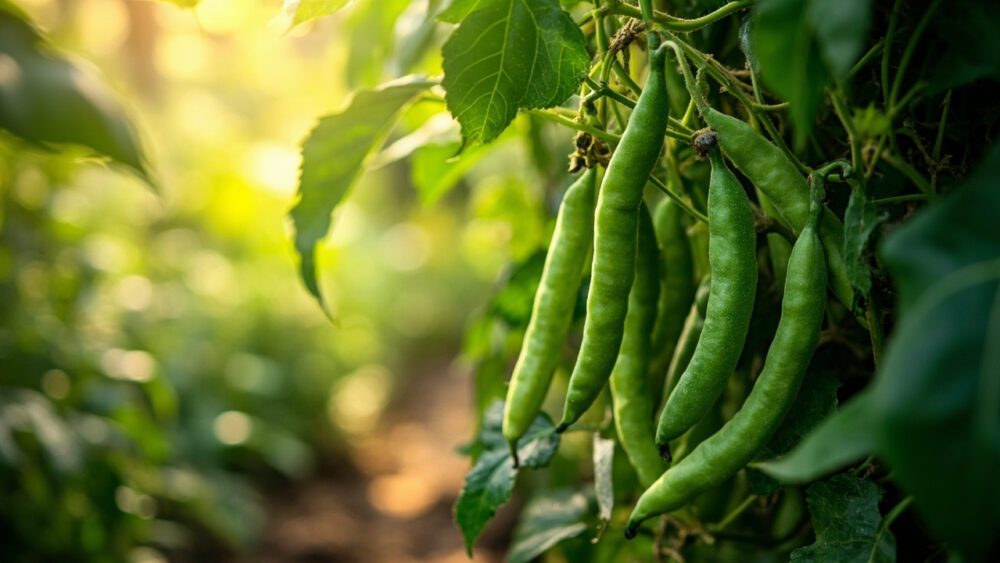
- Days 50 to 65 (bush) or 60 to 70 (pole): pods form and size up to pickable, usually pencil-thick and 4 to 6 inches long depending on variety.
Once you see flowers, you are genuinely close, pods follow within two weeks in good conditions.
How to Legitimately Speed It Up
Warm the soil before planting. Black plastic mulch or simply waiting a extra week for natural warming gets seeds germinating fast instead of sitting cold and vulnerable.
Pre-soaking seeds for a few hours before planting can shave a day or two off germination, though it will not rescue seeds put into cold ground.
Consistent watering matters more than heavy feeding. Beans stressed by drought during flowering will drop blossoms and delay pods, which costs you far more time than it saves.
What does not work: extra nitrogen fertilizer. It is the most common well-meaning mistake, and it pushes leafy growth at the direct expense of flowers and pods.
Picking pods promptly also speeds up the season in a real sense, since a plant left to mature seed inside old pods slows or stops producing new ones.
That last point matters more than most people realize, so it is worth understanding what slow actually looks like.
When Slow Is Normal, and When It Is a Problem
A bean plant that seems to sit still for the first two weeks is normal, especially in cool spring soil. That is not a stalled plant, that is a plant waiting on warmth.
Genuine trouble looks different: seeds that never sprout after 2 to 3 weeks in warm soil are likely rotted, not just slow. Yellowing seedlings with no new growth for a week or more point to waterlogged soil or a nutrient problem, not a timeline issue.
Plants that flower but drop blossoms without setting pods are usually dealing with heat stress above the mid-90s°F, inconsistent watering, or too much nitrogen, not simply needing more days.
If pods are forming but staying small and tough, that is often just late-season heat or moisture stress rather than something you did wrong early on.
Here is the card worth saving, everything above boiled down to what you actually need at the plant.
Green Beans: Quick Reference
- Core timeline: bush beans 50 to 65 days to first harvest, pole beans 60 to 70 days.
- Germination window: 6 to 10 days in soil at 70 to 80°F, slower and riskier below 60°F.
- Flowering: begins around week 5 to 6, pods follow 10 to 14 days later.
- Harvest window: bush types give one concentrated flush over 2 to 3 weeks, pole types produce steadily for 6 to 8 weeks or more.
- Biggest speed factor: soil temperature at planting, not the calendar date.
- Common slowdown to avoid: excess nitrogen fertilizer, which grows leaves at the expense of pods.
Plant into warm soil, water consistently, and pick often, and this timeline holds true in almost any yard.
Everything else is patience, and beans reward it fast compared to most vegetables.