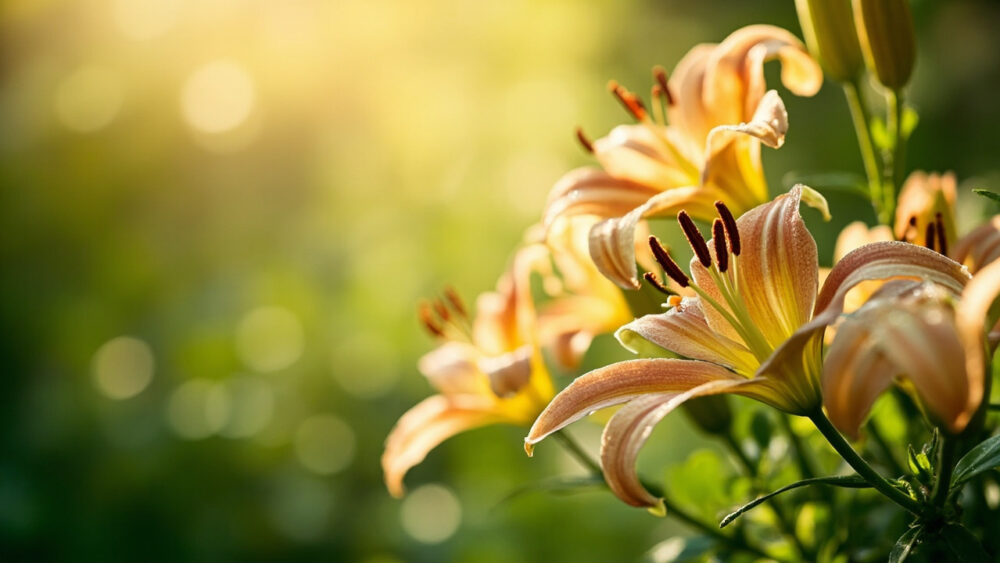
Yes, true lilies are perennial bulbs and will come back every year in the right zone, usually resprouting anywhere from mid to late spring depending on how cold your winter was. That is the honest short answer to do lilies come back every year, but it comes with real conditions attached. Zone, drainage, and what kind of “lily” you actually planted all change the outcome.
Some readers have a bulb that will outlive them if left alone. Others have a bulb that is quietly rotting in the ground right now and will never show up again. The difference usually comes down to one thing most people never check: what their soil does with water in January, not July.
Stick with me through the next few sections and I will show you how to read your own yard, what winter is actually doing underground, and when you are better off just treating the thing as an annual and moving on. There is a save-able quick-reference card at the very bottom with the answer and every qualifier in one place.
The Plain Answer, By Zone
True lilies, meaning Asiatic, Oriental, Trumpet, and the tall Orienpet hybrids, are hardy perennial bulbs in USDA zones 4 through 9 for most varieties, with some Asiatics tolerating zone 3 and some Trumpets struggling past zone 8 in humid heat. In that range, left in the ground, they come back reliably for years and often multiply.
Daylilies are a different plant entirely and are perennial in an even wider range, zones 3 through 10, because they are tougher and less picky about drainage.
If you bought a potted “Easter lily,” that is technically a hardy trumpet lily species, but it was forced into bloom out of season and is often treated as a gift plant rather than a garden perennial. It can be planted outside and will return if your zone and drainage cooperate, it just needs a full season to recover first.
Outside that hardy range, or in a pot that freezes solid, the answer changes completely.
What Happens Underground Over Winter
After bloom, the foliage yellows and the plant looks finished, but the bulb is doing its most important work. It is storing energy for next year’s stalk and flower, which is exactly why cutting lily foliage back early is the single most common mistake that kills next season’s bloom.
Let the leaves die back on their own, brown and papery, before you remove them. That can take six to ten weeks after flowering.
Underground, the bulb goes dormant and needs a real cold period to reset for spring, which is part of why lilies are genuinely perennial in cold winters and genuinely risky in places that barely freeze.
What kills bulbs over winter is almost never the cold itself.
The Real Threat Is Wet Feet, Not Cold
If you assumed a hard freeze is what kills a lily bulb, that guess is backwards. Lily bulbs tolerate serious cold; what they cannot tolerate is sitting in waterlogged soil while dormant, because that is what actually rots them.
Check your soil’s drainage now, not next winter. Dig a hole six inches deep, fill it with water, and see if it drains within a few hours. If it is still standing water the next day, that spot will likely rot lily bulbs over winter regardless of your zone.
Heavy clay, low spots where snowmelt pools, and pots without drainage holes are the usual culprits. Raised beds, slight slopes, and amended soil with grit or compost worked in are the fix.
Get the drainage right and cold stops being the enemy.
How to Help a Lily Come Back Next Season
A few habits make the difference between a bulb that fades out after one year and one that multiplies for a decade.
- Leave the foliage: let it brown completely before cutting it down, since it is feeding the bulb.
- Deadhead, don’t behead: remove spent flowers so energy goes to the bulb instead of seed, but leave the stem and leaves standing.
- Mulch after the ground first freezes: two to three inches of mulch in cold zones buffers freeze-thaw cycles that heave bulbs out of the soil.
- Divide every three to four years: crowded clumps bloom smaller and less often, so lift and separate bulbs in fall once they’ve gotten dense.
- Feed lightly in spring: a balanced bulb fertilizer as shoots emerge supports next year’s flower, not this year’s.
None of this is complicated, but skipping any one of these is how a perennial lily quietly turns into a one-season plant.
Overwintering Lilies in Pots
Potted lilies are the riskiest version of this question, because a pot freezes and thaws far faster than garden soil and offers the bulb no insulation.
In zones colder than the lily’s hardy range, or any pot left aboveground through winter, move it into an unheated garage, shed, or against a sheltered wall and insulate the pot itself with mulch, leaves, or bubble wrap.
Water sparingly over winter, just enough that the bulb doesn’t fully desiccate, since a dormant bulb in soggy potting mix rots fast.
A pot that freezes solid and thaws repeatedly is where most potted lilies actually die, not from the cold itself but from that cycle.
When Treating a Lily as an Annual Is the Smarter Call
Sometimes fighting for a comeback isn’t worth it, and that is a legitimate call, not a failure.
If you’re outside the hardy zone range for your lily type, in heavy clay you cannot amend, or working with a gift Easter lily you just want to enjoy once, treat it as a seasonal flower. Enjoy the bloom, then let it go without guilt.
This is also the honest answer for anyone gardening in zone 10 or warmer with Trumpet or Oriental types, since they often decline regardless of care in climates that never get cold enough to reset dormancy properly.
Daylilies, by contrast, are almost never worth giving up on, since they are tough enough to return in nearly any zone with basic drainage.
Knowing which category your plant falls into changes how much effort next season is actually worth.
Lilies: Quick Reference
- Core answer: true lilies are perennial bulbs and return yearly in USDA zones 4 through 9, with some varieties hardy to zone 3 or struggling past zone 8.
- Daylilies: perennial and reliable across zones 3 through 10, tougher than true lilies.
- Biggest threat: waterlogged soil in winter causes bulb rot, not cold itself.
- Foliage rule: let leaves brown and die back fully before cutting, usually six to ten weeks after bloom.
- Division: lift and separate crowded bulbs every three to four years to keep blooms strong.
- Potted lilies: insulate or move indoors unheated in cold zones, water sparingly through dormancy.
- Skip the effort: treat as an annual if you’re outside the hardy zone range or stuck with heavy, unamendable clay.
Get the drainage and the foliage timing right, and most lilies will outlast the fence you planted them next to.
Everything else is just details.