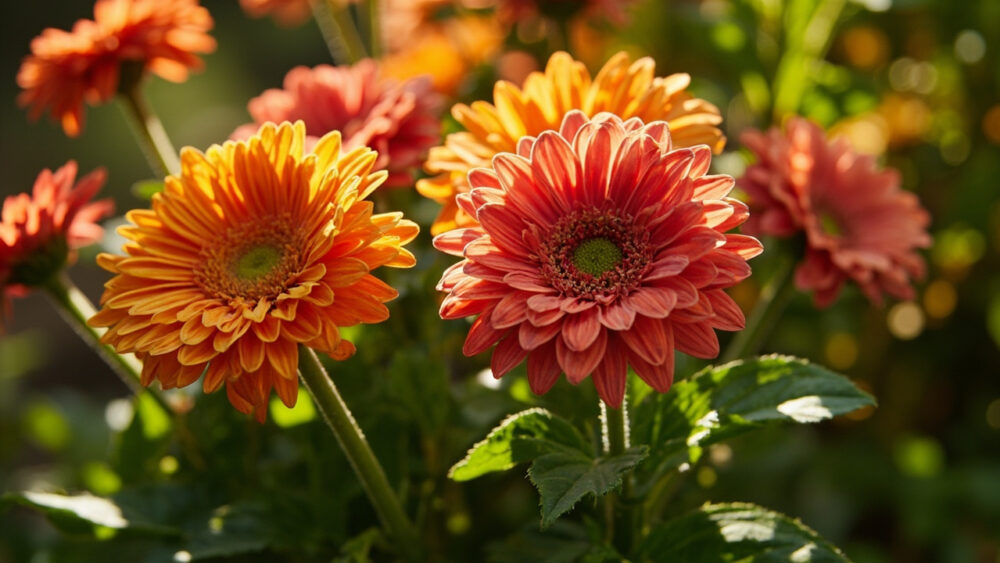
Gerbera daisies are perennials, but whether they come back for you depends almost entirely on your winter. In USDA zones 8 through 11, they act like true perennials and return for three to four years or more. In zone 7 and colder, they usually die over winter unless you dig them up or give them serious protection, so most gardeners in cold climates grow them as annuals whether they meant to or not.
That zone line is the honest answer, but it is not the whole story. There is a specific soil condition that kills more gerberas than cold ever does, and it has nothing to do with temperature. There is also a way to tell, just by looking at your own plant right now, whether it has the reserves to try again next year.
Stick around for the part about getting a second and third bloom flush out of the same plant, and save the quick-reference card at the bottom for the exact zone-by-zone breakdown.
The Plain Answer: Perennial in Warm Zones, Annual Everywhere Else
Gerbera jamesonii is native to South Africa and it is genuinely hardy only where winters stay mild. In zones 9 through 11, plants sail through winter with little more than a light mulch and come back reliably. Zone 8 is the gray area: mild winters are fine, but a hard freeze can still take the crown out.
Below that, in zones 7 and colder, gerberas planted in the ground almost never survive winter outdoors. The foliage collapses at the first hard frost and the roots follow soon after in frozen or waterlogged soil.
If you bought yours at a garden center or big box store this spring, there is a decent chance nobody told you which category you are in.
What Actually Kills Them Isn’t Always the Cold
If you assumed a hard freeze is the main threat, that is a fair guess, but wet feet in winter kill more gerberas than cold air does. These plants hate sitting in soggy soil even more than they hate chilly nights.
A gerbera in heavy clay or a low spot that stays damp all winter will rot at the crown even in a zone where it should technically survive. The leaves yellow, go mushy at the base, and the whole plant pulls out with barely any root left.
Drainage matters more than the thermometer. Raised beds, pots, or soil amended with grit or coarse compost dramatically improve a gerbera’s odds through winter, even at the cold edge of its range.
So before you blame the zone map, check what is happening at ground level around the roots.
What to Expect Over Winter and Into Next Season
In warm zones, expect the plant to slow down rather than stop. Growth stalls, blooming pauses, and the foliage may look a little rough or thin by late winter.
That ragged look is normal and not a sign of failure. Come spring, once soil temperatures climb back into the 60s Fahrenheit, you will see new leaves push from the crown, usually a few weeks before any flower buds show.
In cold zones where the plant died back to nothing outdoors, what you are left with is either an empty spot in the bed or a dormant potted plant you brought inside. The difference between those two outcomes is entirely about what you did in fall, which is the next thing worth sorting out.
Whether next spring brings a returning plant or an empty patch of dirt comes down to one decision made months earlier.
How to Overwinter a Gerbera So It Actually Returns
If you are in zone 8 or colder and want to try keeping the plant alive, dig it up before the first hard frost rather than gambling on mulch alone. Pot it in well-draining soil, a mix with perlite or coarse sand works well, and bring it somewhere that stays above about 45 to 50 F.
A cool, bright sunroom, an unheated but frost-free garage with a window, or a spot near a bright indoor window all work. Water sparingly over winter, just enough that the soil is not fully dry, since overwatering a semi-dormant plant is an easy way to rot the crown indoors instead of outdoors.
In zones 9 through 11, leave it in the ground but pull mulch a couple inches away from the crown itself. Mulch piled directly against the base holds moisture right where you do not want it.
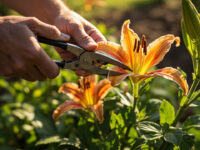
- Cut back: remove spent flower stalks and any yellowed leaves before the move indoors or before winter sets in.
- Reduce water: let the top inch or two of soil dry between waterings all winter long.
- Skip fertilizer: feeding a dormant or semi-dormant plant does nothing but invite soft, rot-prone growth.
- Move it back out gradually: once nights are reliably above 45 to 50 F in spring, harden the plant off over a week or two before full sun exposure.
Do that consistently and a single gerbera can bloom for you for three, four, even five years running.
When Treating It as an Annual Is Honestly the Better Call
Here is the part most articles will not say plainly: in cold climates, babysitting a gerbera through winter is a lot of effort for a plant that costs relatively little to replace each spring. If you do not have a bright, cool spot to overwinter it, do not force it.
Buying fresh plants each year, or starting new ones from seed indoors 10 to 12 weeks before your last frost, often gives better results than a stressed, leggy plant that limped through a dim windowsill all winter.
There is no shame in growing gerberas as annuals. Commercial growers do it constantly, which is exactly why garden centers restock them every spring looking flawless.
If overwintering sounds like more hassle than reward, skip straight to the reference card below and just plan around fresh plants each season.
Gerbera Daisies: Quick Reference
- Core answer: perennial in zones 9 through 11, borderline in zone 8, essentially annual in zone 7 and colder without protection.
- Biggest killer: soggy winter soil and crown rot, more often than cold air temperatures alone.
- Winter behavior in warm zones: growth slows, foliage looks rough, new leaves resume once soil warms into the 60s F in spring.
- Overwintering method: dig up before first hard frost, pot in well-draining soil, keep above 45 to 50 F, water sparingly, no fertilizer.
- In-ground protection: mulch pulled a couple inches back from the crown, not piled against it.
- When to just replant: no bright cool space for winter storage, or the plant looks stressed and leggy by late winter, fresh plants or seed-started ones usually outperform it.
Gerberas reward whichever choice you make, as long as you make it on purpose instead of by accident.
Either way, you now know exactly what your yard, your zone, and your winter setup are actually telling you.