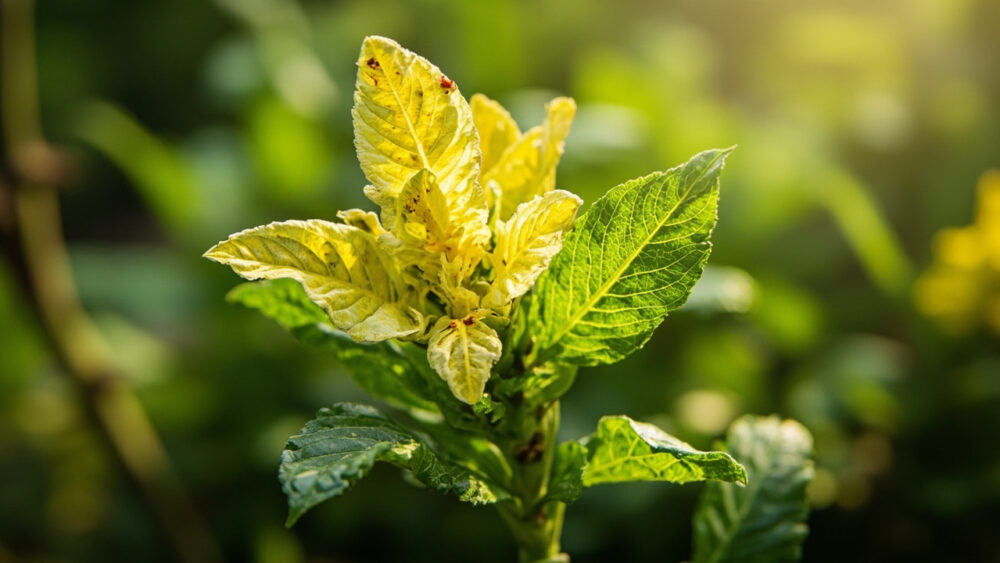
Nine times out of ten, celosia leaves turning yellow comes down to overwatering or heavy, slow-draining soil that’s suffocating the roots. The fix is simple but urgent: back off the water immediately and check whether the soil around the roots actually feels swampy an inch or two down.
Most people blame the sun first, since celosia looks like a plant that would scorch easily. It almost never does. Sun is rarely the culprit here, and chasing that theory wastes time while the real problem keeps spreading.
There’s one detail on the plant right now that tells you exactly which of five or six causes you’re dealing with: where the yellowing started and whether it’s climbing up or working down. Keep that in mind as you read, because it’s the fastest way to skip straight to your fix. Stick with this to the end and you’ll get a two-minute diagnosis checklist you can run standing right at the plant.
Most Likely Causes, Ranked
1. Overwatering or Waterlogged Soil
Confirm it: push a finger 2 inches into the soil. If it feels cold, muddy, or sticks to your skin in a clump, water is the problem. Yellowing usually starts on the lower, older leaves first and the stem base may feel soft.
Celosia comes from dry, open growing conditions originally and its roots do not tolerate sitting in wet soil for more than a day or two.
Fix: let the top 2 to 3 inches dry out completely before watering again. If it’s in a container, make sure the drainage holes aren’t blocked, and if it’s in the ground, consider whether the spot collects runoff after rain.
Get the moisture right and you’ll often see the next flush of leaves come in green within a week or two.
2. Nitrogen Deficiency
Confirm it: look at the oldest, lowest leaves first. If they’re yellowing uniformly, with no spots and no water problems to blame, and the plant has been in the same soil for months without feeding, nitrogen is a strong suspect.
This is especially common in container-grown celosia, since nutrients wash out with every watering.
Fix: feed with a balanced liquid fertilizer at half strength, or a slow-release granular formulated for flowering annuals, following the label rate. You should see improvement in new growth within 10 to 14 days, though the yellowed leaves themselves won’t turn back green.
If feeding doesn’t budge things, the next likely cause is hiding underground.
3. Root-Bound or Compacted Roots
Confirm it: gently slide the plant out of its pot, or dig a small test area around a garden plant. Roots that are tightly circling the pot’s shape, or soil so compacted a trowel barely goes in, point here.
Yellowing from this cause tends to show up plant-wide rather than starting at the bottom, since the whole root system is struggling to function.
Fix: for potted celosia, move up one pot size and loosen the outer roots before repotting. For garden soil, work in some compost around the root zone to open it up, being careful not to disturb roots too aggressively.
Roots are an easy thing to overlook when the leaves are what’s screaming at you.
4. Natural Lower-Leaf Drop
Confirm it: this is the cause people usually miss because it looks alarming but isn’t. If only the very bottom one or two leaves are yellowing and dropping, the plant otherwise looks vigorous, and it’s actively putting out new growth and flower plumes up top, this is likely just normal aging.
Celosia sheds its oldest leaves as it puts energy into height and bloom, especially once it starts flowering.
Fix: nothing to fix. Snip off the yellowed leaves for tidiness if you want, but don’t change your watering or feeding routine over one or two lower leaves.
The harder calls come when yellowing shows up with spots or a pattern instead of a plain, even fade.
5. Fungal Root or Stem Disease
Confirm it: pull gently at the base of the stem. If it’s mushy, discolored, or smells sour, and yellowing is paired with wilting even though the soil is wet, you’re likely dealing with root rot or a stem fungal disease, often from prolonged wet, poorly drained conditions.
Fix: for a plant caught early, cut back watering completely and improve drainage immediately. For advanced cases with a collapsed or blackened stem base, there’s usually no saving it, and the honest move is to remove and discard the plant rather than let it become a source of soil-borne disease for future plantings.
This is the one cause where speed matters more than anything else on this list.
6. Sunscorch or Heat Stress (Less Common Than You’d Think)
Confirm it: look for yellowing with a dry, papery, or bleached quality concentrated on the leaves most exposed to afternoon sun, especially after a sudden heat spike or after moving a plant from shade into full sun too fast.
Established celosia actually loves full sun and heat, so this only shows up during a stressful transition, not as a steady-state problem.
Fix: give it a few days of light afternoon shade to recover if it was recently transplanted or relocated. No shade cloth or babying needed long-term once it’s acclimated.
Now that you’ve got the individual suspects, here’s how to line them up side by side.
How to Tell the Causes Apart
Location on the plant is your best clue. Bottom leaves only, evenly yellow, no spots: nitrogen deficiency or simply natural aging.
Bottom leaves yellow with soft or mushy stems: overwatering, possibly progressing to root rot.
Yellowing all over the plant at once: root-bound conditions or compacted soil restricting the whole system.
Yellow patches with a dry, crisp texture on sun-facing leaves: heat or light stress, not a soil issue at all.
Wilting plus yellowing even in wet soil: treat this as an emergency and check the stem base right away.
Once you know which bucket you’re in, the next question is whether the plant is actually going to bounce back.
Will It Recover?
For overwatering caught early, recovery odds are good. Adjust the water and you’ll typically see new growth come in clean within 1 to 2 weeks, though already-yellow leaves won’t reverse.
Nitrogen deficiency and compacted roots also recover well once corrected, just on a similar two-week timeline for visible new growth.
Natural lower-leaf drop needs no recovery since nothing was wrong to begin with.
Root and stem rot is the honest exception. Caught at the very first sign, with immediate drainage correction, some plants pull through. Once the stem base is soft or blackened, there’s no reviving it, and pulling the plant to protect the rest of your bed or containers is the right call, not a failure on your part.
Knowing the outlook is one thing, avoiding a repeat is another.
How to Keep It From Happening Again
Water on a schedule dictated by the soil, not the calendar. Check the top 2 inches before every watering and only water when it’s dry there.
Plant celosia in soil that drains freely, and if you’re working with heavy clay, amend generously with compost before you ever put the plant in the ground.
Feed lightly but consistently through the growing season, especially in containers, rather than waiting for yellowing to show up before reaching for fertilizer.
Give it full sun from the start if possible, and if you’re moving a plant from a shadier spot, transition it over 4 to 5 days rather than dropping it straight into full afternoon sun.
Get these basics right and yellowing becomes a rare visitor instead of a recurring headache.
Diagnosis Checklist
- Check the soil 2 inches down: if cold and muddy, suspect overwatering first.
- Check the stem base: if soft, mushy, or foul-smelling, treat as possible root rot and act immediately.
- Note which leaves are yellow: bottom only suggests aging or nitrogen, all-over suggests root restriction.
- Look for spots or texture: dry and papery points to sun or heat stress, not water or soil.
- Check the pot or root area: circling roots or rock-hard soil means it’s time to repot or amend.
- Review your last feeding: if it’s been over 6 to 8 weeks with no fertilizer, feed at half strength and watch for improvement in 10 to 14 days.
- Confirm the plant is otherwise vigorous: strong new growth and blooms with just one or two lower yellow leaves means leave it alone.
Most celosia yellowing traces back to water, not sun, and the fix is almost always simpler than it looks.
Get the roots and the moisture right, and this plant rewards you fast.