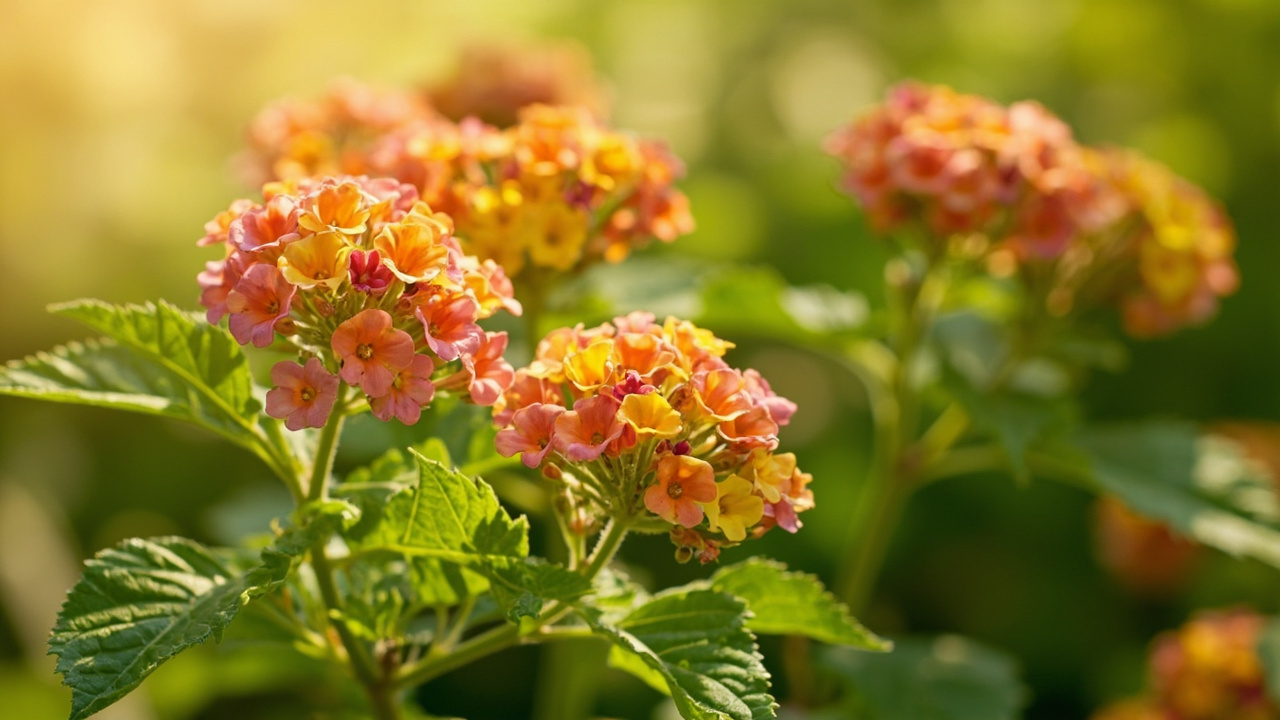
Nine times out of ten, a dianthus not blooming is starving for light or drowning in old flower stalks it never got to deadhead. Give it at least 6 hours of direct sun and snip off every spent bloom down to the foliage, and you will usually see new buds within 2 to 3 weeks. That is the short version, but there are five or six other reasons this happens, and one of them is a cause most people never even check.
Everyone blames the fertilizer first. Sometimes that is right, but more often the real culprit is sitting in plain sight: soggy roots, tired old growth, or a plant that is simply exhausted from its first big flush and needs a haircut, not a feeding. The detail that tells you which cause is yours is usually right at the base of the plant, in the color and texture of the foliage everyone forgets to look at.
Most dianthus that have stopped blooming come back within a season once the real cause is fixed. A few, especially old woody clumps, are past the point of reblooming and are better off divided or replaced. Keep scrolling and you will hit the full diagnosis checklist at the bottom, the same one I use walking a client’s border when they say “it bloomed great in spring and now nothing.”
Why Your Dianthus Stopped Blooming, Most Likely Cause First
1. Not enough direct sun
Dianthus is a sun lover, full stop. Anything under 6 hours of direct light produces lush green foliage and few or no flowers. Confirm it by watching the bed for a full day. If a fence, shrub, or building shades the plant for more than half the day, that is your answer. Fix it by moving the plant to a spot with 6 to 8 hours of sun, or thinning back whatever is casting the shade, in either early spring or fall when roots transplant easiest.
Light is the foundation, but even a sunny dianthus stalls out if you skip the next step.
2. Spent blooms never got deadheaded
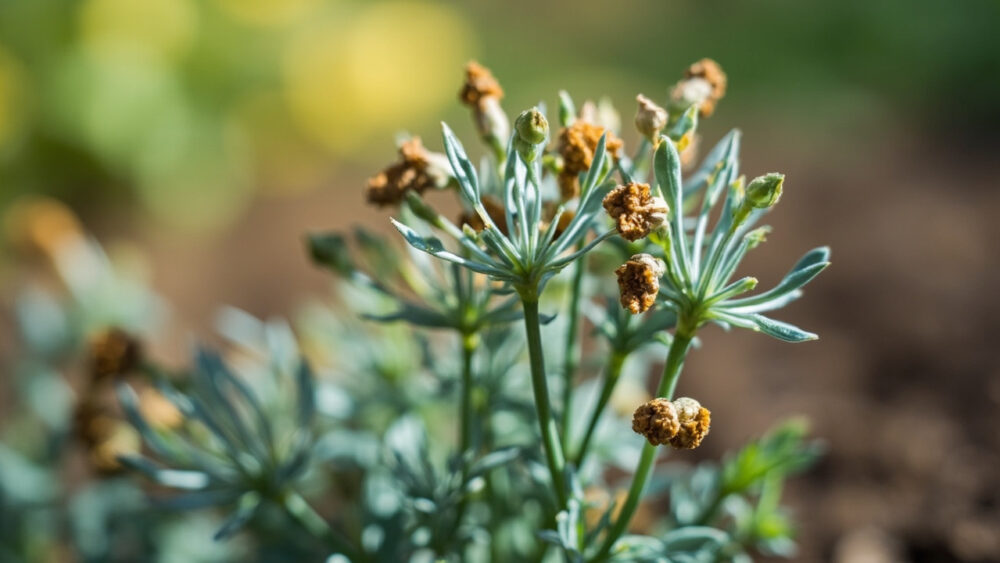
Dianthus puts energy into seed production the moment old flowers fade. Left alone, it will slow or stop making new buds entirely. Confirm it by checking for brown, papery, or swollen seed heads still attached at the base of each stem. Fix it by shearing the whole plant back by about a third right after the first flush fades, cutting just above a set of healthy leaves, not just snipping individual flowers.
A hard cutback feels brutal, but it is exactly what triggers the second round of bloom.
3. Overwatering or heavy, wet soil
Dianthus is drought-tolerant once established and genuinely resents wet feet. Soggy soil pushes the plant into survival mode, and flowering is the first thing it drops. Confirm it by pushing a finger 2 inches into the soil; if it feels consistently damp or the crown looks dark and mushy, water is the issue. Fix it by cutting back watering to once a week or less, and if drainage is genuinely poor, replant it slightly raised or into gritty, amended soil.
If the soil test came back dry instead, the next cause is a lot more likely.
4. Too much nitrogen fertilizer
A high-nitrogen feed builds gorgeous leaves and almost no flowers, because the plant channels its energy into foliage instead of buds. Confirm it by looking for dense, dark green, leafy growth with few or no flower stalks, especially if you have been feeding a lawn fertilizer nearby or feeding heavily and often. Fix it by switching to a bloom-boosting fertilizer with lower nitrogen and higher phosphorus and potassium, applied lightly every 4 to 6 weeks through the growing season, and stop feeding lawn fertilizer runoff from reaching the bed.
Feeding the wrong thing is common, but an old, tired plant has a different look entirely.
5. Old, woody, overgrown clump
Dianthus is short-lived by nature, typically productive for 2 to 4 years before the center of the clump turns woody and stops flowering well. Confirm it by checking the base: if the middle is bare, hard, or woody while new growth only appears around the outer edge, age is catching up with it. Fix it by dividing the clump in early spring or early fall, discarding the dead woody center, and replanting the vigorous outer sections.
Age explains a slow decline, but a sudden total stop points somewhere else.
6. Recent transplant or temperature stress
A dianthus that was just moved, or that lived through a late hard frost or a stretch of 90 degree-plus heat, will often pause flowering while it recovers. Confirm it by checking your timeline: did you transplant, divide, or hit unusual weather in the last 2 to 4 weeks? Fix it by simply giving it time, keeping soil evenly moist but not wet, and skipping fertilizer until you see fresh new growth resume.
If none of these match, run through the side-by-side tells below before you decide.
How to Tell the Causes Apart
Location on the plant is the fastest tell. Shade problems show up as overall leggy, stretched growth reaching toward the light source. Deadheading neglect shows up as brown seed heads still attached with green healthy leaves underneath.
Overwatering shows dark, mushy, or yellowing growth right at the crown, while the tips stay fine. Too much nitrogen gives you thick, dark, leafy top growth with almost no stalks at all, on a plant that otherwise looks thriving.
Age is a center-versus-edge pattern, dead middle, live rim. Stress is a timing pattern, tied to a specific event you can point to in the last few weeks.
Once you have matched the pattern, the next question is whether it is fixable at all.
Will It Recover?
Shade, overwatering, and nitrogen overload are the easiest fixes, and most dianthus rebloom within 2 to 4 weeks once the condition is corrected. Deadheading neglect recovers fastest of all, often within 2 to 3 weeks of a hard cutback.
Transplant and heat stress just need patience, usually resolving on their own within a few weeks as the plant settles back into normal growth.
Old, woody clumps are the honest exception. Division can revive the outer growth, but the woody center itself will not rebloom, and a clump past 4 to 5 years with more dead wood than green is often better replaced outright.
Whatever the cause, the fix that gets you here fastest next season is prevention.
How to Keep It From Happening Again
Plant dianthus in full sun from the start, and deadhead on a schedule rather than waiting until the bed looks messy. Shearing back by a third right after each flush, rather than snipping single spent flowers, is what actually triggers repeat bloom through the season.
Water deeply but infrequently, let the top few inches dry between waterings, and skip high-nitrogen feeds in favor of a balanced or bloom-formulated fertilizer used sparingly.
Plan to divide clumps every 2 to 3 years before the center goes woody, and you will rarely see this problem at all.
Diagnosis Checklist
- Check sun exposure for a full day: if the bed gets less than 6 hours of direct sun, that is your fix, move or prune around it.
- Look at the base of the stems for brown, papery seed heads: if present, shear the plant back by a third above healthy leaves.
- Push a finger 2 inches into the soil: if it feels wet or the crown looks dark and mushy, cut back watering and improve drainage.
- Inspect the foliage: if growth is thick, dark, and leafy with few flower stalks, stop nitrogen feeding and switch to a bloom fertilizer.
- Check the center of the clump: if it is bare or woody with growth only at the edges, plan to divide it in the next appropriate season.
- Think back 2 to 4 weeks: if you transplanted, divided, or hit a frost or heat wave, give it time before changing anything else.
- Recheck in 2 to 3 weeks after applying the matching fix: new buds forming means you found the right cause.
Run through that list once at the plant and you will almost always land on the answer before you finish. Fix that one thing, be patient for a couple of weeks, and the blooms come back.