Yes, canna lilies come back every year on their own if you garden in zone 7 or warmer, where the ground rarely freezes deep enough to kill the rhizomes. In zone 6 and colder, they usually die back to nothing outdoors unless you dig up the rhizomes and store them inside for winter. So the honest answer to do canna lilies come back every year is: it depends entirely on your zone and whether you’re willing to do a little fall digging.
That single fact splits canna growers into two totally different experiences, and most people never figure out which camp they’re in until they’ve already lost a clump. There’s also a middle case that surprises people: a mild winter, a thick mulch layer, or a protected spot against a south wall can let cannas survive a zone or two colder than the books say, and then fail the very next winter when conditions are different.
Below, I’ll walk through the zone breakdown, what your canna actually looks like above and below ground right now, how to overwinter the rhizomes if your yard won’t do it for you, and when it’s genuinely smarter to just treat them as annuals. Save-able quick-reference card is at the bottom.
The Plain Answer, by Zone
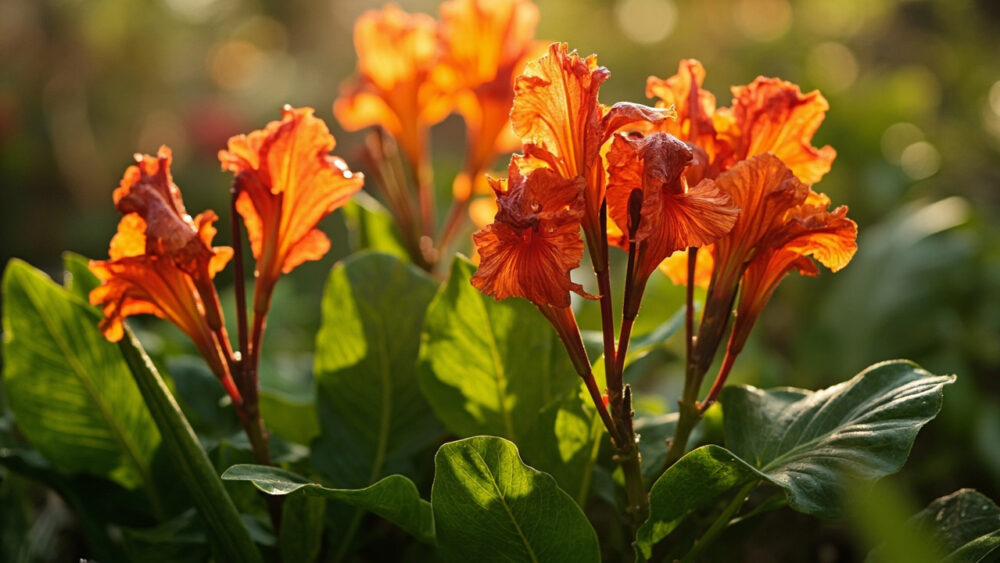
Canna rhizomes survive winter in the ground reliably in zones 7 through 10. The rhizome sits a few inches under the soil, and in those zones the ground doesn’t freeze hard enough to reach it. The plant dies back to brown mush after the first hard frost, looks completely dead, and then pushes new shoots up again once the soil warms in spring.
Zone 6 is the gray area. Some winters are mild enough that a well-mulched canna makes it. Others aren’t, and you lose the whole clump. I don’t recommend gambling on it if the plant matters to you.
Zone 5 and colder, cannas will not survive an unprotected winter outdoors. The rhizome freezes and rots. If you want them back next year in a cold zone, digging and storing is not optional, it’s the whole game.
Your zip code answers the big question, but your own soil is about to answer the smaller one.
What Your Yard Is Actually Telling You
Don’t guess your zone, check it, because half-zone differences change this answer. But even within the right zone, microclimate matters more than people expect.
A canna planted against a south-facing wall or foundation, in a raised bed, or under heavy mulch can overwinter a zone colder than an exposed spot in open lawn. The tell is the soil itself: push a trowel down where the rhizome sits in late fall. If it’s still workable and not frozen solid weeks into winter, that spot has enough thermal mass to protect the rhizome most years.
Containers are the exception that trips people up. A potted canna has no insulating mass of surrounding earth. Even in zone 7 or 8, a rhizome left in a pot outdoors can freeze solid on a night that the in-ground plants shrug off. If yours is in a container, treat it like you’re a zone or two colder than your actual rating.
That container problem is exactly why so many “hardy” cannas die in year two, and it’s fixable.
What Happens Over Winter, and What Comes Back
In warm zones, expect the foliage to blacken and collapse after the first frost. That’s normal, not a sign of disease. Leave it alone until it’s fully dead, then cut it back to a few inches and mulch over the crown with 3 to 4 inches of straw, shredded leaves, or bark mulch.
Come spring, once the soil warms past roughly 60°F a few inches down, new shoots push up from the same rhizome. They often come up later than people expect, sometimes not until late spring, well after other perennials have leafed out. Don’t panic and dig around looking for signs of life in early spring; disturbing the rhizome does more harm than the wait does.
A returning canna is usually bigger the second year. The rhizome clump multiplies underground, so a single plant this year can be a small colony by next summer, which is one of the real rewards of letting them come back rather than restarting from scratch.
If your zone won’t let that happen naturally, here’s how to force the same result indoors.
How to Overwinter Cannas in Cold Zones
If you’re in zone 6 or colder and want the same rhizome back next year, dig it up after the first light frost blackens the foliage but before a hard freeze hits the ground.
- Cut the stalks down to 4 to 6 inches.
- Lift the whole rhizome clump carefully with a garden fork, keeping as much root mass intact as you can.
- Shake off excess soil but don’t wash it, and let the clump air-dry in a shaded, airy spot for a day or two.
- Pack it in a box or crate with barely damp peat moss, sawdust, or vermiculite so it’s cushioned but not wet.
- Store somewhere dark and cool, roughly 40 to 50°F, like an unheated basement or attached garage that doesn’t freeze.
- Check on it monthly. If it shrivels, mist the packing material lightly. If you see rot, cut that section away immediately.
Replant outdoors once the soil has warmed and all frost danger has passed, generally two to three weeks after your last frost date.
That’s real effort every fall, and for some gardeners it’s simply not worth it.
When Treating Cannas as Annuals Is the Better Play
If you don’t have a cool, dark, frost-free place to store rhizomes, buying new canna bulbs each spring is often the more realistic choice, not a failure. Storage space is the real bottleneck for most cold-climate gardeners, more than effort or skill.
Treating cannas as annuals also makes sense if you like changing up color and height every year, since named varieties are inexpensive relative to the work of digging, drying, and babysitting rhizomes all winter.
It’s also the honest call if last year’s storage attempt ended in a moldy, mushy box. That happens. Rhizome rot in storage is common, not a sign you did everything wrong, and it doesn’t mean you should give up on cannas, just maybe on storing them.
Whichever route fits your winter and your patience, here’s the whole answer in one place.
Canna Lilies: Quick Reference
- Direct answer: canna lilies are reliably perennial and come back every year in zones 7 through 10, without digging.
- Cold zones: in zone 6 and colder, rhizomes must be dug and stored indoors over winter or the plant will not survive.
- Borderline zone 6: heavy mulch and a protected spot sometimes get you through, but it’s not consistent year to year.
- Containers: pots offer no insulation, so treat potted cannas as a zone or two colder than your rated zone.
- Spring return: new shoots often emerge later than other perennials, once soil hits roughly 60°F, and clumps get larger each year.
- Storage conditions: dig after first frost blackens foliage, dry briefly, pack in barely damp peat or vermiculite, store at 40 to 50°F.
- When to skip storage: if you lack cool, dry storage space, buying fresh rhizomes each spring is a practical, low-stress alternative.
Cannas reward almost anyone who gives them heat and water all summer.
Whether that plant comes back on its own or comes back because you dug it up is really just a question of your zone and how much fall digging you’re up for.