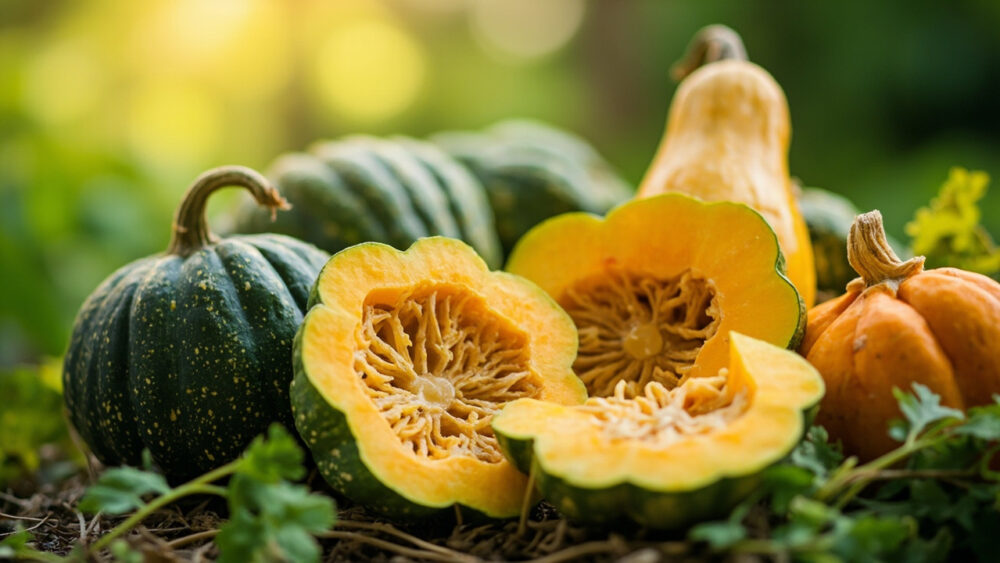
Yes, you can freeze squash, but summer squash and winter squash need almost opposite treatment to survive the freezer without turning to mush. Summer squash like zucchini and yellow crookneck need a quick blanch before freezing or they go watery and bitter. Winter squash like butternut and acorn need to be cooked first, because raw winter squash freezes into something with the texture of wet cardboard.
That difference is the mistake that ruins most people’s first attempt. They freeze zucchini raw because it looks fine going into the bag, and three months later they pull out a soggy, flavorless brick.
Below I will walk through the exact steps for both types, how long each version actually holds up, the prep that makes or breaks the batch, and the visual signs that tell you a squash has already turned before you even got it into a bag. Stick around for the Squash at a Glance card at the bottom, it is built to save to your phone so you have the timing and steps in front of you next time you are standing at the counter with a pile of squash and no plan.
Freezing Summer Squash: Blanch First, No Exceptions
Wash the squash, trim the ends, and slice it into rounds about 1/2 inch thick, or shred it if you plan to use it in baked goods later. Bring a pot of water to a full boil and drop the pieces in for 2 to 3 minutes for slices, or about 1 minute for shredded squash.
Pull it immediately and plunge it into ice water for the same amount of time you blanched it. This stops the cooking and locks in color and texture.
Drain it well and pat it dry, then spread the pieces on a sheet pan and freeze for an hour or two before bagging. That single flash-freeze step keeps the pieces from fusing into one solid clump.
Skip the blanch and you are setting up the exact failure everyone blames on “freezing squash just doesn’t work.”
Freezing Winter Squash: Cook It Before It Ever Sees the Freezer
Butternut, acorn, delicata, and other winter squash freeze best already cooked, either roasted, steamed, or boiled until fork-tender. Scoop the flesh from the skin, mash it or leave it in chunks depending on how you plan to use it, and let it cool completely.
Pack it into freezer bags or rigid containers in portions you will actually use, a cup or two at a time works well for soups and purees. Press out as much air as you can before sealing.
If you assumed winter squash freezes the same raw way you’d freeze bell peppers or corn, that guess is exactly backward here. Raw winter squash flesh is dense and full of water in a way that breaks down badly in the freezer, going stringy and separating when it thaws.
Cooked first, it holds its flavor and texture remarkably well for a vegetable that started out this dense.
How Long Squash Actually Keeps, Each Way
Fresh summer squash on the counter is only good for a day or two before it softens. In the fridge, whole and unwashed, it holds for 5 to 7 days.
Blanched and frozen, summer squash keeps its quality for 10 to 12 months. It will technically stay safe to eat longer than that, but flavor and texture start fading past a year.
Winter squash whole and uncut is the marathon runner of the bunch, storing for 1 to 3 months at room temperature in a cool, dry spot, and up to 6 months for hard-shelled types like hubbard if properly cured. Cooked and frozen, winter squash holds well for 10 to 12 months too.
Notice the pattern: it is not the squash type that determines freezer life nearly as much as whether you prepped it correctly going in.
The Curing Step Everyone Skips on Winter Squash
Here is the honest answer to the question you were probably about to ask: does winter squash need to be cured before freezing? Not before freezing, but curing matters enormously if you are storing it whole first.
Curing means letting freshly harvested winter squash sit in a warm spot, around 80 to 85°F, for 7 to 10 days. This hardens the skin and heals over the stem scar, which is what lets it store for months instead of weeks.
Skip curing and a winter squash you planned to store whole will often soften and rot within a few weeks, long before you get around to cooking and freezing it.
Curing is a storage trick, not a freezing requirement, but it buys you the time to freeze it properly instead of rushing.
The Signs a Squash Has Already Turned
Before you freeze anything, check what you are working with. A summer squash that has gone soft, wrinkled, or has sunken, slimy patches is past saving, freezing will not revive it.
Bitter taste is a separate red flag, unrelated to spoilage. Occasionally squash develops a compound that makes it intensely bitter, sometimes linked to stress during growing or accidental cross-pollination with ornamental gourds. If a raw bite tastes soapy or sharply bitter, don’t cook or freeze that squash, and don’t eat more of it.
For winter squash, look for soft spots, mold at the stem end, or a hollow, light feel for its size. Any of those mean it is breaking down inside even if the skin looks fine.
A squash that already smells sour or fermented at the cut edge should go in the compost, not the freezer, no amount of blanching fixes that.
The Mistakes That Ruin an Otherwise Good Batch
Freezing summer squash raw is mistake number one, and it’s the big one. The second most common mistake is not drying the pieces well enough after blanching, which leads to ice crystals and freezer burn.
- Skipping the ice bath: squash keeps cooking from residual heat and turns mushy before it even freezes.
- Packing too much in one bag: big frozen clumps thaw unevenly and turn watery in the middle.
- Not portioning ahead: you end up thawing a pound to use two cups, then refreezing the rest, which wrecks texture.
- Leaving air in the bag: trapped air is what causes freezer burn, the grayish, dry patches that taste like nothing.
- Freezing overripe squash: squash that’s already gone soft or seedy freezes into something worse, not better.
Every one of these mistakes is avoidable with about five extra minutes of prep, which is cheap insurance for a whole season’s harvest.
Squash at a Glance
- Summer squash prep: wash, slice 1/2 inch thick, blanch 2 to 3 minutes, ice bath, dry, flash-freeze on a tray, then bag.
- Winter squash prep: cook until fork-tender, scoop flesh, cool fully, portion into 1 to 2 cup amounts before freezing.
- Freezer life: both types hold best quality for 10 to 12 months, still safe but declining in flavor after that.
- Fridge life, uncut: summer squash lasts 5 to 7 days, winter squash lasts weeks to months depending on curing.
- Curing winter squash: 7 to 10 days at 80 to 85°F if storing whole, not needed if cooking and freezing right away.
- Never freeze: squash with soft spots, sliminess, sour smell, or a bitter, soapy taste on a raw bite.
- Biggest mistake to avoid: freezing summer squash raw without blanching first, it turns watery and bland every time.
Blanch your zucchini, cook your butternut, and dry everything well before it hits the bag. Get those three things right and the freezer will hold your squash harvest almost as well as the day you picked it.