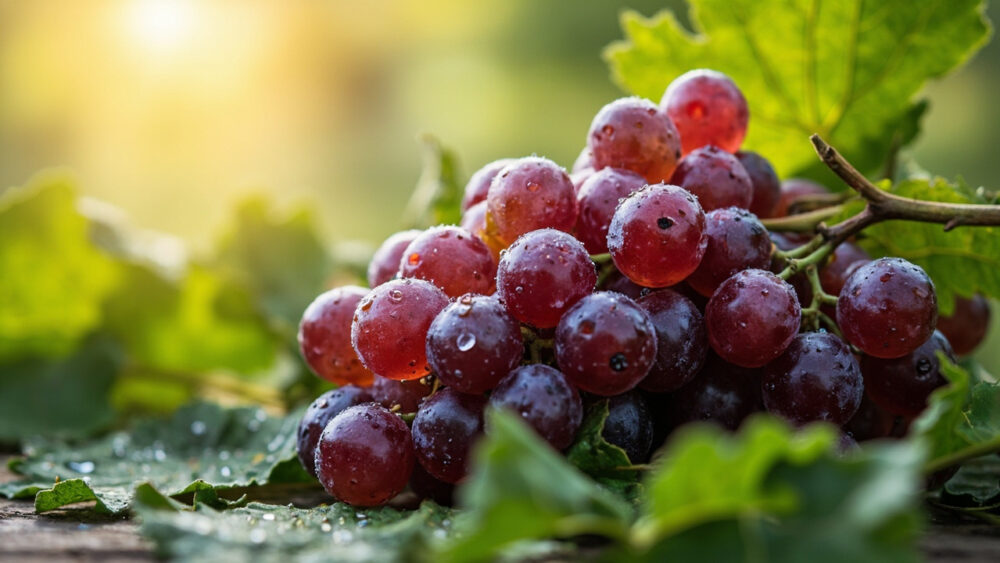
Yes, you can freeze grapes, and it might be the single most useful thing you do with a bag of grapes all year. Wash them, dry them completely, pull them off the stems, and freeze them in a single layer on a tray before bagging them up. Done right, they keep their shape, their flavor, and that snap-frozen texture for eight to twelve months.
Done wrong, you get a solid brick of grape-flavored ice, a bag of mushy skins, or fruit that tastes like your freezer’s leftover onion smell. There is one step almost everyone skips that causes most of that, and it happens before the grapes ever go in the freezer.
Below I will walk through the exact method, how long frozen grapes actually last compared to fridge grapes, the mistakes that ruin a batch, and the signs that tell you a grape has turned before you even get to freeze it. Save the Grapes at a Glance card at the bottom for the fast version.
The Method That Actually Works
Start with dry grapes. Wash them under cool running water, then spread them on a towel and let them air dry for 15 to 20 minutes, or pat them dry yourself. Wet grapes freeze into a clump, and a clump means you thaw the whole bag just to get a handful.
Pull the grapes off their stems. Freezing them on the stem works too, but you lose the grab-and-eat convenience that’s the whole point of doing this.
Spread them in a single layer on a parchment-lined sheet pan, not touching each other. Freeze uncovered for two to three hours, until they’re solid.
Then transfer to a freezer bag or airtight container, press the air out, and label it with the date.
That single-layer freeze first is the difference between individual grapes you can pour by the handful and a fused block you have to chip at with a butter knife.
How Long Grapes Actually Keep, Each Way
On the counter, grapes hold up maybe one to two days before they start softening, especially in a warm kitchen. Grapes are not a ripen-on-the-counter fruit, so this is really just short-term holding, not storage.
In the fridge, unwashed and in a partly open bag or a container with airflow, grapes last three to four weeks if you started with firm, tight-skinned fruit. Washed grapes stored wet in a sealed bag will mold in days, which is the opposite of what most people assume.
Frozen grapes, done the flash-freeze way above, hold their quality for eight to twelve months. They’re technically safe well past that, but the texture starts going soft and grainy after about a year as ice crystals slowly work on the flesh even in a well-sealed bag.
Here’s the honest answer to the question you’re probably about to ask next: no, you cannot freeze grapes and then thaw them back to fresh, crisp, table-grape texture.
Why Thawed Grapes Never Feel the Same, and Why That’s Fine
If you’re picturing thawed grapes snapping like fresh ones, drop that expectation now. Freezing turns the water inside each grape into ice crystals, which rupture the cell walls. When they thaw, that structure is gone and the grape goes soft, almost slushy.
That’s not a mistake, it’s just physics, and it’s exactly why frozen grapes are best used frozen or barely thawed, not thawed all the way and put in a fruit bowl.
Eaten straight from the freezer, they’re a genuinely great snack, halfway between a grape and a small sorbet. Tossed frozen into wine, lemonade, or sparkling water, they chill the drink without watering it down the way ice cubes do.
Blended straight from frozen, they make a thick, almost soft-serve textured smoothie base with zero added ice.
Where they don’t work well is baking or any recipe that wants a grape to hold its shape and stay firm, since a thawed grape releases a lot of water fast.
Once you know what job frozen grapes are actually good at, the next question is what ruins them before they get that chance.
The Mistakes That Ruin a Batch
- Skipping the pre-freeze: bagging wet or warm grapes straight into the freezer gives you one giant fused clump instead of scoopable individual grapes.
- Freezing them wet: water left on the skin turns to a frosty shell and waters down the texture and flavor as it thaws.
- Using a bag that isn’t sealed well: grapes in the freezer are like a sponge for freezer odors, and a loosely closed bag will pick up smells from whatever else is in there within a couple of weeks.
- Freezing overripe or split grapes: any grape that’s already soft, leaking, or wrinkled will only get worse once frozen and thawed, never better.
- Forgetting to date the bag: frozen grapes all look the same after month three, and without a label you’ll have no idea if you’re eating a fresh batch or one from last spring.
Most of these mistakes trace back to one root cause: rushing the prep because freezing feels like a simple toss-and-forget task.
If your grapes never even make it to the freezer looking right, the problem started earlier, at the fruit itself.
Signs the Grapes Have Already Turned
Check the stem end first. Grapes that are browning or shriveling right where they meet the stem are already past their best days, even if the rest of the grape looks fine.
A strong vinegar or fermented smell means fermentation has started, and that grape should go in the compost, not the freezer.
Soft spots, wrinkled skin, or any grape that’s noticeably mushy when you gently squeeze it is done. Freezing does not reverse spoilage, it only pauses whatever state the grape was already in.
A few soft grapes in an otherwise firm bunch just need to be picked out and tossed, not treated as a reason to write off the whole bunch.
Visible mold, usually a fuzzy gray or white patch near the stem cluster, means the whole bunch should be checked closely, since mold spreads through touching grapes faster than most people expect.
Freeze grapes at their best, not as a last-ditch rescue for grapes that are already going, and you’ll actually want to eat what comes out of that bag.
Grapes at a Glance
- Can you freeze grapes: yes, wash, dry completely, remove from stems, freeze in a single layer, then bag once solid.
- Fridge storage: three to four weeks, unwashed, in a container or bag that allows some airflow.
- Freezer storage: eight to twelve months for best texture and flavor, safe longer but softer over time.
- Counter storage: one to two days before grapes start softening.
- Best use for frozen grapes: straight from the freezer as a snack, in cold drinks, or blended into smoothies.
- Worst use for frozen grapes: anywhere you need the grape to hold its shape after thawing, like baking.
- Biggest mistake: skipping the single-layer pre-freeze, which fuses the whole bag into one solid clump.
Freeze grapes dry, in a single layer, and labeled, and they’ll keep their shape and their appeal for most of a year.
Skip any one of those steps and you’ll still have frozen grapes, just not the good kind.