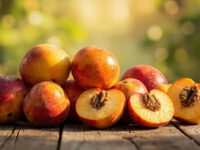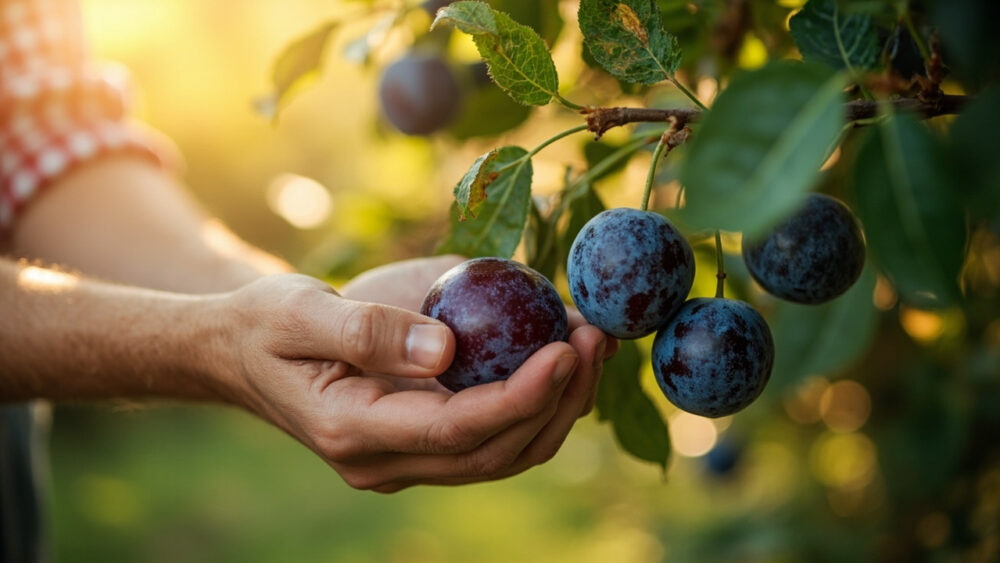
When to harvest plums comes down to a gentle tug test: the fruit should come off the branch with a light twist and no resistance, the skin should show full color with no green undertone near the stem, and the flesh should give slightly when you press it with a thumb. For most varieties that window lands somewhere between mid summer and early fall, depending on your climate and the cultivar. Get it right and you get the best plum you will eat all year, get it wrong and you either pick a rock or lose the crop to wasps overnight.
Here is what trips people up. Most gardeners judge a plum by color alone, and that guess costs them a week of flavor they will never get back. There is also a mistake that ruins entire harvests in a single afternoon, a specific sign that means you have maybe 48 hours left, and an honest answer about why plums on the same tree ripen days apart instead of all at once.
Stick with me through the signs, the timing window, and the harvest method, and at the bottom you will find a save-able Plums at a Glance card with the numbers worth keeping on your phone.
The Color Guess That Fools Almost Everyone
If you assumed full color means ripe, that guess is why so many plums end up tart and mealy. Plums develop their final skin color days, sometimes a full week, before the sugar inside actually peaks. A Santa Rosa plum can look deep red and still taste like a sour cherry.
Color tells you to start checking, not to start picking. Once the skin loses its last green blush and deepens into its variety’s true shade, whether that is red, purple, yellow, or nearly black, that is your cue to move to the real tests: feel and taste.
Color gets you close. Touch and taste get you right.
What to Look and Feel For
The Give Test
Cup the plum in your palm and press gently near the stem end with your thumb. A ripe plum yields slightly, the way a ripe peach does, without your thumb leaving a permanent dent. If it feels hard as a golf ball, it needs more time on the branch.
The Twist Test
Grip the fruit and give it a quarter turn. A ripe plum separates from the stem with almost no pull. If you have to yank or the stem strips bark off the branch, it is not ready and you risk hurting the spur that would fruit again next year.
The Smell and the Bloom
Ripe plums give off a faint, sweet perfume even before you cut into one. Many varieties also develop a dusty gray-white bloom on the skin, a natural waxy coating that is a good ripeness sign, not dirt to wipe off before picking.
Once two of these three signs agree, you are in the harvest window.
The Timing Window, and What Early or Late Actually Costs You
Most plum varieties ripen over a two to three week stretch starting anywhere from early summer to early fall, depending on the cultivar and your zone. European plums like Stanley and Damson tend to run later, Japanese types like Santa Rosa and Methley run earlier. Your tree will not ripen all its fruit on one day, and that is normal, not a problem.
Picking early gets you a plum that will soften slightly in storage but never sweeten. Plums do not ripen off the tree the way peaches or bananas do, so an underripe plum is stuck at underripe flavor for good.
Picking late is the costlier mistake. Overripe plums drop overnight, split their skins after rain, and draw wasps and yellow jackets fast, sometimes within a day or two of hitting peak ripeness. If you see the ground under the tree littered with fruit, you have already lost that batch.
The honest truth is you will be out there checking the tree every two or three days for a couple of weeks, not doing one big harvest day.
How to Harvest Without Damaging the Tree
Pick in the cool of morning once any dew has dried. Plums are softer and more prone to bruising in afternoon heat.
- Support the fruit in your palm, do not just grab and pull downward on the branch.
- Twist gently a quarter turn while lifting slightly, letting the stem separate naturally.
- Leave the stem on if it comes off easily. Plums with intact stems store noticeably longer than stemless ones, which bruise and rot from the wound.
- Set, don’t drop, fruit into a shallow, wide container. Stacking plums more than two layers deep bruises the bottom ones under their own weight.
- Work branch by branch, checking each fruit rather than stripping the whole limb at once, since ripeness varies even side by side.
A bruised plum is a plum that rots in three days instead of holding for two weeks, so gentle handling here is not optional.
Right After Harvest: The Part People Skip
Get ripe plums out of direct sun immediately. Heat pushes them from ripe to mushy within hours.
Sort as you go. Any fruit with a split skin, a soft bruised spot, or wasp damage should be set aside to eat or process that same day, not mixed in with fruit you plan to store.
Unwashed plums stored dry in a single layer in the refrigerator will hold for one to two weeks. Wash them right before eating, not before storing, since moisture speeds up rot.
If you have more ripe fruit than you can eat this week, you have options, and they are easier than most people expect.
Keeping the Harvest Going, and What to Do With the Overflow
A mature plum tree can drop far more fruit in a short window than one household eats fresh, so plan for the overflow before it happens.
Slightly underripe fruit can finish softening at room temperature over two or three days, though it will not gain sweetness, only softness.
For the glut, plums freeze well halved and pitted, cook down easily into jam or sauce, and dry into a firm, chewy fruit leather-adjacent snack if sliced thin and dehydrated. Whole plums also freeze fine if you plan to cook with them later, skins and all.
Check back every two to three days through the ripening window rather than once a week, since a tree can go from a few ready fruits to a full drop in that gap.
Plums at a Glance
- Ripeness test: skin fully colored with no green, slight give under gentle thumb pressure, and a quarter twist releases the fruit without resistance.
- Harvest window: a two to three week stretch, timed anywhere from early summer to early fall depending on the variety and your climate.
- Best time of day: morning, after dew has dried, before afternoon heat softens the fruit further.
- Common mistake: judging ripeness by color alone, which reads ready up to a week before the flavor actually is.
- Handling rule: support the fruit, twist gently, leave the stem on, and never stack more than two layers deep in the harvest container.
- Storage: unwashed and dry in a single layer in the refrigerator, good for one to two weeks.
- Overflow plan: freeze halved and pitted, cook into jam or sauce, or slice thin and dehydrate.
Trust the twist and the give over the color, every time.
Pick a little at a time, check the tree often, and you will get more good plums than any single harvest day could ever give you.