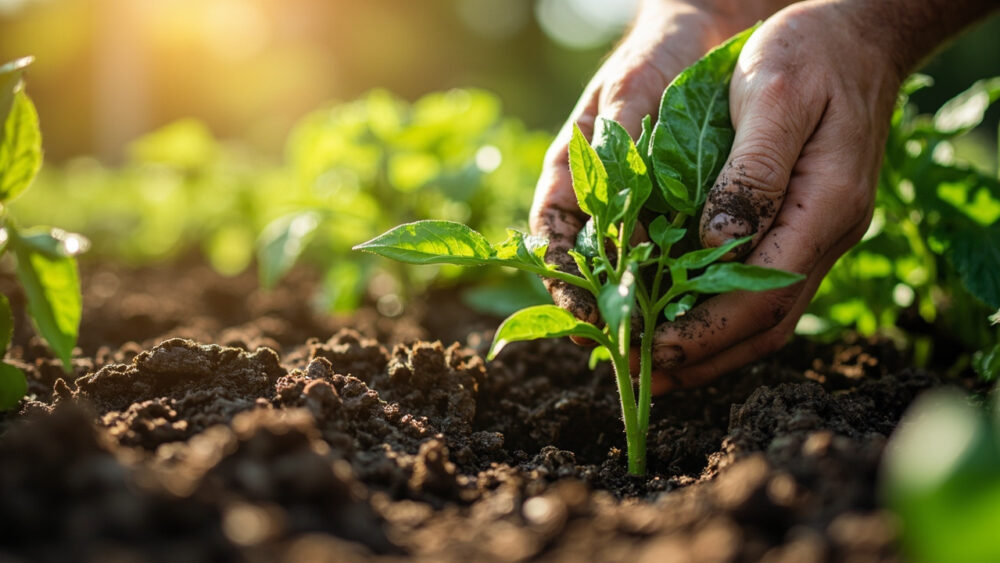
The right time to transplant peppers outdoors is two to three weeks after your last frost date, once nighttime temperatures stay above 55°F and soil has warmed to at least 60°F. Move too early and the plants just sit there, stalled, sometimes for weeks, sulking in cold soil instead of growing. That timing question is the whole game for anyone wondering when to transplant peppers, but it is not the only thing that decides whether you get a full harvest or a handful of sad peppers in October.
There is a mistake almost everyone makes with pepper transplants, and it has nothing to do with the calendar. It is about what you do to the plant in the week before it goes in the ground, and skipping it is the single most common reason healthy six-inch seedlings turn yellow and drop their leaves within days of planting.
There is also a sign gardeners misread constantly: a pepper transplant that looks droopy and pathetic the first sunny afternoon after planting. Most people assume it needs water immediately. Sometimes that guess is right. Often it is not, and dumping water on the problem makes it worse.
Stick with me through the planting steps and the season-long care, and save the “Peppers at a Glance” card at the very bottom. It has every number you need on a phone screen while you are standing in the garden.
When to Plant: Reading Soil Temperature, Not the Calendar
Peppers are tropical plants pretending to be annual vegetables. They do not forgive cold soil the way tomatoes sort of do.
Wait until soil temperature at a 4-inch depth holds steady above 60°F, ideally 65 to 70°F, for several days running. A simple soil thermometer tells you this in seconds. Air temperature lies to you, soil temperature does not.
In most of zones 5 to 7, that means two to three weeks after your last frost date, often into late May or early June. In zones 8 to 10, you can move sooner, sometimes April, since soil warms faster and frost risk clears earlier.
Nighttime air temperature matters just as much as soil. If nights are still dropping into the upper 40s, hold off even if soil temperature looks fine, since cold air alone can stunt pepper growth for weeks.
Getting the date right only matters if the plant itself is ready, and that is where most transplants actually go wrong.
The Step Everyone Skips: Hardening Off
If you guessed that overwatering is the top pepper-killing mistake, that is a reasonable guess, but it is not the biggest one. The real culprit is transplant shock from skipping hardening off, and it wrecks more pepper starts than bad watering ever does.
Seedlings raised indoors or in a greenhouse have never felt real wind, direct sun, or temperature swings. Move them straight into the garden and the leaves can scorch, bleach white, or drop within 48 hours.
Harden off over seven to ten days. Start with an hour or two in a shaded, wind-protected spot, then add an hour daily. By day seven or eight, they should handle a full day outside, including a few hours of direct sun, before you plant them for good.
Skip this step in a hurry and you can lose two to three weeks of growth to recovery, which sometimes costs you the whole harvest window in short-season climates.
Once your seedlings have toughened up outside, the next decision is where they actually go in the ground.
Choosing the Spot and Prepping the Soil
Peppers want full sun, six to eight hours minimum, and they want heat. A spot against a south-facing wall or fence that reflects extra warmth is a genuine advantage in cooler climates.
Soil should be loose, well-draining, and moderately fertile, with a pH between 6.0 and 6.8. Heavy clay that stays soggy is the fastest way to root rot on a pepper plant.
Work in two to three inches of compost before planting. Avoid going heavy on high-nitrogen fertilizer at this stage, since it pushes leafy growth at the expense of flowers and fruit later.
If drainage is questionable, raised beds or mounded rows solve the problem without much extra work.
Good ground is only half the job, the other half is how you actually get the plant into it.
Planting Peppers, Step by Step
- Timing: plant in the evening or on an overcast day to reduce transplant stress from sun and heat.
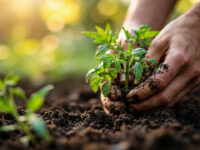
- Depth: set the plant slightly deeper than it sat in its pot, burying an inch or so of the stem, unlike tomatoes peppers don’t need to be buried much deeper than that.
- Spacing: 18 to 24 inches apart in rows spaced 24 to 36 inches apart, tighter spacing works in containers or intensive beds but reduces airflow.
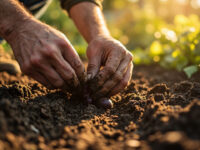
- Hole prep: dig a hole roomy enough that roots spread out, not cramped or curled.
- Handling: support the root ball, never pull by the stem, and disturb roots as little as possible.
- Water in immediately: soak thoroughly right after planting to settle soil around the roots and remove air pockets.
Get the plant in cleanly and it still needs the right rhythm of water and food to actually produce peppers.
Watering and Feeding Through the Season
Now, back to that droopy transplant. A pepper plant wilting in the first hot afternoon after transplanting is usually just adjusting, not thirsty. Check the soil an inch down first.
If soil is moist and the plant perks up by evening, it was normal transplant stress, not a watering problem. If soil is dry and crumbly, then yes, water.
Once established, peppers want about 1 to 1.5 inches of water per week, delivered deeply and less often rather than a light daily sprinkle. Consistent moisture matters more once flowering starts, since irregular watering causes blossom drop.
Feed lightly with a balanced fertilizer at planting, then switch to something higher in phosphorus and potassium once flowers appear. Too much nitrogen mid-season gives you a bushy plant with few peppers.
Mulch around the base to hold moisture and keep soil temperature steady, peppers dislike swinging between hot and cold roots.
Even with good watering and feeding, a few problems show up almost every season, and knowing them early saves the crop.
The Problems Most Likely to Strike
Blossom drop is the most common complaint, usually caused by temperatures above 90°F or below 60°F, inconsistent watering, or too much nitrogen. There is no fix mid-heatwave except patience, flowers usually return once temperatures moderate.
Blossom end rot, dark sunken patches on the fruit, comes from inconsistent watering interfering with calcium uptake, not usually a soil calcium shortage. Even watering solves it faster than any additive.
Aphids and pepper maggots show up on stressed or overcrowded plants. Good airflow from proper spacing and regular inspection catch infestations early, and insecticidal soap applied per the label handles most aphid problems.
Sunscald hits fruit on plants that lost leaves to disease or over-pruning, leaving peppers exposed to direct afternoon sun.
Catch these early and your plants sail through to the part everyone is actually waiting for.
When and How to Harvest
Most peppers reach mature green stage 60 to 90 days after transplanting, depending on variety. That is picking-ready for bell peppers if you want them green.
For full color, sweetness, and heat, wait longer. Bell peppers take another two to three weeks past green to turn red, yellow, or orange. Hot peppers like jalapeños and cayennes also deepen in heat as they mature and change color.
Use scissors or pruners rather than pulling, twisting off fruit can snap brittle branches. Harvesting regularly encourages the plant to keep setting new flowers rather than putting all its energy into a few fruits.
Everything above gets you there, but here is the whole thing condensed for when you are standing in the garden with dirt on your hands and no patience for scrolling.
Peppers at a Glance
- When to plant: two to three weeks after last frost, once soil hits 60°F or warmer and nights stay above 55°F.
- Hardening off: seven to ten days of gradually increasing outdoor exposure before transplanting.
- Spacing: 18 to 24 inches apart, rows 24 to 36 inches apart.
- Planting depth: an inch or so deeper than the pot line, roots spread out, not curled.
- Water needs: 1 to 1.5 inches per week, deep and consistent, especially once flowering starts.
- Common trouble: blossom drop from heat stress, blossom end rot from uneven watering, both mostly fixed by consistency, not additives.
- Harvest window: 60 to 90 days after transplant for green stage, two to three weeks more for full color.
If you remember one thing, remember this: peppers punish rushed timing and rushed hardening off more than almost any other garden mistake. Get the soil warm and the plant toughened up first, and the rest of the season takes care of itself.