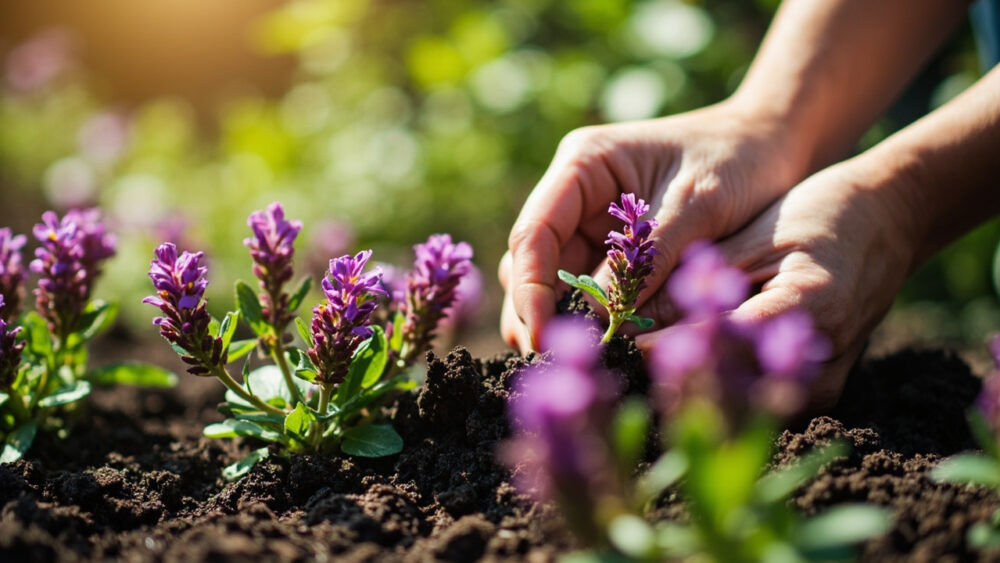
Growing verbena starts with getting the timing and drainage right: plant after your last frost once soil hits about 60°F, give it full sun and gritty, fast-draining soil, and water deeply but infrequently once it’s established. Get those three things right and verbena more or less takes care of itself, blooming nonstop from early summer into fall. Get them wrong and you’ll spend the season fighting powdery mildew and root rot instead of enjoying flowers.
Here’s what trips people up. Most gardeners kill verbena with kindness, specifically with a hose, because they treat it like a thirsty annual instead of the drought-tolerant plant it actually is. There’s also a sign of trouble that looks exactly like a watering problem but isn’t, and if you guess wrong on that one you’ll make it worse. And there’s an honest answer coming about how long bloom really lasts and what you have to do to keep it going all summer, which isn’t nothing.
Stick with me through the growing steps and I’ll get you to the Verbena at a Glance card at the bottom, the kind of thing worth saving to your phone before you head out to the garden center.
When to Plant Verbena
Verbena is frost-tender, so wait until all frost danger has passed and soil has warmed to at least 60°F, which usually lines up with two to three weeks after your average last frost date. Planting too early into cold, wet soil is a bigger risk than planting a bit late.
In zones 7 and warmer, verbena often behaves as a short-lived perennial and can go in slightly earlier since winters are mild. In zones 6 and colder, treat it strictly as an annual and don’t rush the calendar just because the garden centers stocked it.
If you’re starting from seed indoors, count back 10 to 12 weeks before your last frost, and know upfront that verbena seed is slow and uneven to germinate, often taking two to three weeks. Most home gardeners skip that hassle and buy started plants instead.
Soil temperature decides your start date more than the calendar does.
Choosing the Spot and Prepping the Soil
Verbena wants full sunat least six hours a day, and it wants soil that drains fast. This is the single biggest factor in whether your plants thrive or rot, and it’s where most losses actually start.
Heavy clay that stays damp is verbena’s enemy. If your soil holds water after rain, work in coarse sand, small gravel, or compost to loosen it, or better yet, plant in raised beds or containers where you control drainage completely.
Verbena isn’t picky about fertility. It actually blooms better in soil that’s a little lean than in soil that’s rich and constantly moist. Skip heavy compost amendments; a light topdressing is plenty.
Good drainage isn’t a nice-to-have here, it’s the whole game.
Planting Verbena Step by Step
Whether you’re setting out nursery starts or transplanting your own seedlings, the process is the same.
1. Space plants correctly
Space upright varieties 12 to 18 inches apart, and trailing or groundcover types 12 to 24 inches apart depending on the cultivar’s spread. Crowding invites poor air circulation, which is the fastest route to mildew.
2. Set the depth right
Plant at the same depth the plant was growing in its pot, no deeper. Burying the crown or stem base holds moisture against it and invites rot.
3. Backfill and firm gently
Fill in around the roots, firm the soil lightly with your hands, and don’t compact it hard. Verbena roots want to breathe, not be packed in concrete.
4. Water in once, then back off
Give it one good soaking at planting to settle the roots, then let the top inch or two of soil dry out before watering again. This is the habit that decides everything from here.
Now comes the part where most people undo all that good planting work with a hose.
Watering and Feeding Through the Season
If you assumed more water means more blooms, that guess kills more verbena than drought ever does. Once established, verbena wants to dry out between waterings, and soggy soil is the top cause of root rot and crown collapse in this plant.
Check the top inch of soil with a finger before watering. If it’s still damp, wait. In-ground verbena often needs water only once a week in normal conditions, more often in extreme heat or containers, which dry out faster and may need water every two to three days in summer.
Feed lightly. A balanced liquid fertilizer diluted to half strength every three to four weeks is enough, or a slow-release granular applied once at planting. Overfeeding pushes soft, leggy growth that flops and blooms less.
Deadheading spent flower clusters and shearing plants back by a third in mid-summer, if they start looking stretched and thin, keeps new buds coming instead of the plant going to seed.
Get the water habit right and you’ve solved most of what could go wrong, but not all of it.
Problems That Actually Strike Verbena
Here’s the sign everyone misreads: powdery gray-white coating on leaves looks like a fungus problem you can spray your way out of, and often people assume it means the plant needs more water. It’s powdery mildew, and it’s caused by exactly the conditions crowding and overwatering create, poor airflow and damp foliage. More water makes it worse, not better.
Fix it by improving air circulation, spacing plants further apart next round, watering at the soil line instead of overhead, and removing badly affected foliage. If it’s severe, a fungicide labeled for powdery mildew on ornamentals can help; follow the product label exactly.
Other common issues:
- Root rot: yellowing leaves and a mushy base, caused by wet, poorly drained soil. Often not recoverable once the crown is soft. Improve drainage before replanting.
- Aphids and spider mites: stippled or curled leaves, especially in hot, dry stretches. A strong water spray or insecticidal soap applied per the label usually handles it.
- Leggy, sparse growth: too much shade or too much nitrogen fertilizer. Move to fuller sun and cut back on feeding.
None of these are common in a plant given sun, airflow, and a chance to dry out between drinks.
Handle those three risks and you’re most of the way to a full season of bloom.
When Verbena Blooms and How Long It Lasts
Here’s the honest answer to the question you’re probably about to ask: verbena typically starts blooming 8 to 10 weeks after planting and, if you keep deadheading and it doesn’t rot or mildew out, it will bloom continuously from early summer straight through to the first hard frost. There’s no single harvest moment, no “ripe” day. The flowers are the whole point, and they keep coming as long as you keep removing spent blooms and giving the plant a light haircut mid-season.
Cut fresh stems for arrangements any time clusters are fully open, in the cool of morning, and they’ll hold in a vase for about five to seven days.
That nonstop bloom is the payoff for getting the drainage and watering right earlier.
Verbena at a Glance
- When to plant: two to three weeks after last frost, once soil is at least 60°F.
- Spacing: 12 to 18 inches for upright types, 12 to 24 inches for trailing types.
- Planting depth: same level as the nursery pot, crown never buried.
- Sun and soil: full sun, at least six hours daily, fast-draining soil that leans on the lean side.
- Watering: deep but infrequent, letting the top inch or two dry out between waterings.
- Feeding: half-strength balanced fertilizer every three to four weeks, or one slow-release application at planting.
- Bloom window: starts 8 to 10 weeks after planting, continues to first hard frost with regular deadheading.
Verbena rewards restraint more than attention. Give it sun, sharp drainage, and a hose you use less often than you think you should, and it will bloom longer than almost anything else in the bed.