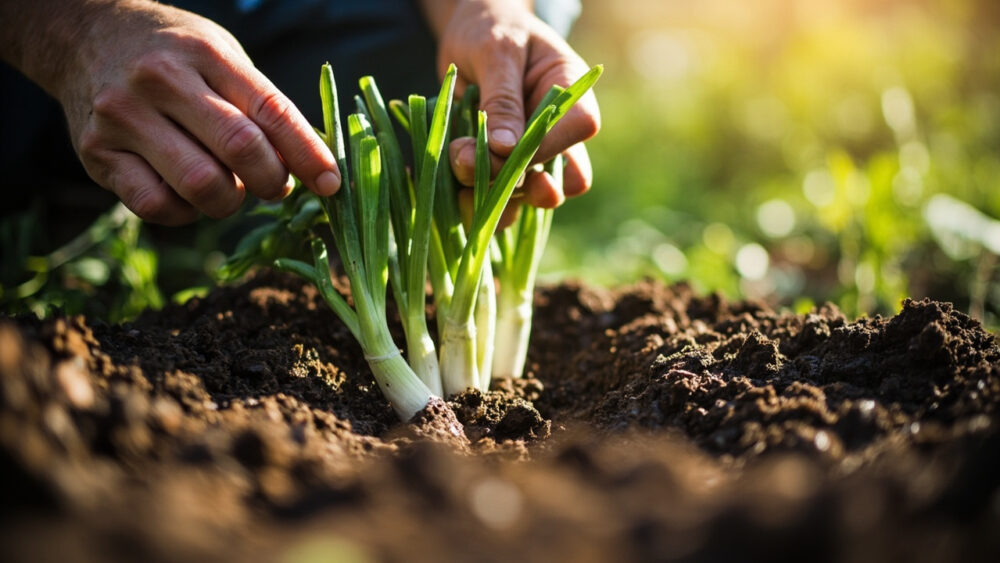
The short answer: when to plant leeks depends on whether you are starting seed indoors or setting out transplants. Start leek seed indoors 8 to 10 weeks before your last spring frost, then move seedlings to the garden 2 to 4 weeks before that last frost date, once soil has warmed to at least 45 to 50°F. If you are direct-seeding or transplanting nursery starts, aim for that same 2 to 4 week pre-frost window, since leeks shrug off light frost but sulk in cold, wet, unworked soil.
That is the calendar answer. The window that actually matters is narrower and less forgiving than most people assume, and it has almost nothing to do with the last frost date printed on the seed packet.
Before you plant, you need to know three things most guides skip: the mistake that stunts leeks permanently with no recovery, the soil sign everyone misreads as “ready” when it is not, and how to tell your actual window using your own yard instead of a chart. Stick around for the Leeks at a Glance card at the bottom, it is built to be screenshotted and checked again the day you plant.
The Real Planting Window, Anchored to Soil and Frost
Leeks are members of the onion family and they are genuinely cold-tolerant once established, tolerating light frost and even a hard freeze in fall without much drama. But young leek seedlings, the pencil-thin ones you just transplanted, are far less tough than mature plants.
The window that matters is soil temperature, not air temperature. Leek seed germinates painfully slowly below 50°F and barely at all below 45°F. Transplants handle cooler soil better than seed does, which is exactly why most home growers start indoors and move seedlings out rather than direct-seeding.
Indoors, start seed 8 to 10 weeks before your last expected frost. Outdoors, transplant 2 to 4 weeks before that frost date, once the soil has warmed into the mid-40s or better and you can work it without it clumping into mud balls.
Fall planting for a spring harvest works in mild-winter regions, zones 7 and warmer, where leeks overwinter in the ground.
Knowing the calendar date is useless if you skip the soil check, and that check is where most people go wrong next.
How to Tell YOUR Window, Not the Chart’s Window
Here is the mistake almost everyone makes: they see “45 to 50°F soil” and grab an air thermometer reading, or they just eyeball the calendar and plant on the date their region’s chart suggests. Soil temperature and air temperature are not the same thing, and soil is always slower to warm.
The honest fix is boring but it works. Push a soil thermometer 4 inches deep, first thing in the morning for three days running, and average the readings. If you do not own a soil thermometer, squeeze a handful of soil from that depth instead.
The feel test: soil that is ready crumbles loosely and feels cool but not cold, like a refrigerated potato. Soil that is still too wet and cold balls up in your fist and stays balled, holding a shiny wet sheen. That shine is the sign everyone misreads, they see dark, rich-looking soil and assume it means “fertile and ready,” when actually it means waterlogged and still too cold for roots to run.
Wait for crumble, not shine, and your transplants will take off instead of sitting still for three weeks.
Plant Too Early, and This Is What Actually Happens
Leek seedlings set into cold, wet soil do not die outright very often, which is exactly what makes this mistake so costly. They just stop.
Stunted growth is the real damage, not death. Roots sitting in soil below 45°F barely function, so the plant idles for two to four weeks doing nothing visible above ground. By the time it starts growing again, you have lost most of the head start you were trying to gain by planting early.
There is no rescue for this once it happens. You cannot warm the soil after the fact without disturbing the roots further, and pulling and replanting sets the plant back even more. The only real fix is prevention: wait for the soil, not the calendar.
Too-early planting costs you weeks. Too-late planting costs you the whole crop, and that is the harder problem.
Plant Too Late, and the Clock You Didn’t Know You Were Racing
Leeks are slow. Most varieties need 100 to 150 days from transplant to harvest, and that number does not compress just because you started late.
The honest answer to the follow-up question you are probably about to ask, “can I just plant a bit later and catch up,” is no, not really. Leeks planted late still need their full season length. Plant a month late and you either harvest a month late, into harder frost and shorter days that slow growth even further, or you harvest small, thin leeks that never bulked up.
In short-season climates, this is the difference between a real harvest and a disappointing one. If your last frost lands late and your first fall frost lands early, starting indoors on schedule is not optional, it is the only way to fit the full growing period in.
That is also why the prep work below matters more for leeks than for faster crops.
What to Do Before the Window Opens
Leeks reward prep because they are in the ground so long. Get these done before you plant, not after.
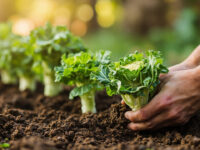
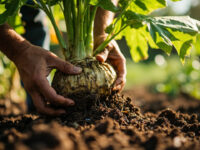
- Loosen soil deep: leeks want a trench or deeply worked bed, 8 to 10 inches down, since you will be planting them deep and hilling soil up around the stems as they grow to blanch the white shank.
- Work in compost: mix in an inch or two of finished compost before planting, leeks are heavy feeders over a long season.
- Harden off transplants: if you started seed indoors, set trays outside in a sheltered spot for a few hours a day over about a week before transplanting, to avoid shock.
- Check drainage: leeks hate sitting in soggy soil, if water pools more than a few minutes after rain, raise the bed or improve drainage before planting day.
Skip this list and you will still get leeks, just thinner ones with more weed pressure and more stems that flop over in midsummer storms.
With prep done and soil checked, the only variable left is where you garden, and that shifts the calendar meaningfully.
Zone and Region Notes That Actually Change the Date
In zones 3 to 6, treat leeks as a spring-planted, single-season crop. Start seed indoors in late winter and transplant once soil clears 45°F, usually a few weeks before your last frost, and harvest in fall before hard freeze locks the ground.
In zones 7 and warmer, you get a second option: fall planting. Set out transplants in late summer to early fall for a late winter or early spring harvest, since mild winters let leeks sit in the ground and keep growing slowly through the cold months.
In zones 8 to 10, some gardeners run leeks nearly year-round, staggering plantings in both spring and fall, though summer heat can push leeks toward premature bolting if temperatures run consistently hot for extended stretches.
Wherever you garden, the soil test still overrides the zone chart, zones tell you the general season, not this week’s actual dirt.
Now for the part worth saving.
Leeks at a Glance
- When to plant indoors: start seed 8 to 10 weeks before your last expected spring frost.
- When to transplant outdoors: 2 to 4 weeks before last frost, once soil hits at least 45 to 50°F.
- Soil check: soil should crumble loosely and feel cool, not cold and shiny wet, at 4 inches deep.
- Planting depth: set transplants 6 to 8 inches deep in a trench, or hill soil up gradually as they grow.
- Spacing: 4 to 6 inches apart in rows spaced 12 to 18 inches apart.
- Days to harvest: 100 to 150 days from transplant, depending on variety.
- Fall planting option: zones 7 and warmer can transplant in late summer to early fall for a winter or early spring harvest.
Get the soil temperature right and the rest of leek growing is patience, not skill.
Plant by feel, not by the date on the packet, and you will not be fixing a stunted bed in June.