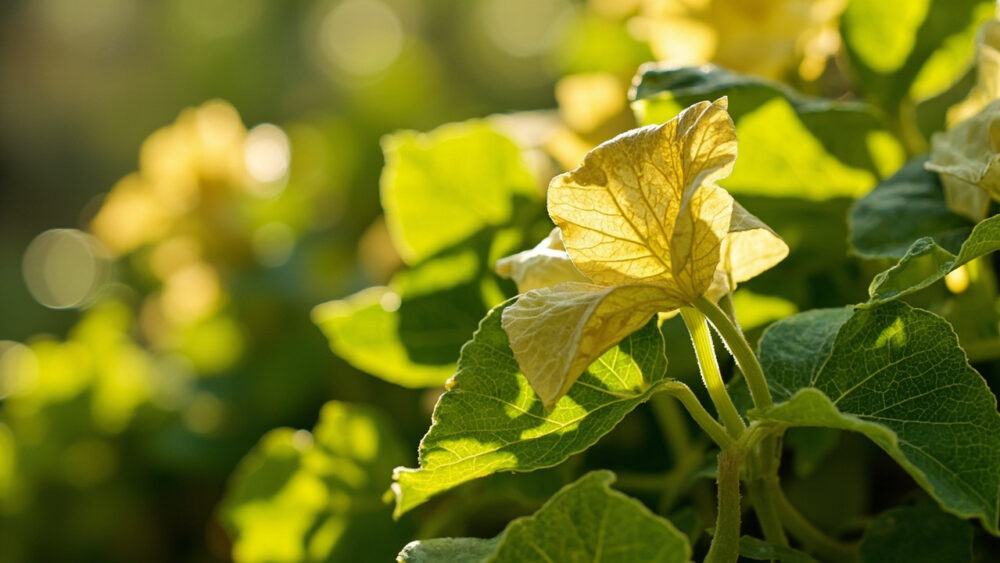
Nine times out of ten, yellow impatiens leaves mean the soil is staying too wet, either from overwatering or from a pot or bed that does not drain. The fix is simple to state and takes a week or two to show results: let the top inch or two of soil dry out between waterings and make sure water actually exits the bottom of the pot instead of pooling.
But that is not the only cause, and it is not even always the right one. Too little water causes the same yellowing, low light causes it, and so does a fertilizer problem that most people never think to check. The trick is reading exactly where on the plant the yellow shows up first, because impatiens actually tell you which problem you have if you know where to look.
Below is every real cause ranked by how often it is the actual culprit, how to confirm each one in under a minute, the fix, an honest recovery outlook, and a save-able diagnosis checklist at the very bottom you can run right at the plant.
Causes of Yellow Leaves, Most to Least Likely
1. Overwatering or Poor Drainage
This is the default cause for impatiens grown in containers or dense beds. Confirm it by pushing a finger two inches into the soil. If it feels wet, cold, or sticky and the pot has no visible drainage holes or sits in a saucer full of standing water, this is your answer.
Yellowing from overwatering usually starts on lower and inner leaves, often with a slightly limp or soft texture rather than crisp and dry.
Fix it by letting the soil dry to about an inch down before the next watering, dumping any saucer water within an hour, and repotting into a container with real drainage holes if the current one lacks them. In beds, check that water is not running off a roof or downspout onto the planting.
Get the water schedule right and the next question is whether you swung too far the other way.
2. Underwatering
Impatiens have shallow, thin roots and wilt fast when dry, and the leaves that follow the wilt often yellow and go crisp at the edges. Confirm it by checking the soil at the same two-inch depth. Bone dry, pale, and pulling away from the pot edges means this is it.
The tell against overwatering is texture: dry-stressed leaves feel papery and curl, wet-stressed leaves feel soft and hang limp.
Fix it with a thorough soak until water runs from the drainage holes, then get on a consistent schedule, typically every one to three days for containers in warm weather since impatiens dry out fast in shallow pots.
If the watering habit looks fine either way, the light the plant is getting deserves a hard look next.
3. Too Much Direct Sun
Classic impatiens (Impatiens walleriana) are shade-lovers and scorch in strong afternoon sun, especially in hot climates. New Guinea impatiens tolerate more sun but still struggle in blazing, unshaded exposure. Confirm it by checking which leaves are yellow: sun stress hits the leaves facing the sun hardest, often with bleached or brown crispy patches alongside the yellow, not just uniform pale color.
Fix it by moving containers to morning sun with afternoon shade, or by planting in-ground impatiens under trees or on the east side of structures.
If yellowing is even all over the plant instead of sun-facing, this probably is not your cause.
4. Nitrogen or Nutrient Deficiency
Impatiens are moderate feeders, and in a container that has not been fertilized in a while, or in old, spent potting mix, they run out of nitrogen. Confirm it by looking at the oldest, lowest leaves first. Uniform pale yellow-green, not blotchy, with the plant otherwise looking undersized and slow to flower, points here.
Fix it with a balanced liquid fertilizer at quarter to half strength every two to four weeks through the growing season, or a slow-release granular worked into the topsoil at planting.
Do not overcorrect here, because too much fertilizer causes its own kind of leaf damage.
5. Fertilizer Burn or Salt Buildup
Too much fertilizer, or fertilizer applied to dry soil, scorches roots and shows up as yellowing with brown, crispy leaf edges or tips. Confirm it by checking for a white or crusty film on the soil surface or pot rim, a common sign of salt buildup from repeated feeding.
Fix it by flushing the pot with plain water, running about twice the pot’s volume through the drainage holes, and holding off fertilizer for three to four weeks.
If none of the watering, light, or feeding story fits, it is worth ruling out something living in the soil.
6. Root Rot or Fungal Disease
Chronic overwatering that goes uncorrected leads to root rot, and by the time leaves yellow across the whole plant with a mushy, blackened base or a sour smell at the soil line, the roots are already compromised. Confirm it by gently tugging the plant, or checking exposed roots at the pot edge; healthy roots are white and firm, rotted ones are brown, slimy, and fall apart.
Fix it by trimming away rotted roots and repotting into fresh, well-draining soil if caught early, though advanced rot usually means starting over with new plants.
How far this has gone determines whether you are treating the plant or replacing it, which the recovery section below spells out plainly.
7. Natural Aging or End-of-Season Decline
Impatiens are tender annuals in most climates, and by late summer or after the first light frost, lower leaves yellow and drop as the plant winds down naturally. Confirm it by checking the calendar and the pattern: a few scattered old leaves yellowing on an otherwise healthy, still-flowering plant late in the season is normal wear, not a problem.
There is no fix here beyond deadheading spent leaves and enjoying the last blooms, since this is simply the plant’s life cycle.
Once you have ruled that out, the side-by-side comparison below makes the real diagnosis fast.
How to Tell the Causes Apart
Where the yellowing starts is the single best clue. Lower and inner leaves first usually means water or nitrogen. Sun-facing leaves first means light stress. All-over, sudden yellowing means root rot or serious water stress.
Leaf texture matters just as much as color. Soft and limp points to too much water, crisp and curling points to too little, and brown crusty edges point to fertilizer burn.
Check the base of the plant last. A blackened, mushy stem or foul smell at the soil line means rot, not a simple watering fix.
Once you know which pattern matches your plant, the next honest question is what happens from here.
Will It Recover?
Overwatering and underwatering cases recover well, usually within one to two weeks of correcting the schedule, as long as the roots themselves are still firm and white.
Sun scorch and nutrient deficiency also bounce back within a couple of weeks of fixing light or feeding, though scorched leaves themselves will not turn green again; new growth simply replaces them.
Fertilizer burn recovers after a flush and a rest period, typically showing fresh, undamaged growth within three to four weeks.
Root rot is the honest exception. Mild cases caught early with firm remaining roots can be saved by trimming and repotting, but a plant with a collapsed, blackened stem base is not coming back, and your time is better spent replacing it than nursing it.
Yellowed leaves themselves, no matter the cause, rarely turn green again, so judge recovery by new growth, not by the leaves already damaged.
Once the current plant is on the mend, prevention is what keeps you from running this diagnosis again next month.
How to Keep It From Happening Again
Get the pot right first. Always plant in containers with real drainage holes, and use a light, well-draining potting mix rather than dense garden soil in containers.
Water on a finger-test schedule instead of a fixed calendar, checking the top inch or two of soil rather than watering on autopilot every few days.
Match light to variety: classic impatiens want morning sun and afternoon shade or dappled shade all day, while New Guinea types tolerate more direct sun but still appreciate relief in the hottest climates.
Feed lightly and consistently through the growing season rather than in occasional heavy doses, which is what causes salt buildup in the first place.
With those habits in place, most impatiens problems never get past the first yellow leaf, which brings us to the two-minute checklist you can run right now.
Diagnosis Checklist
- Check soil two inches down: wet and sticky points to overwatering, bone dry points to underwatering.
- Check leaf texture: soft and limp means too much water, crisp and curling means too little.
- Check which leaves are yellow first: lower and inner leaves point to water or nitrogen, sun-facing leaves point to too much light.
- Check for brown crispy edges alongside yellow, which points to fertilizer burn or salt buildup.
- Check the pot rim and soil surface for a white crust, confirming salt buildup from fertilizer.
- Check the stem base for blackening, mushiness, or a sour smell, which confirms root rot.
- Check drainage holes exist and are unclogged, ruling out a structural drainage problem.
- Check the plant’s light exposure hours against its type, confirming whether sun is the stressor.
- Check the calendar and overall vigor: a few old yellow leaves on a thriving, late-season plant is normal decline, not a disorder.
- Match your findings to the cause above and apply that fix before changing anything else at once.
Fix the one thing the checklist points to, wait two weeks, and judge the plant by its new leaves, not its old ones.
Most impatiens forgive a rough patch fast, as long as you catch it before the stem itself gives out.