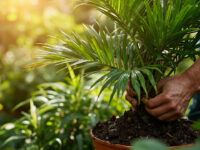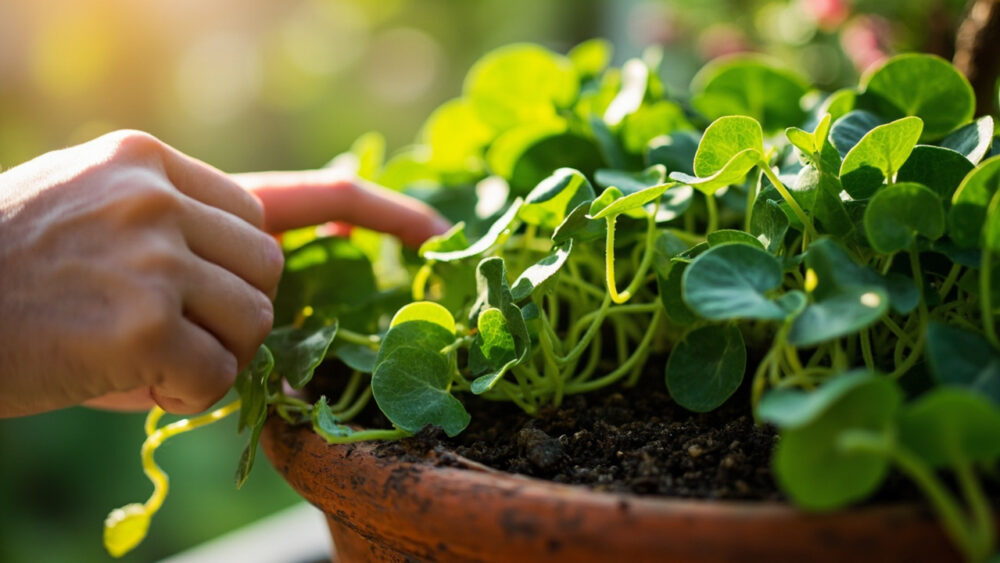
Peperomia Hope care comes down to bright indirect light, watering only after the top inch or two of soil dries out, and resisting the urge to baby it with constant fussing. This is a semi-succulent trailing plant with thick, round leaves that store water, and most of the plants that die under someone’s care die from overwatering, not neglect. Get the water right and almost everything else falls into place.
But there are a few things about this plant that trip up people who’ve grown other peperomias or pothos before. The way its leaves signal thirst is easy to misread. There’s one repotting mistake that stunts growth for months without ever looking like a crisis. And the “sign of health” most people assume they should see is actually not the thing to look for at all.
Stick with this and you’ll get the full picture, plus a save-able Peperomia Hope at a Glance card at the very bottom with the numbers you’ll actually want next time you’re standing in front of this plant wondering what it needs.
Light, Placement, and Temperature
Peperomia Hope wants bright, indirect lightthe kind you get a few feet back from an east or west window, or right up against a north window in a bright room. Direct afternoon sun through glass will scorch those fleshy leaves faster than you’d expect for something that looks so tough.
Too little light and the plant doesn’t die, it just stretches. Stems get long and leggy with wide gaps between leaves, reaching for whatever light source it can find.
Room temperature is fine, ideally 65 to 80°F. It has zero frost tolerance and dislikes cold drafts near doors and single-pane windows in winter.
Where you put it matters more than most people think, but what happens once it’s there matters even more.
Watering: How Much, How Often, and the Sign Everyone Misreads
Water when the top 1 to 2 inches of soil are dry to the touch, then water thoroughly until it runs from the drainage holes. Depending on light, pot size, and season, that’s usually every 7 to 14 days, longer in winter.
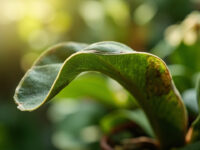
Here’s the part that fools people. Those thick, plump leaves are water-storage tissue, so when the plant is thirsty, the leaves don’t droop dramatically like a pothos or a fern would. They go slightly soft and matte instead of firm and glossy.
If you assumed shriveled, sad-looking leaves are the thirst signalyou’ll keep watering right past the point of trouble, because by the time Peperomia Hope looks visibly wilted, you’re often dealing with root rot, not drought. The rot destroys the roots’ ability to take up water at all, so the plant wilts as if dry while sitting in soggy soil. Squeeze a leaf gently between two fingers instead. Firm and slightly rubbery means fine. Soft, mushy, or wrinkled means check the roots before you reach for the watering can again.
Get this one signal right and you’ve solved the mistake that kills most of these plants.
Soil, Pot, and Feeding
Use a well-draining mix, something like a standard potting mix cut with perlite or coarse sand, roughly 1 part perlite to 3 parts potting soil. A cactus or succulent blend works well too. Whatever you use, the pot must have a drainage hole; this plant does not forgive being stuck in standing water.
Feed lightly during spring and summer with a balanced liquid houseplant fertilizer diluted to about half strength, once every 4 to 6 weeks. Skip feeding in fall and winter when growth slows way down.
Peperomia Hope has a shallow, modest root system and genuinely prefers being slightly snug in its pot. Overpotting, dropping a small root ball into a much larger container, is a quiet killer, since all that extra soil holds moisture the roots can’t use fast enough.
Get the mix and pot size right and the routine maintenance is almost boring, in a good way.
Pruning, Repotting, and Cleaning: The Routine Tasks
Pinch back leggy or trailing stems any time from spring through summer to encourage a fuller, bushier shape. Cut just above a leaf node, and those trimmings root easily in water or moist soil if you want more plants.
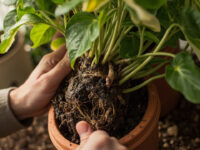
Repot only every 2 to 3 years, and only when you see roots circling tightly at the drainage hole or the plant drying out unusually fast between waterings. Step up just one pot size, not a dramatic jump.
Here’s the mistake almost nobody flags as a mistake: repotting into a container that’s 2 or 3 sizes too big “to save doing it again soon.” That excess soil stays wet for days longer than the roots can handle, and the plant sulks with slow, stunted growth for months without ever showing an obvious symptom you’d trace back to the pot.
Wipe dust off the leaves occasionally with a damp cloth, both for looks and because clean leaves photosynthesize better.
Get the routine right and problems become rare, but not impossible.
Problems Most Likely to Strike
Root rot from overwatering is by far the most common issue, showing up as soft brown stems near the soil line, a sour smell from the pot, and leaves that yellow or drop. Catching it early means unpotting, trimming away any dark mushy roots, and repotting into fresh, dry mix; caught late, the plant often can’t be saved.
Mealybugs and spider mites occasionally show up, especially on stressed or overwatered plants. Look for small cottony clusters in leaf joints or fine webbing under leaves, and treat with insecticidal soap or a horticultural oil, following the product label exactly.
Leggy, sparse growth means insufficient light, not a disease. Move it brighter rather than reaching for any product.
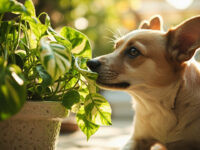
Peperomia Hope is mildly toxic-adjacent in reputation but is generally considered non-toxic to cats and dogs. Even so, if a pet chews on it and shows vomiting, drooling, or other unusual symptoms, call your veterinarian rather than waiting it out.
Fix the obvious problems and you’re left with the harder question: what does actually thriving look like here.
How to Tell It’s Genuinely Thriving
New growth is the real tell, not leaf shine. Look for fresh, small leaves emerging at stem tips with tight spacing between them, a sign the plant has enough light and isn’t stretching.
If you assumed a plant covered in big, glossy leaves must be doing greatthat’s not automatically true. A plant can hold onto attractive older leaves for a long time while quietly producing zero new growth underneath, essentially coasting rather than thriving.
Compact, bushy form with stems that stay relatively short and leaves that feel firm rather than soft are the real markers. Occasional tiny white flower spikes are a bonus sign of a healthy, mature plant, though plenty of thriving specimens never bloom indoors.
That’s the honest read on health, now here’s everything worth saving in one place.
Peperomia Hope at a Glance
- Light: bright, indirect light, a few feet from an east or west window or close to a bright north window, no direct afternoon sun.
- Watering: water thoroughly when the top 1 to 2 inches of soil are dry, roughly every 7 to 14 days, less often in winter.
- Soil: a well-draining mix, about 1 part perlite to 3 parts potting soil, in a pot with drainage holes.
- Temperature: 65 to 80°F, no frost, no cold drafts.
- Feeding: half-strength balanced liquid fertilizer every 4 to 6 weeks in spring and summer, none in fall and winter.
- Repotting: every 2 to 3 years, one pot size up, only when roots are visibly crowded.
- Trouble sign: soft, mushy, or wrinkled leaves and a sour smell from the pot mean check the roots for rot, not more water.
Water less than you think, watch the leaf feel rather than the leaf color, and this plant will outlast most of the fussier things on your windowsill.
When in doubt, wait another day before watering, that single habit solves most Peperomia Hope problems before they start.