The best time to harvest oregano is right before the plant flowers, when the stems are 4 to 6 inches tall and the leaves are dark green and full of oil. Snip whole stems rather than picking individual leaves, cutting a few inches above the woody base. Do this in the morning after the dew dries, and you will get the strongest flavor and the biggest harvest of the season.
That part is simple. What trips people up is everything around it: cutting too early because the plant “looks ready,” waiting for flowers because that seems like a milestone worth celebrating, or hacking off random sprigs instead of cutting with a plan. All three cost you flavor, and one of them can cost you the whole second flush.
Stick around and you will get the exact visual and feel cues that mean go, the honest tradeoff of harvesting early versus late, a cut-by-cut method that keeps the plant bushy instead of leggy, and the drying steps that actually preserve the oils instead of just the leaves. The full save-able Oregano at a Glance card is at the bottom once you have the real picture.
The Signs Your Oregano Is Actually Ready
Most guides tell you to just wait until the plant “looks full.” That is not wrong, but it is not specific enough to act on.
Stem height and leaf density
Look for stems around 4 to 6 inches tall with leaves growing close together, almost touching up the stem. A thin, sparse stem with big gaps between leaf pairs is not there yet.
Color and shine
Healthy, harvest-ready oregano has leaves that are deep green, not yellowish or pale, with a slight matte sheen. Leaves that look dull or washed out usually mean the plant is stressed or still too young, and the flavor will be thin.
The smell test
Rub a leaf between your fingers. If it releases a strong, peppery, almost sharp oregano smell immediately, the oils are concentrated and it is ready. A weak or grassy smell means wait another week or two.
Once the plant passes all three checks, the clock on peak flavor starts running.
Timing: Before Flowers, Not After
If you assumed waiting for flowers meant a bigger, better harvest, that guess is exactly backward. Once oregano flowers, the plant redirects energy from leaf oil production into seed production, and the leaves turn noticeably more bitter and less aromatic.
The real window is the day before flower buds open, when the plant has put maximum energy into leaf growth but hasn’t shifted yet. You’ll see small buds forming at the stem tips just before this happens, which is your cue to cut now rather than wait and see.
Harvest too early, before the plant has at least 4 to 6 inches of growth, and you weaken a young plant that hasn’t built up a root system yet. Harvest too late, after full bloom, and you get leaves with a harsher, almost soapy edge that no amount of cooking fixes.
In most climates this ready window shows up 60 to 90 days after planting, then repeats every 3 to 4 weeks through the growing season as the plant regrows.
Miss the window once and the plant recovers fine, but that batch of leaves never gets better, only more bitter.
How to Cut Oregano Without Wrecking the Plant
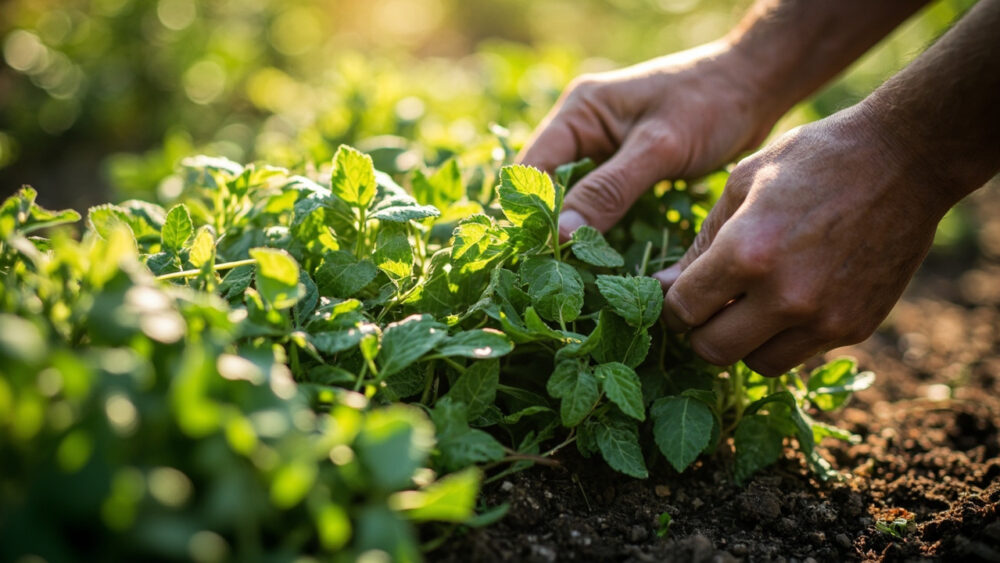
Grabbing a handful of leaves and pinching them off one by one is slow and it damages the stem tips you need for regrowth. Cut whole stems instead.
- Choose stems, not leaves. Pick stems that are at least 4 inches tall with several sets of leaves.
- Cut 1 to 2 inches above the woody base, just above a leaf node, using clean scissors or garden snips.
- Never take more than one third of the plant in a single harvest, even if everything looks ready.
- Work from the outside in, leaving the center stems to keep growing and shading the roots.
- Cut in the morning, after dew has dried but before the heat of the day, when oil concentration in the leaves is highest.
Cutting above a node, rather than mid-stem, is what triggers the plant to branch into two new stems instead of one, which is how you get a bushier plant and a bigger harvest next time.
Get the cut right and the hard part is already behind you, but what you do in the next hour matters almost as much.
Right After the Cut: The Mistake That Wastes the Harvest
Here is the honest answer to the question most people don’t think to ask: fresh-cut oregano starts losing its essential oils within hours if you just leave it on the counter.
Get stems out of direct sun immediately and either use them fresh that day or start the drying process within a few hours. Don’t rinse the leaves under running water if you plan to dry them, since trapped moisture invites mold. If they’re dusty or need cleaning, a quick shake works better than a wash, or dry them thoroughly with a towel afterward.
Bundle 4 to 6 stems together with a rubber band or string and hang them upside down in a warm, dry, dark spot with decent airflow. Direct sunlight fades color and cooks off the oils you just cut them for.
Oregano dries fully in about 1 to 2 weeks hanging, or in a food dehydrator on low heat in a few hours. It’s ready to store when the leaves crumble easily off the stem instead of bending.
Strip the dried leaves off the stems, store whole rather than crushed, and keep them in an airtight jar out of direct light. Whole dried leaves hold their flavor for about a year, while pre-crushed oregano fades in a few months.
Handle the harvest right and you’re not just saving this batch, you’re setting up the next one.
Keeping the Harvest Coming All Season
Oregano is a cut-and-come-again herb, meaning a single plant can be harvested every 3 to 4 weeks from late spring through the first hard frost in most zones 4 through 10.
The plant that keeps producing is the one you never let flower and never over-cut in one pass. Sticking to that one-third rule per harvest is what separates a plant you’re cutting from in August from one that petered out in July.
If flower buds do sneak up on you between harvests, cut those stems back hard anyway. It sacrifices that batch’s peak flavor, but it resets the plant’s energy back into leaf production instead of seed.
Near the end of the season, before your first fall frost, take one larger harvest of everything you want to dry for winter, since growth slows hard once nights turn cold.
That last big cut before frost is also your cue to check the plant’s crown for winter survival, but that’s a different problem for a different day.
Oregano at a Glance
- When to harvest: just before flower buds open, once stems are 4 to 6 inches tall with dense, deep green leaves.
- How often: every 3 to 4 weeks through the growing season, from late spring until your first fall frost.
- How much to cut: no more than one third of the plant per harvest, working from the outside stems in.
- Where to cut: 1 to 2 inches above the woody base, just above a leaf node, using clean snips.
- Best time of day: morning, after dew dries but before peak heat, when oil concentration is highest.
- Drying method: hang small bundles upside down in a warm, dark, airy spot for 1 to 2 weeks, or dehydrate on low heat.
- Storage: keep leaves whole in an airtight jar out of light, crumbling only when you’re ready to use them, for up to a year.
Cut before it flowers, never take more than a third at once, and dry it out of direct sun. Get those three things right and one oregano plant will feed you all season long.