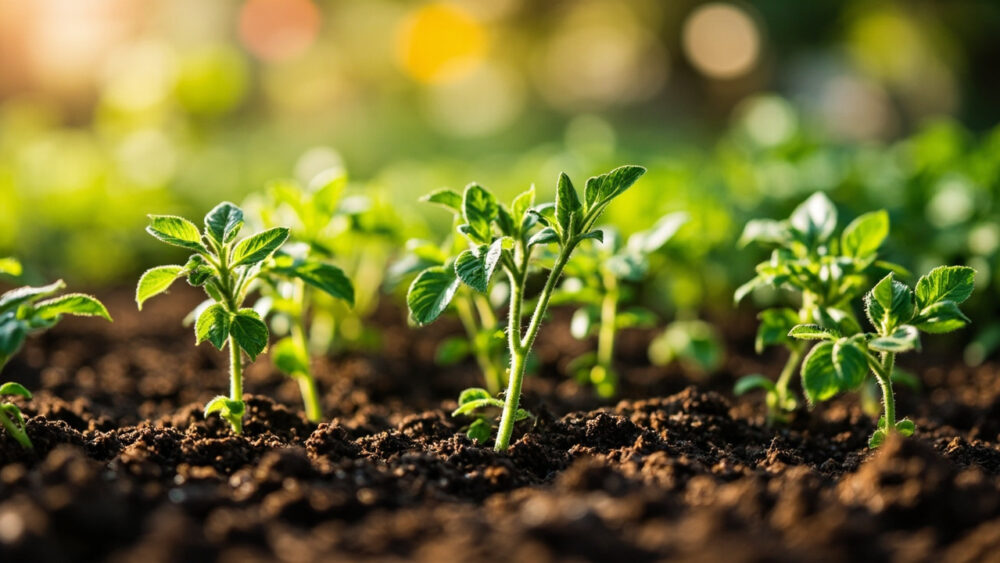
Plant roma tomatoes 18 to 24 inches apart within the row, with rows spaced 3 to 4 feet apart, and set each transplant deep enough that only the top two sets of leaves show above soil. That is the honest range, not a single magic number, because it shifts a little depending on whether you stake, cage, or let them sprawl. Get the spacing wrong in either direction and you will spend the whole summer fighting problems that good spacing would have prevented for free.
Here is what nobody tells you before you start digging holes: the mistake that ruins most roma plantings is not planting too far apart, it is planting too close because the seedlings look so small and harmless in April. There is also a sign of overcrowding that most gardeners misread as a disease when it is really just plants competing for light and air. And there is a fix for a bed you already planted too tight, which is the question you are probably about to ask next.
Stick around to the end and you will find a save-able Roma Tomatoes at a Glance card with every number in one place, so you can pull it up on your phone while you are standing in the garden this weekend.
The Exact Spacing and Depth Numbers, and Why They Are What They Are
Roma tomatoes are determinate or semi-determinate, meaning they grow to a set size and stop, usually 3 to 4 feet tall and nearly as wide once the side branches fill in. That mature width is the whole reason for the 18 to 24 inch spacing. Anything tighter and the foliage from neighboring plants starts overlapping before midsummer.
Depth matters just as much as width. Bury two thirds of the stem, right up to the lowest set of true leaves. Tomato stems grow roots anywhere they touch damp soil, so a deep-planted transplant builds a bigger root system fast, which means more water uptake and sturdier plants once fruit weight sets in.
If the stem looks thin and pale for its height, plant it a little deeper than usual rather than a little shallower.
Row and Bed Layout: Your Real Options
In traditional garden rows, space plants 18 to 24 inches apart in the row and leave 3 to 4 feet between rows. That row gap is not wasted space, it is where you walk, water, and eventually squeeze past a cage loaded with fruit.
In a raised bed or block planting, use a grid of roughly 24 inches in every direction. That gives each plant a full circle of breathing room instead of just room down one row.
If you cage your romas, add 2 to 3 inches to every spacing number, since a wire cage takes up real space of its own once it is anchored in the ground.
Sprawling, unstaked plants need the wide end of every range, staked and caged plants can sit at the tight end.
What Actually Goes Wrong When Plants Are Too Close
Here is the sign almost everyone misreads: lower leaves turn yellow, spot up, and drop by midsummer, and the instinct is to blame blight or a soil disease. Often it is simply airflow. Crowded plants trap humidity around the foliage, and that damp, still air is exactly what fungal leaf diseases like early blight and septoria need to spread from plant to plant.
Crowding also means root competition. Roma tomatoes are heavier feeders than a lot of people expect for a smaller-fruited variety, and two root systems fighting for the same patch of soil both come up short on water and nutrients right when fruit is sizing up.
You will also see fewer ripe tomatoes than the plant count suggests, because shaded lower branches stop setting fruit and put their energy into leaves instead.
None of that is a disease you caught, it is a spacing problem wearing a disease costume.
Can You Plant Them Too Far Apart?
Yes, though it is a much smaller problem than crowding. Space romas farther than about 3 feet apart and you are not gaining anything, just giving up growing space you could have used for peppers, basil, or a second tomato plant.
Wide spacing does have one small upside: even better airflow, which matters most in humid climates or wet seasons where fungal disease pressure is high. If you have had bad blight years before, err toward the wide end of the range rather than the tight end.
Otherwise, treat “too far apart” as a minor efficiency issue, not a plant-health one.
That trade-off between disease insurance and using your space well is a judgment call only you can make for your yard.
Growing Roma Tomatoes in Containers
One roma plant per container is the rule, and the container needs to be at least 5 gallons, with 10 to 15 gallons being much more forgiving through a hot summer. Roma root systems are sizable enough that two plants sharing a pot will stunt each other the same way crowded ground plants do.
If you are lining up several containers, leave 18 to 24 inches between pot centers, the same logic as garden spacing, so the foliage of neighboring plants is not knitting together by August.
Containers dry out faster than garden soil, so plan on checking soil moisture daily once temperatures climb, sticking a finger down 2 inches to check before watering.
Container spacing solves airflow, but it does not solve the watering swings that come with growing in a pot.
How to Fix a Planting You Already Crowded
If your seedlings are still small, under about 6 inches tall, you can dig and transplant them to proper spacing with minimal setback, watering well before and after the move and doing it on a cloudy evening if you can.
Once plants are larger and already flowering, digging them up does more harm than the crowding itself. At that point, your best move is selective removal: pull the weakest plant out of an overcrowded cluster entirely rather than trying to relocate it.
You can also prune hard, removing lower branches and any growth crossing into a neighbor’s space, to buy back airflow without moving anything.
A thinned planting with fewer, healthier plants will almost always out-produce a crowded one with more plants struggling for the same light.
Roma Tomatoes at a Glance
- When to plant: transplants outside 1 to 2 weeks after your last frost date, once nighttime soil temperature holds above 55 to 60 F.
- Spacing in rows: 18 to 24 inches between plants, 3 to 4 feet between rows.
- Spacing in blocks or beds: roughly 24 inches in every direction.
- Planting depth: bury two thirds of the stem, up to the lowest set of true leaves.
- Caged or staked plants: add 2 to 3 inches to standard spacing for the cage or stake footprint.
- Container size: minimum 5 gallons per plant, 10 to 15 gallons preferred, one plant per container.
- Sign of overcrowding: lower leaves yellowing and dropping by midsummer, often mistaken for disease.
Get the spacing right at planting and most of the season’s disease and yield problems never show up at all. If you already went too tight, thin it out now rather than hoping it sorts itself out later.