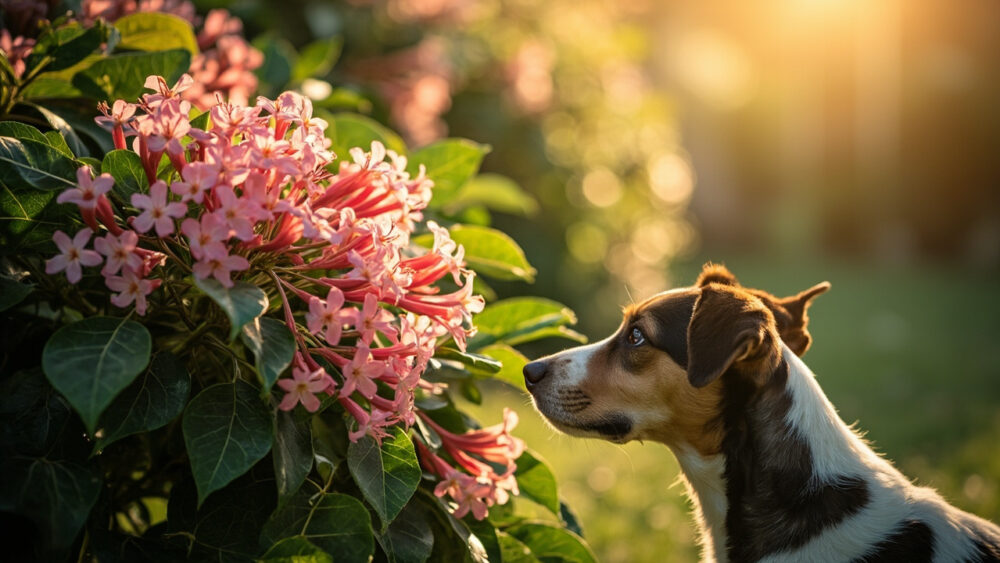
Yes, oleander is toxic to dogs, and it is one of the more dangerous common landscape plants you can bring near a pet. Every part of the plant carries cardiac glycosides, the same class of toxin found in foxglove, and it does not take a large amount to cause serious poisoning. This is true whether you are asking about is oleander toxic to dogs in a yard, a pot on the patio, or a single fallen leaf your dog found on a walk.
Here is what most people do not realize: dried leaves and clippings are just as dangerous as fresh ones, and the water in a vase that held oleander stems is a real risk too. That surprises a lot of owners who assume a wilted, brown leaf lying in the mulch is harmless.
I will walk you through which parts matter most, the signs that show up after exposure, exactly what to do in the first hour, and safer plants that give you the same look without the risk. Save-able quick-reference card is waiting at the bottom, the kind of thing worth screenshotting before you walk back outside.
The Plain Answer: Every Part Is Dangerous
There is no “safe” part of an oleander plant. Leaves, flowers, stems, sap, and seeds all contain toxic compounds, and that holds true across every color and cultivar sold at nurseries, from the common pink and white shrub forms to the compact dwarf varieties sold for patios.
Drying does not neutralize it. A handful of dead leaves swept into a pile is just as capable of causing poisoning as a leaf pulled straight off the plant, which matters a lot if you prune oleander and leave clippings where a dog can reach them.
Even the smoke from burning oleander wood or brush is considered hazardous to breathe, so it should never go in a burn pile or fire pit.
Knowing that no part is exempt changes how you need to think about exposure risk in your own yard.
How Much It Takes, and What Actually Changes the Risk
If you assumed a small dog needs to eat a whole branch before there is a problem, that guess is the dangerous one. A relatively small amount of plant material, sometimes just a few leaves, can be enough to cause toxicity in a dog, especially a small breed or a puppy.
Size of the dog matters, but so does what part was eaten. Seeds and flowers tend to concentrate more of the toxin than a single mature leaf, though none of it is something to treat casually.
Chewing matters too. A dog that shreds and swallows plant material absorbs more toxin than one that mouths a leaf and drops it, but you cannot count on that difference to keep a pet safe.
The honest takeaway is that “how much” is never the question you want to be gambling on.
Signs of Oleander Poisoning in Dogs
Signs usually show up within a few hours of ingestion, sometimes sooner. Watch for vomiting, diarrhea (sometimes with blood), drooling, weakness, tremors, an abnormal heart rate, or collapse.
The cardiac glycosides in oleander act directly on the heart, which is what makes this plant more dangerous than a typical stomach-upset toxin. A dog can look like it just has a mild digestive issue at first, then decline as the effect on heart rhythm progresses.
- Vomiting or diarrhea, often starting within a few hours
- Drooling or apparent abdominal pain
- Weakness, wobbliness, or collapse
- Irregular or notably slow or fast heart rate
- Tremors or seizures in more severe cases
None of these signs are ones you should wait out at home to see if they pass.
What To Do If Your Dog Ate Oleander
Call your veterinarian or an animal poison control line immediately, even if your dog seems fine right now. This is not a wait-and-see situation, because the cardiac effects can take time to appear and get harder to manage the longer treatment is delayed.
Before you call, if you can do it safely and quickly, note how much plant material is missing, which part of the plant it was, and roughly when it happened. If you have a piece of the plant or a photo of it, bring that along or describe it clearly.
Do not try to induce vomiting or give any home remedy on your own. Let the vet or poison control guide every step, since some at-home actions can make things worse rather than better.
Getting your dog seen quickly is the single biggest factor in how this turns out, which is exactly why the next section matters just as much as this one.
Safer Look-Alikes If You Love the Look of Oleander
You can get a similar shrubby, showy look without keeping a cardiac toxin in reach of your dog. A few solid substitutes:
- Abelia: arching branches, small tubular flowers, blooms for months, and it is considered non-toxic to dogs.
- Hibiscus (tropical types): big, showy blooms with a similar sun-loving habit, generally low toxicity risk though large quantities can still cause mild stomach upset.
- Bottlebrush (Callistemon): similar evergreen shrub form and bright color, not known to be toxic to dogs.
- Rose of Sharon: a hardy flowering shrub alternative for colder zones, generally considered low risk.
None of these are a perfect one-to-one swap for oleander’s specific look, but they solve the same landscaping problem without the trip to the emergency vet.
If you already have oleander established and are not ready to remove it, the fencing and placement advice in the reference card below is your next best option.
Oleander: Quick Reference
- Toxic to dogs: yes, every part of the plant, fresh or dried, is considered dangerous.
- Toxic compound: cardiac glycosides, which affect heart rhythm and function directly.
- Amount that matters: even a small amount, sometimes just a few leaves, can cause serious poisoning.
- Highest-risk parts: seeds and flowers tend to be the most concentrated, but leaves and stems are still genuinely dangerous.
- Signs to watch for: vomiting, diarrhea, drooling, weakness, abnormal heart rate, tremors, or collapse.
- What to do: call your veterinarian or animal poison control immediately for any suspected ingestion, do not wait for symptoms and do not attempt home treatment.
- Also risky: vase water that held oleander stems, dried clippings in a brush pile, and smoke from burning the plant.
Oleander earns its reputation as one of the more genuinely dangerous common landscape shrubs for pets.
Treat it with the caution its toxicity deserves, and lean on your vet fast if you ever suspect your dog got into it.