You grow jackfruit from seed by planting a fresh seed (not a dried or refrigerated one) about an inch deep in loose, well-draining soil within a few days of eating the fruit, keeping it at 75 to 85°F, and giving it three to eight weeks to sprout. How to grow jackfruit from seed successfully comes down to two things most people get wrong before they even plant: they let the seed dry out first, and they plant it somewhere it can never live long term. Get those right and the rest of the process is genuinely forgiving.
Here is what nobody tells you upfront. That seed you’re holding will, if it lives, eventually want to become a tree that can top 40 feet with roots that do not take kindly to pots or transplanting. There’s a real mistake that kills most of these seedlings in the first year, a “sign of trouble” that actually isn’t trouble at all, and an honest timeline question you’re probably about to ask: how long until this thing fruits. That answer is not what most sites tell you, and it might change whether you plant this seed at all.
Stick with me through the growing steps below, and I’ll give you the save-it-to-your-phone Jackfruit at a Glance card at the very bottom with every number in one place.
When to Start Jackfruit Seeds
Jackfruit is a lowland tropical tree, hardy only in USDA zones 10 through 12, so timing here isn’t about frost dates the way it is for tomatoes. The real clock is the seed itself. Jackfruit seeds lose viability fast, often within a week or two of leaving the fruit, and they do not tolerate drying, chilling, or storage the way apple or citrus seeds do.
That means the right time to plant is almost always “now,” as soon as you’ve got the seed cleaned off. Outside of true tropical zones, you’re growing this indoors or in a greenhouse from the start, since outdoor soil temperatures below 60°F will stall or kill a seedling outright.
If you’re in zone 9 or colder, plan on this being a large container plant, not a future backyard tree, and I’ll come back to why that matters later.
The seed’s freshness decides everything else, so let’s get it in soil correctly the first time.
Sowing Jackfruit Seeds Step by Step
This is the part people rush, and rushing it is the single most common way to lose a seed that had every chance of sprouting.
1. Clean the seed thoroughly
Scrub off every bit of the fleshy aril. Leftover fruit residue invites mold that will rot the seed before it ever germinates.
2. Skip the drying step
Do not let the seed sit out to dryand do not store it in the fridge for later. Plant within two to three days of removing it from the fruit for the best odds.
3. Plant at the right depth and medium
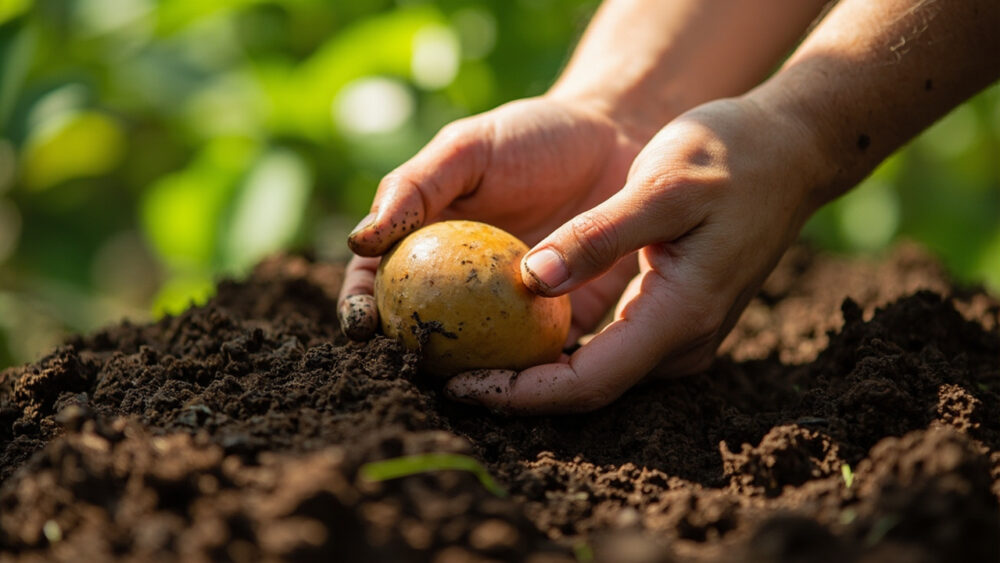
Use a loose, well-draining mix, something like potting soil cut with perlite or coarse sand. Plant the seed on its side, about 1 to 1.5 inches deep, in a container at least 6 inches deep since jackfruit sends down a taproot fast.
4. Keep it warm and shaded
Maintain soil temperature around 75 to 85°F, using a seedling heat mat if your indoor space runs cooler. Bright, indirect light is enough at this stage; direct sun on bare soil just dries it out faster than the seed can use the moisture.
Get the seed into the ground right and warm, and now the waiting game starts, which is where most people start second-guessing themselves.
Germination: What’s Normal and What Isn’t
Expect germination anywhere from three to eight weeks. That range is wide and it’s honest, jackfruit is not a fast, predictable sprouter like beans or squash.
Here’s the sign everyone misreads: if you assumed no visible sprout by week three means a dead seedthat guess causes more thrown-out seeds than actual seed failure does. Jackfruit does a lot of root development below the soil line before anything shows above it. Patience beats digging it up to check.
What should actually worry you is a seed that’s gone soft, mushy, or smells sour when you gently check it, that’s rot, and it usually means the medium stayed too wet or the seed wasn’t cleaned well enough. Keep soil moist but never soggy; a mix that stays wet for days at a time is the top cause of seed rot here, not cold or bad luck.
Once you see that first thick shoot break the surface, growth actually picks up speed fast.
Hardening Off and Transplanting
Jackfruit seedlings grow quickly once started, often a foot or more in the first few months, and they hate being moved. The taproot is the whole problem. Disturb it and you can stall or kill a seedling that was otherwise thriving.
If your seedling started indoors and you’re in a warm enough zone to eventually move it outside, harden it off over 7 to 10 days: a couple hours of dappled shade outdoors the first days, building up to a full day of outdoor light by the end of the week, always avoiding harsh midday sun at first.
When you do transplant, do it early, ideally before the seedling is more than a few months old, and move the entire root ball intact rather than bare-rooting it. For most home growers outside true tropical climates, the honest move is skipping in-ground transplant entirely and going straight to a large, permanent container, 15 to 25 gallons eventually, since digging it up again later just isn’t realistic.
Get through this stage without disturbing that root and the tree moves into steady, season-long growth.
Care Through the Season
Jackfruit wants heat, humidity, and consistent moisture without waterlogging. Water when the top 1 to 2 inches of soil feel dry, more often in hot weather, less in cooler months.
Feed with a balanced fertilizer formulated for fruit trees every 6 to 8 weeks during active growing season, tapering off in cooler months when growth naturally slows. Full sun is non-negotiable once the tree is past the seedling stage, at least 6 hours a day, or you’ll get a leggy plant that never fruits.
Watch the leaves for the usual pest suspects, scale insects and mealybugs particularly, both treatable with horticultural oil applied per the product label. Yellowing lower leaves as the tree ages and self-prunes is normal. Yellowing across the whole plant paired with wet, heavy soil usually means root rot from overwatering.
Growth in year one and two is mostly about the trunk and root system building strength, and that unglamorous work is what makes fruiting possible later.
When Jackfruit Actually Reaches Harvest
Here’s the honest timeline answer, and it’s the one most pages soften. A jackfruit tree grown from seed typically takes 3 to 5 years to flower under good tropical conditions, and often longer, sometimes 5 to 7 years or more, in marginal climates or containers.
Grafted trees fruit much faster, often within 2 to 3 years, which is exactly why most serious growers buy grafted stock instead of starting from seed if fruit is the actual goal. Seed-grown trees are also genetically unpredictable, the fruit you get may differ noticeably from the parent fruit’s flavor and size.
Once flowering starts, you’ll see small male and female flower clusters directly on the trunk and older branches, a growth habit called cauliflory that looks strange the first time you see it. Fruit development after successful pollination takes another 3 to 8 months depending on variety and conditions, and a mature fruit can weigh anywhere from 10 to 100 pounds depending on the cultivar.
Growing jackfruit from seed is a real, doable project, it’s just a multi-year one, and everything you need to remember about it is right below.
Jackfruit at a Glance
- When to plant the seed: within two to three days of removing it from a fresh fruit, never after drying or refrigerating it.
- Depth and medium: plant on its side about 1 to 1.5 inches deep in loose, well-draining soil cut with perlite or sand, in a pot at least 6 inches deep.
- Ideal temperature: 75 to 85°F soil temperature for germination, using a heat mat indoors if needed.
- Germination time: three to eight weeks, with most growth happening underground before any shoot appears.
- Climate needs: USDA zones 10 to 12 for outdoor growing, full sun, high humidity, container growing elsewhere.
- Transplant rule: move the root ball intact and early, since the taproot does not tolerate disturbance.
- Time to fruit: 3 to 5 years for seed-grown trees under good conditions, sometimes longer, versus 2 to 3 years for grafted trees.
If you only remember one thing, remember that a fresh seed planted fast beats a perfect setup every time. After that, patience does most of the remaining work.