Knowing how to care for zz plant boils down to one idea: neglect it on purpose. Give it bright, indirect light or even fairly dim light, water it only after the soil has gone fully dry, and leave it alone in a plain pot with drainage. It is one of the few houseplants that gets hurt by too much attention, not too little.
Here is the part nobody tells you: almost every dead ZZ plant died of overwatering by someone who genuinely believed they were being a good plant parent. That is the mistake that ends most attempts, and it happens quietly, underground, weeks before the leaves show anything wrong. There is also a sign everyone misreads as trouble that is actually the plant behaving exactly as it should.
Stick around and you will get the honest answer on repotting timing, the real culprit behind mushy stems, and a save-able Zz Plant at a Glance card at the bottom with every number on one list.
Light, Placement, and Temperature
ZZ plant tolerates low light better than almost any houseplant sold, but “tolerates” is not the same as “thrives in.” For real growth, glossy foliage, and new shoots, give it bright, indirect light, a few feet back from an east or west window, or a north window if that is all you have. Direct hot afternoon sun will scorch the leaflets and bleach them pale.
It will survive in a dim corner or windowless office, just slower and leggier.
Keep it in normal room temperatures, roughly 60 to 75°F. It has zero cold tolerance below about 45°F and no frost tolerance at all, so if it summers outside on a porch, bring it in well before nights start dipping into the 50s.
Get the light right and watering gets a lot more forgiving.
Watering: Less Often Than You Think
If you assumed a plant this leafy needs regular weekly watering like a pothos, that guess is exactly what kills it. ZZ plant grows from thick underground rhizomes that store water, essentially built-in reservoirs, which is why it shrugs off drought and punishes wet feet.
Water only when the soil is dry at least 2 inches down, check with a finger or a wooden skewer. Depending on light, pot size, and season, that usually means every 2 to 4 weeks, sometimes longer in winter when growth all but stops.
When you do water, soak thoroughly until it runs from the drainage holes, then let the pot drain completely and never let it sit in a saucer of standing water.
The single question that predicts survival is not “how often do I water” but “does this pot have drainage at all.”
Soil and Feeding
Use a well-draining potting mix, a standard houseplant mix with extra perlite works well, or a cactus and succulent blend if you tend to water on the generous side. Heavy, moisture-holding soil is the fastest route to rotted rhizomes.
The pot itself matters almost as much as the soil. A container with a drainage hole is close to non-negotiable here.
Feed lightly during spring and summer with a balanced liquid houseplant fertilizer diluted to half strength, about once a month. Skip feeding entirely in fall and winter when the plant is resting.
ZZ plant is not a heavy feeder, and over-fertilizing shows up as crusty white buildup on the soil surface and burnt leaf tips faster than it shows up as extra growth.
Get the soil and feeding baseline right and the routine maintenance becomes almost nothing.
Pruning, Repotting, and Cleaning
Pruning is minimal: snip yellowed or damaged stalks at the base with clean shears whenever you spot them, any time of year.
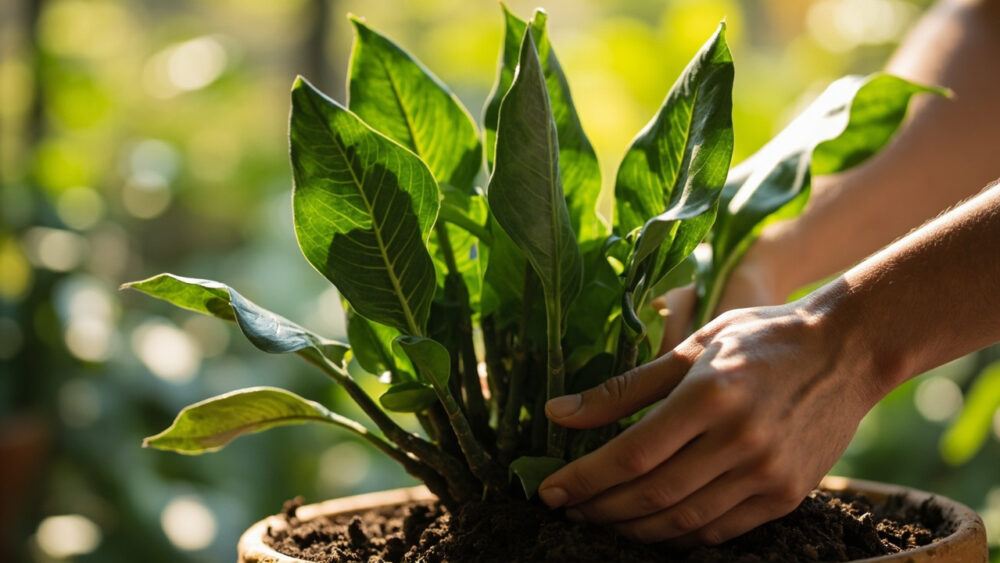
Repotting is the honest answer to the question you are probably about to ask, since ZZ plant actually prefers being slightly rootbound. Repot only every 2 to 3 years, or sooner if you see rhizomes pushing up hard against the pot walls or roots circling visibly at the surface. Size up just one pot diameter, not a huge jump.
Spring is the best window for repotting, right as new growth starts.
Wipe the broad, glossy leaves occasionally with a damp cloth to clear dust, which also makes it far easier to spot pests early.
Speaking of pests, here is what actually goes wrong with this plant, and what does not.
What Actually Goes Wrong (and What Doesn’t)
ZZ plant is genuinely low-drama, but a few problems recur:
- Yellowing stalks that feel soft or mushy at the base: this is overwatering and often rhizome rot. Pull the plant, inspect the rhizomes, trim any that are brown and mushy with clean shears, repot in fresh dry mix, and water far less going forward.
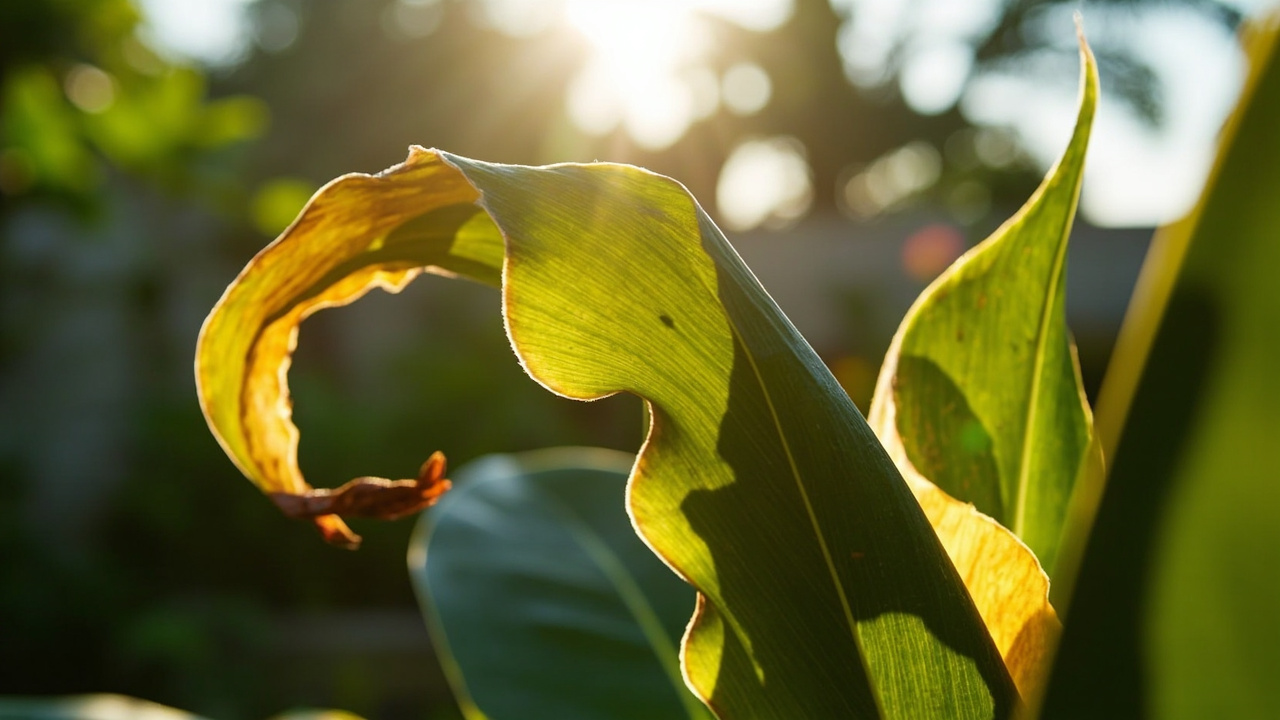
- Yellowing that is limited to one or two older stalks and everything else looks fine: this is normal aging, not a crisis, prune it out and move on.
- Brown, crispy leaf tips: usually fertilizer buildup or very dry indoor air combined with underwatering, flush the soil occasionally and back off feeding.
- Pale, washed-out leaves: too much direct sun, move it back from the window.
- Sticky residue or tiny webs: spider mites or scale, isolate the plant and treat with insecticidal soap or a horticultural oil, following the product label exactly.
Note also that ZZ plant is toxic if chewed or ingested, for both people and pets, and the sap can irritate skin. If a pet or child eats any part of it, call a veterinarian or poison control rather than waiting to see what happens.
Once you know what a real problem looks like, it is easier to trust the signs of a plant doing everything right.
How to Tell It Is Actually Thriving
A genuinely happy ZZ plant pushes new shoots up from the soil that look like pale green, tightly curled fists before unfurling into fresh stalks. That curled new growth is the sign most people misread as something being wrong, when it is actually the best possible signal you can get.
Deep green, glossy, unblemished leaflets and stalks that stand upright rather than flopping are the other good signs. New growth in spring and summer, even just one or two new stalks, means the roots and rhizomes underneath are healthy.
Slow growth alone is not a bad sign, this is a naturally slow grower even in ideal conditions.
All of that adds up to one simple card worth saving.
Zz Plant at a Glance
- Light: bright, indirect light is best for real growth, though it tolerates low light and needs protection from direct hot sun.
- Watering: only when soil is dry 2 inches down, roughly every 2 to 4 weeks, less in winter.
- Temperature: 60 to 75°F, no tolerance for cold below about 45°F or any frost.
- Soil: well-draining potting mix with added perlite, in a pot with drainage holes.
- Feeding: half-strength balanced liquid fertilizer once a month in spring and summer, none in fall and winter.
- Repotting: every 2 to 3 years in spring, only when rootbound, sizing up one pot diameter.
- Toxicity: toxic to people and pets if ingested, causes skin irritation from sap, contact a veterinarian or poison control if ingestion is suspected.
If you remember one thing, remember this: the water can, not the watering can, is where ZZ plant already keeps its supplies.
Leave it dry longer than feels responsible, and it will reward you for it.