Palm trees care comes down to four things they will not compromise on: bright light, well-drained soil that never fully dries out at the roots, warmth above 50°F, and a light hand with fertilizer. Get those four right and most palms are genuinely low-maintenance for years. Get one wrong, especially watering, and you will spend a season chasing yellow fronds without knowing why.
Here is what trips people up. The mistake that kills more palms than cold ever does is not underwatering, it is soil that stays soggy because the pot has no real drainage. The sign almost everyone misreads is brown frond tips, which most people blame on too little water when the real culprit is usually dry air or salt buildup. And the honest answer to the question you are about to ask, “why does my palm still look bad after I fixed the watering,” is that palms are slow. A palm shows damage from three weeks ago, not today.
Stick with me through the sections below and you will know exactly what your palm needs this week. The save-and-screenshot Palm Trees at a Glance card is waiting at the very bottom once you have the real picture.
Light, Placement, and Temperature
Most palms want bright, indirect to full sun. Outdoors, that means at least four to six hours of direct sun for sun-tolerant species like queen palm or windmill palm. Indoors, put the plant within a few feet of your brightest window, south or west facing if you have one.
Cold is the real limit for most home growers. Tropical palms sulk below 50°F and take permanent frond damage below freezing, though hardier types like windmill palm (Trachycarpus fortunei) tolerate short dips into the teens once established. If you keep a palm outdoors seasonally, bring it in before nighttime temperatures dip toward 45-50°F, not after.
Avoid heating vents and cold drafty windows alike. Both stress a palm faster than mediocre light does.
Watering: How Much, How Often, and How to Tell
If you assumed a plant this tropical-looking wants constant moisture, that guess is what actually kills most palms. Palm roots rot fast in soil that stays wet, and root rot is largely irreversible once it sets in. What they actually want is a soak-then-dry-slightly rhythm, not a permanently damp sponge.
Check the top two inches of soil with your finger before watering. When it feels dry at that depth, water thoroughly until it runs from the drainage holes, then let the excess drain away completely. Do not let the pot sit in a saucer of standing water.
Indoors that usually means watering every seven to ten days, less in winter when growth slows. Outdoors in summer heat, established in-ground palms may want a deep soak once or twice a week during dry stretches, less once roots are mature and established.
Brown, crispy frond tips almost always mean low humidity or a buildup of salts from tap water and fertilizer, not thirst.
Get the water right and the next thing that matters is what you’re watering into.
Soil, Potting Mix, and Feeding
Palms want fast-draining, slightly sandy soil. A cactus or palm-specific potting mix works well in containers; if you’re mixing your own, blend standard potting soil with coarse sand or perlite at roughly a two-to-one ratio. In the ground, amend heavy clay with coarse sand and compost before planting, and never plant a palm in a low spot where water pools after rain.
Feed during the active growing season, roughly spring through early fall, with a fertilizer formulated for palms. These blends supply extra magnesium and manganese, which palms burn through fast and which regular houseplant fertilizer does not replace. Deficiency shows up as yellowing or frizzled new growth, and it is genuinely hard to reverse once it’s severe, so feed proactively rather than waiting for symptoms.
Follow the product label for rate and frequency exactly. Overfeeding scorches roots and burns frond tips just as fast as underfeeding starves them.
Feeding schedule sorted, now let’s talk about the hands-on tasks that keep a palm looking sharp.
Pruning, Repotting, and Routine Cleanup
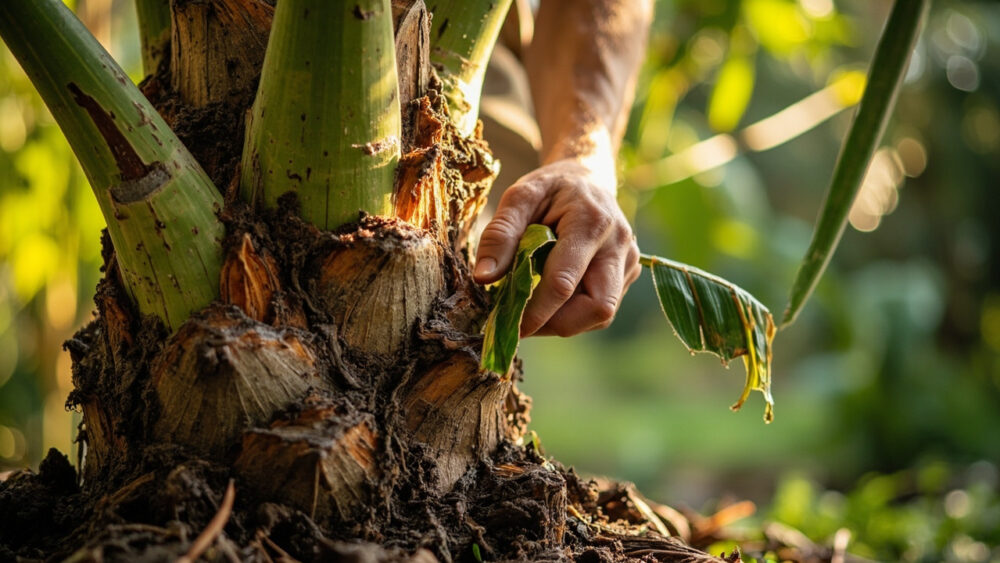
Prune only fully brown, dead fronds. This is the step everyone gets wrong: cutting off yellowing or partially green fronds because they look messy. A palm pulls stored nutrients out of an aging frond before it dies, so removing it early starves the plant of resources it was actively using.
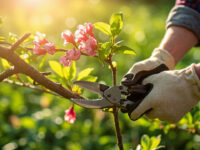
Cut dead fronds close to the trunk with clean pruning shears or a saw for thicker specimens, and never cut into the crown or strip more than a few fronds at once. Never “hurricane cut” a palm into a bare pom-pom look. It weakens the plant and does not actually improve storm resistance, despite the persistent myth.
Repot container palms only every two to three years, and only when roots are visibly circling the pot or pushing out the drainage holes. Palms actually prefer being slightly root-bound and resent being disturbed often. Wipe dust off broad-leafed varieties occasionally with a damp cloth so leaves can photosynthesize properly.
Handled right, pruning and repotting are rare chores, not weekly ones, which is exactly why the problems below catch people off guard.
Problems Most Likely to Strike, and the Real Fix
Yellowing lower fronds with green new growth is usually a nutrient deficiency, most often magnesium or potassium, and a palm-specific fertilizer applied per the label corrects it over one to two growing seasons. This is slow to fix, not instant, so don’t panic and double the dose.
Brown, mushy trunk base or a foul smell at the soil line signals root or trunk rot from overwatering or poor drainage. There is no home treatment that reliably reverses advanced rot. Improve drainage immediately, cut back watering, and accept that a badly rotted palm may not recover.
Spider mites, scale, and mealybugs show up as fine webbing, sticky residue, or small bumps on fronds, especially indoors in dry winter air. Wipe leaves down and treat with insecticidal soap or a labeled horticultural oil, following the product instructions exactly, and repeat treatments as the label directs since these pests hatch in waves.
If pets or kids are around, note that most common houseplant palms, including areca, parlor, and majesty palm, are considered non-toxic, but sago palm is a true exception and is highly toxic to pets and people if any part is ingested. If you suspect ingestion of sago palm or any unfamiliar plant, call a veterinarian or poison control right away rather than waiting to see what happens.
Once you’ve ruled out these problems, here’s what a genuinely healthy palm actually looks like.
Signs Your Palm Is Actually Thriving
A thriving palm pushes out new spear-shaped growth from the crown at least once or twice during the growing season. That new frond will look pale or almost yellow-green at first before it hardens off and deepens in color, which is normal and not a deficiency.
Fronds should stand fairly upright and firm, not collapsed or folding at the stem. Lower fronds naturally age, yellow, and die off over months, which is normal turnover, not decline, as long as newer growth stays green and vigorous.
No new growth for an entire season, especially paired with a soft or discolored trunk base, is the real signal something is wrong, not a single brown tip or one yellow frond.
That’s the full picture, and here’s the short version you can actually save.
Palm Trees at a Glance
- Light: bright indirect to full sun, at least four to six hours for outdoor sun-tolerant species.
- Temperature: keep above 50°F, bring container palms in before nights dip toward 45-50°F.
- Watering: water deeply when the top two inches of soil feel dry, then let it drain fully, never let pots sit in standing water.
- Soil: fast-draining, sandy mix, cactus or palm blend indoors, sand-amended soil outdoors.
- Feeding: palm-specific fertilizer through the growing season, following the label rate exactly.
- Pruning: remove only fully brown, dead fronds, cut close to the trunk, never strip the crown.
- Warning sign: mushy, foul-smelling trunk base means rot, improve drainage immediately and accept recovery is not guaranteed.
Most palm trouble traces back to one thing: soil that stays wet too long. Fix drainage and watering rhythm first, and almost everything else falls into place.