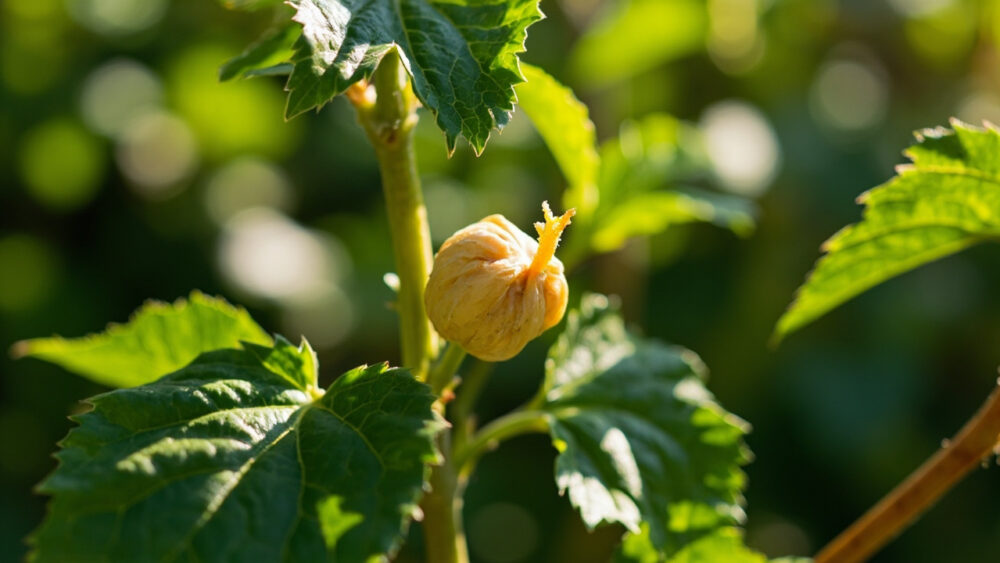
Nine times out of ten, a hibiscus that will not bloom is either short on direct sun or getting fed the wrong fertilizer. Give it six or more hours of sun a day and switch to a low-nitrogen, high-phosphorus/potassium feed, and buds usually show up within three to six weeks. That is the fast answer, but it is not always the right one for your plant.
Most people blame the wrong thing first. They assume the plant is dying, or they panic and start dumping fertilizer on it, which often makes bud drop worse, not better. There is usually one specific detail on the plant right now, where the buds are dropping, what the new growth looks like, how the leaves are colored, that tells you exactly which of six or seven causes you are actually dealing with.
Stick around and you will also get the honest recovery timeline, because it is different for a hibiscus that is merely sulking versus one that is stressed to the point of surviving but not flowering this season. The full save-able diagnosis checklist is at the bottom, the kind you can run in two minutes standing right next to the pot.
Causes Ranked Most to Least Likely
1. Not Enough Direct Sun
Hibiscus is a sun-hungry bloomer. Less than five to six hours of direct light a day and the plant will grow green and full but skip flowers almost entirely.
Confirm it: watch the spot for a full day. If it is bright but shaded by a building, fence, or tree canopy for more than half the daylight hours, that is your answer.
Fix it: move container plants to the sunniest spot you have, ideally south or west facing. In-ground shrubs that have been shaded out by growing trees may need a hard prune of the overhanging growth, or a transplant in fall or early spring.
Sun is the biggest lever you have, but it is not the only one.
2. Too Much Nitrogen, Not Enough Phosphorus/Potassium
A high-nitrogen fertilizer, including many all-purpose lawn or houseplant feeds, pushes lush leafy growth at the direct expense of flower buds.
Confirm it: check the fertilizer bag or bottle. A first number (nitrogen) noticeably higher than the second and third (phosphorus and potassium) is the culprit. You will usually also see dense, dark green new growth with few or no buds forming at the tips.
Fix it: switch to a bloom-formulated feed with a lower first number, something like 5-10-10 or a fertilizer labeled for hibiscus or tropical flowering plants. Feed every two to four weeks through the growing season, not on a fixed weekly schedule regardless of growth.
Get the food right and the next thing to check is what is happening below the soil line.
3. Underwatering or Wildly Inconsistent Watering
Hibiscus is thirsty. Letting the root ball dry out completely, even once or twice during bud formation, causes the plant to abort buds to conserve water.
Confirm it: stick a finger two inches into the soil. If it is dry and powdery, and especially if you notice buds forming, then yellowing, then dropping before opening, inconsistent watering is likely.
Fix it: water when the top inch or two of soil feels dry, which in hot weather may mean daily for potted hibiscus. Keep a regular schedule rather than reacting only when the plant wilts.
If watering checks out fine, the next suspect lives in the roots.
4. Root-Bound or Pot Too Small
A hibiscus that has outgrown its container spends its energy trying to sustain itself, not flower.
Confirm it: slide the plant out of its pot if you can. Roots circling tightly around the root ball, or roots poking out the drainage holes, confirm the problem.
Fix it: repot in spring into a container two to four inches wider in diameter, using a well-draining potting mix. Do not jump to a container that is dramatically oversized, since that invites root rot instead.
Container trouble is easy to fix once you see it, but temperature trouble is trickier to undo quickly.
5. Temperature Stress
Hibiscus stops setting buds when nights drop below roughly 60°F or when days climb past the mid-90s for extended stretches. Cold drafts from an air conditioner or an open window do the same thing to indoor plants.
Confirm it: think back over the past two to three weeks. Unseasonable cold snaps, an early frost warning, or a plant sitting near a drafty door or vent all point here.
Fix it: move potted hibiscus indoors before nights dip below 60°F, keep it away from vents and drafty glass, and in extreme summer heat provide light afternoon shade to ease the stress.
Temperature swings pass, but a recent move can cause a slower kind of sulk.
6. Transplant or Relocation Stress
A hibiscus that was recently repotted, moved outdoors for the season, or shipped to you will often drop existing buds and pause new bud formation for two to six weeks while it adjusts.
Confirm it: if the plant is otherwise healthy, has decent leaf color, and the lack of blooms started right after a move or repotting, this is almost certainly it.
Fix it: there is no shortcut. Keep light, water, and feeding consistent and give it time. Avoid the temptation to fertilize harder to “wake it up,” which usually backfires.
If none of the obvious stressors fit, it is worth ruling out pests before you assume anything more serious.
7. Thrips or Other Bud-Feeding Pests
Thrips in particular feed inside developing buds, causing them to swell oddly, discolor, and drop before opening.
Confirm it: pull open a dropped bud. Streaking, distorted petals, or tiny slivers of insects inside point to thrips rather than a cultural problem.
Fix it: remove and dispose of affected buds, and treat with an insecticidal soap or a product labeled for thrips on ornamentals, following the label exactly. Repeat applications are usually needed since thrips hide well.
Once you know which cause fits, the next step is separating look-alike symptoms with confidence.
How to Tell the Causes Apart
Where the symptom shows up matters most. If the whole plant is bloom-free but leafy and green, think sun or nitrogen. If buds form and then drop, think water inconsistency, temperature swings, or thrips.
New growth that is lush and dark but bud-less points at fertilizer. Older, established stems that simply never had buds this season point at sun.
A sudden across-the-board stop right after a move or repot is stress, not a chronic cause, and it behaves differently: everything looks otherwise normal, just paused.
Once you have narrowed it down, the real question is how long the fix takes to show results.
Will It Recover?
A hibiscus with a light or fertilizer problem is the best-case scenario. Correct the sun or feed and you will usually see new buds within three to six weeks, faster in warm, humid conditions.
Watering and root-bound issues recover on a similar timeline once corrected, though a severely root-bound plant may need a full growing season to fully rebound after repotting.
Temperature stress and transplant shock resolve on their own with patience, typically two to six weeks, and pushing extra fertilizer during that window only adds stress.
Thrips damage is recoverable plant-wide, but individual damaged buds will not open; expect the next flush to look normal once the pest is under control.
The honest cut-your-losses case is a hibiscus that has gone through repeated total dry-outs, has been in the wrong pot for a year or more, or has dropped most of its leaves along with its buds. That plant can sometimes be nursed back, but it may take an entire season and is not guaranteed. If the main stems are green and flexible when scratched lightly with a fingernail, there is still life to work with.
Getting it blooming again is only half the job, keeping it blooming is the other half.
How to Keep It From Happening Again
Consistency beats intensity with hibiscus. Six-plus hours of direct sun, a bloom-formulated low-nitrogen fertilizer every two to four weeks in the growing season, and soil that never fully dries out but never stays soggy either.
Repot every one to two years in spring, sizing up gradually, and inspect buds occasionally for thrips before they become a real infestation.
Bring potted hibiscus in before nights consistently drop below 60°F, and acclimate it gradually rather than moving it in and out abruptly.
With those basics locked in, most hibiscus bloom nearly nonstop through the warm season, and the two-minute checklist below is what to run the moment blooming stalls again.
Diagnosis Checklist
- Count direct sun hours today: if under five to six hours, relocate the plant before checking anything else.
- Read the fertilizer label: if nitrogen (the first number) is higher than phosphorus and potassium, switch to a bloom formula.
- Press a finger two inches into the soil: if bone dry, start a consistent watering schedule immediately.
- Check the drainage holes and root ball for circling roots: if root-bound, plan a spring repot into a slightly larger pot.
- Recall the last two to three weeks of temperatures: if nights dropped below 60°F or days spiked into the mid-90s and beyond, treat this as temperature stress and wait it out.
- Note the timing against any recent move or repot: if blooming stopped right after, this is transplant stress, not a chronic problem.
- Open a dropped bud and look inside: if streaked, distorted, or holding tiny insects, treat for thrips using a labeled product.
- Rate overall plant health: green, flexible stems mean recovery is likely, while widespread leaf drop and dry, brittle stems mean a longer, uncertain rebuild.
Most no-bloom hibiscus cases trace back to sun or fertilizer, and both fix fast once you correct them.
Give it what it actually needs, then give it a few weeks, and the buds will do the rest.