Overwatering is the cause behind most yellow snake plants, full stop. If the leaves feel soft or mushy anywhere along the yellowing and the soil has stayed wet for days, that is almost certainly your answer, and the fix is to stop watering immediately and check the roots.
But that is not the only way this happens, and guessing wrong wastes time a struggling snake plant does not have. Everybody blames light first. Light is rarely the actual problem here.
What actually tells you the cause is where the yellow shows up: the tip of an old outer leaf, a ring around the middle, the base near the soil, or a brand new leaf that emerged already pale. Stick with this, because the exact spot on the leaf is your diagnostic key, and at the bottom you will find a two-minute checklist you can run right at the plant to nail it down.
Causes, Ordered by How Often They’re Actually It
1. Overwatering and root rot
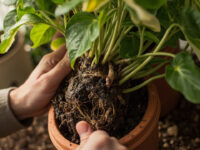
Confirm it: slide the plant out of its pot, or at least dig down two inches. Roots should be firm and pale to tan. Rot means brown, black, or mushy roots with a sour smell, and the leaf base may feel soft when you squeeze it.
Fix it by cutting away any mushy roots with a clean blade, letting the plant dry out for a day, and repotting into fresh, fast-draining soil (a cactus or succulent mix, or regular potting soil cut with perlite). Water only when the soil is fully dry at least two inches down, which for most snake plants is every two to four weeks depending on light and season.
If the rot has reached the rhizome, the fix changes entirely.
2. Too much direct sun
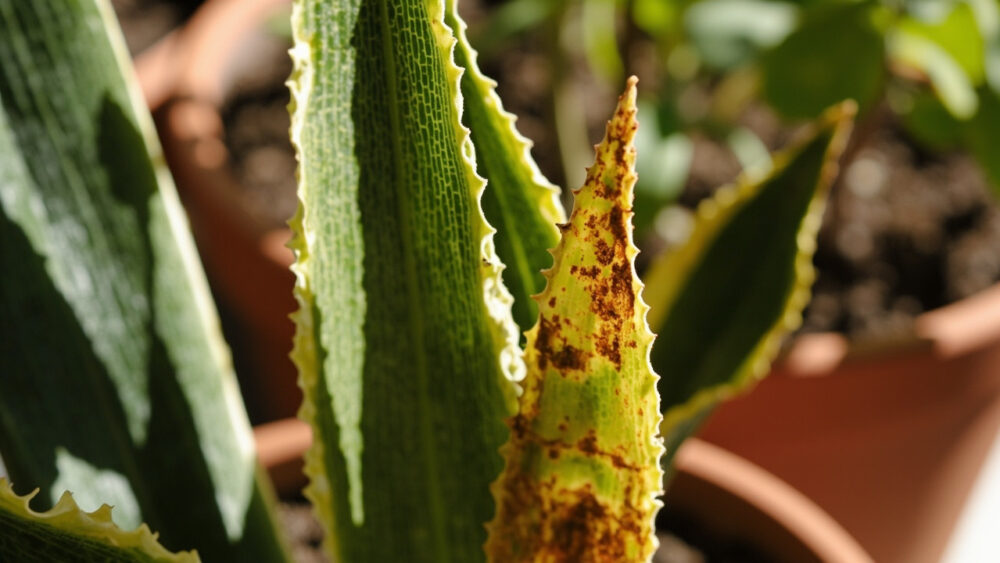
Confirm it: the yellowing shows up as bleached, papery patches on the side of the leaf facing a window, often with a slightly scorched or tan edge rather than a soft, even yellow.
This shows up fast after a plant gets moved to a brighter spot or a south or west window without any transition.
Move it back a few feet from direct glass, or add a sheer curtain between the plant and the window. Snake plants want bright indirect light or a few hours of gentle morning sun, not hours of intense afternoon rays through unfiltered glass.
Sun damage does not spread once you move the plant, which is a useful clue on its own.
3. Old age on the lowest leaves
Confirm it: only the oldest, outermost leaf or two is yellowing, starting at the tip and moving down slowly over weeks, while every other leaf looks completely normal.
This one is not a problem to fix. It is normal turnover. Let the leaf finish yellowing and pull it away at the base, or trim it off with clean shears.
If it stops at one leaf, you can stop worrying and skip straight to prevention.
4. Underwatering, less common than you’d think
Confirm it: leaves look yellow and also thin, wrinkled, or slightly curled inward, and the soil pulls away from the pot edge, bone dry more than an inch down for weeks.
Snake plants are drought-tolerant succulents storing water in thick leaves, so this takes serious neglect, often a plant forgotten for a month or more in a hot, dry room.
Water thoroughly until it runs from the drainage hole, then get on an actual schedule instead of a random one.
5. Cold damage or a cold draft
Confirm it: yellowing paired with a slightly translucent or water-soaked look, usually appearing on leaves nearest a drafty window, exterior door, or an AC vent, right after a cold snap or a chilly ride home from the nursery.
Snake plants dislike temperatures below about 50°F and hate cold drafts even more than cold rooms.
Move the plant away from the draft and trim off any leaf sections that have gone soft or translucent.
6. Too much fertilizer
Confirm it: yellowing starts at leaf tips and edges with a slightly crispy or burnt look, and you’ll often see a white or gray crust on the soil surface or pot rim.
Snake plants need very little feeding, roughly a light dose of balanced houseplant fertilizer once or twice during the growing season, so this is easy to overdo.
Flush the soil thoroughly with plain water until it drains freely several times, and skip fertilizer entirely for the next few months.
7. The wrong pot with no drainage
Confirm it: the pot has no drainage hole, or sits in a decorative sleeve holding water at the bottom that you can’t see from above.
This one hides in plain sight because everything looks fine until you actually lift the plant and feel a puddle underneath.
Repot into something with a real drainage hole, or at minimum drill one, and never let the plant sit in standing water.
Now that you’ve got a likely suspect, here is how to confirm it against the others.
How to Tell the Causes Apart
Location on the plant matters more than color intensity. Old age and underwatering hit the outer, oldest leaves first. Overwatering and rot often start at the base or the leaf tips can go while the base feels mushy. Sun scorch and cold damage show up on whichever leaves face the window or draft, regardless of age.
New leaf versus old leaf is the fastest sort. A brand new leaf emerging pale or yellow points to root rot severe enough to affect nutrient uptake, which is more serious than a single old leaf fading on schedule.
Texture is the tiebreaker every time. Soft and mushy means water and rot. Dry, crispy, or papery means sun, fertilizer burn, or underwatering. Translucent and water-soaked means cold.
Once you know which bucket you’re in, the next question is what happens to the plant from here.
Will It Recover?
A single old yellow leaf is not a recovery question at all, it is just the plant doing normal maintenance, and trimming it changes nothing about the plant’s health.
Sun scorch, cold damage, and fertilizer burn leave permanent marks on the leaves that already have them, but the plant itself recovers fully once conditions are corrected. New growth comes in clean.
Underwatering reverses well. A wrinkled, thirsty snake plant usually plumps back up within one to two weeks of consistent watering, and yellowing that hasn’t progressed too far can stall out and stay put while new leaves grow in normal.
Root rot is the honest exception. Caught early, with firm roots still outnumbering the rotten ones, a repot into dry soil saves the plant. Caught late, with the rhizome (the thick horizontal stem at soil level) turned soft and brown all the way through, there is often nothing left to save, and your best move is taking healthy leaf cuttings or firm rhizome sections to start over rather than nursing a dying plant for months.
That prognosis is exactly why prevention matters more with this plant than most.
How to Keep It From Happening Again
Water on a schedule tied to the soil, not the calendar. Check two inches down with a finger before every watering, and if it’s still damp, wait another week and check again.
Use a pot with a drainage hole every time, no exceptions, and empty any saucer or decorative sleeve after watering.
Keep the plant in bright indirect light rather than a few feet back from harsh direct sun, and keep it away from cold glass, exterior doors, and AC or heater vents.
Feed lightly, at most once or twice during spring and summer, and skip it entirely in fall and winter when growth slows.
Get all of that right and yellowing becomes rare enough that when it does show up, you’ll know immediately it’s just an old leaf retiring.
Diagnosis Checklist
- Check the leaf base and soil moisture: if soft, mushy, and wet, suspect overwatering or root rot and unpot to inspect roots today.
- Check which leaf is affected: if it’s only the single oldest, outermost leaf and everything else looks normal, treat it as natural aging and simply trim it.
- Check the texture: if dry, crispy, or papery rather than soft, suspect sun scorch, fertilizer burn, or underwatering rather than rot.
- Check the pattern on the leaf: if yellowing sits on one side facing a window with a scorched edge, confirm sun exposure and move the plant back from the glass.
- Check for a white or gray crust on the soil surface: if present alongside crispy tips, suspect fertilizer buildup and flush the soil.
- Check for translucent, water-soaked patches: if present near a window, door, or vent, suspect cold damage and relocate the plant.
- Check the pot: if there’s no drainage hole or water pooling under a decorative sleeve, fix drainage before doing anything else.
- Check a new leaf, if one is emerging: if it comes in pale or yellow, treat this as a serious root problem and inspect the rhizome immediately.
Run through those eight checks and you’ll almost always land on one clear answer instead of a guess.
Fix what the checklist points to, adjust the habit that caused it, and this plant will likely outlast the pot you’re keeping it in.