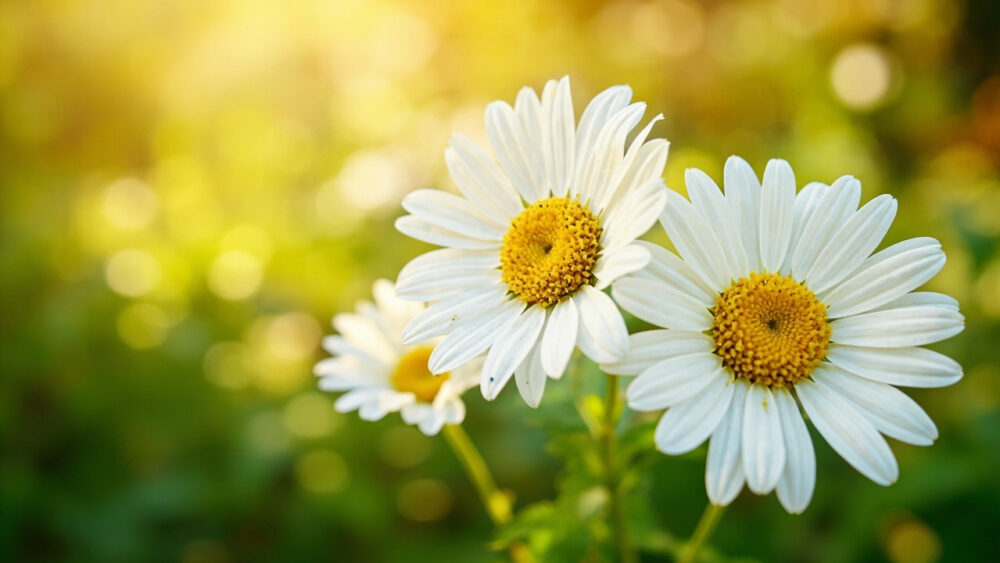
Shasta daisies bloom from early summer into late summer, roughly June through August in most climates, with a first flush that peaks for about four to six weeks. In warm regions with cool nights, or with a bit of deadheading, that window stretches well into September. If you’re standing in front of a plant right now wondering when do shasta daisies bloom and yours already has buds, you’re right on schedule.
But the calendar only gets you halfway there. Where you live, how old the clump is, and whether you cut spent flowers off all change the real answer for your yard.
There’s also a specific reason established plants sometimes go quiet by midsummer, and it isn’t the heat, it’s usually the clump itself. Stick around and I’ll also give you a save-able quick-reference card at the bottom with the bloom window, the aftercare that extends it, and the one fix that revives a tired patch.
The Actual Bloom Window, and Why It Shifts
In most of the country, shasta daisies start blooming in late spring to early summer, once nights are reliably staying above the mid-40s. That means late May in mild climates, June in colder zones, sometimes not until early July at higher elevations.
A single flush of blooms lasts about four to six weeks. After that, the show fades unless you intervene, which I’ll get to.
Zone matters more than the calendar date does. In zone 8 or 9, you might get a light rebloom into fall. In zone 4 or 5, one solid summer flush is the realistic expectation.
What actually pulls the trigger on that first bloom is worth understanding before you start troubleshooting.
What Controls the Timing
Shasta daisies are triggered mainly by day length and soil warmth, not by the calendar. Once soil temperatures climb into the 60s and days lengthen past a certain point, the plant shifts from leafy growth into bud formation.
That’s why the same variety blooms weeks apart in a warm coastal garden versus a high, cold inland one, even at similar latitudes.
Sun exposure matters just as much. A plant getting less than six hours of direct sun will bloom later, sparser, and often flop over reaching for light instead of standing upright and full.
Age of the clump plays in too. First-year plants from a nursery pot often bloom lighter than a two- or three-year-old established clump, which is normal, not a failure.
Once you know what’s driving the timing, you can actually push it in your favor.
How to Get More Blooms, or a Longer Show
Deadheading is the single biggest lever you have. Snip spent flowers off just below the flower head, down to the first set of leaves, as soon as the petals brown and droop. Left alone, the plant pours energy into seed production instead of new buds.
Do this consistently and a healthy clump will push out a second, lighter round of blooms three to five weeks later.
Feed lightly. A balanced fertilizer applied once in early spring, or a topdress of compost, is plenty. Heavy nitrogen gives you lush leaves and fewer flowers, which is the opposite of what you want.
Water matters more than most people expect. Shasta daisies want about an inch of water a week during the bloom window. Let them dry out repeatedly and buds abort before they open.
Divide clumps every two to three years in early spring or fall. Crowded roots bloom less, and division is also the fix for the problem in the next section.
If your plant still isn’t cooperating after all that, the cause is usually one of a short list.
Why Yours Might Not Be Blooming
If you assumed a non-blooming shasta daisy just needs more fertilizer, that guess is usually backwards. Overfeeding, especially with high-nitrogen lawn fertilizer drifting into the bed, is a common cause of all-leaf, no-flower plants.
The more likely culprits, in order:
- Not enough direct sun, under six hours a day
- An overcrowded, three-plus-year-old clump that needs dividing
- Too much nitrogen, from fertilizer or compost that’s rich in it
- A late, hard frost that knocked back early buds
- A first-year plant still establishing roots before it invests in flowers
Overcrowding is the one gardeners miss most, because the plant looks fine, just leafy and stubborn. Dig it up, split the root mass into fist-sized sections, and replant with 12 to 18 inches between divisions. You’ll usually see better blooming the following season.
Once flowering starts, a little aftercare decides how long you get to enjoy it.
Aftercare That Stretches the Bloom Season
Deadhead every few days during peak bloom, not just once at the end. It sounds tedious, but it’s five minutes with scissors that directly extends the show by weeks.
Cut the whole plant back by about a third after the first major flush fades, even before every flower is gone. This often triggers a second round rather than a trickle of stragglers.
Stop deadheading about three to four weeks before your first fall frost. Letting the last flowers set seed signals the plant to shift energy into root storage for winter.
Leave the foliage standing through winter in cold climates rather than cutting it to the ground in fall.
Now for the part you can screenshot and skip back to next season.
Shasta Daisies: Quick Reference
- Bloom window: late spring to late summer, roughly June through August, shifting a few weeks earlier or later by zone
- Single flush length: about four to six weeks per bloom cycle
- Rebloom potential: possible with regular deadheading, especially in zones 7 and warmer
- Sun needed: at least six hours of direct sun for full, upright blooming
- Water needed: about one inch per week during active bloom
- Division schedule: every two to three years, in early spring or fall, to keep flowering strong
- Top no-bloom causes: too much shade, an overcrowded clump, or excess nitrogen fertilizer
Get the sun, the water, and the deadheading right, and a shasta daisy clump will reward you with the same reliable summer show for years.
Skip the division for too long, and the plant will tell you by simply doing less each season.